The epidemiologic and economic impact of a quadrivalent human papillomavirus vaccine in Thailand

PLoS One
http://www.plosone.org/
[Accessed 13 Feb 2021]


The epidemiologic and economic impact of a quadrivalent human papillomavirus vaccine in Thailand
Wichai Termrungruanglert, Nipon Khemapech, Apichai Vasuratna, Piyalamporn Havanond, Preyanuch Deebukkham, Amit Sharad Kulkarni, Andrew Pavelyev
Research Article | published 11 Feb 2021 PLOS ONE
https://doi.org/10.1371/journal.pone.0245894

Determinants of vaccination dropout among children 12-23 months age in north Gondar zone, northwest Ethiopia, 2019

PLoS One
http://www.plosone.org/
[Accessed 13 Feb 2021]


Determinants of vaccination dropout among children 12-23 months age in north Gondar zone, northwest Ethiopia, 2019
Muluken Genetu Chanie, Gojjam Eshetie Ewunetie, Asnakew Molla, Amare Muche
Research Article | published 08 Feb 2021 PLOS ONE
https://doi.org/10.1371/journal.pone.0246018

Cell-phone traces reveal infection-associated behavioral change

PNAS – Proceedings of the National Academy of Sciences of the United States of America
February 09, 2021; vol. 118 no. 6
https://www.pnas.org/content/118/6


Population Biology
Open Access
Cell-phone traces reveal infection-associated behavioral change
Ymir Vigfusson, Thorgeir A. Karlsson, Derek Onken, Congzheng Song, Atli F. Einarsson, Nishant Kishore, Rebecca M. Mitchell, Ellen Brooks-Pollock, Gudrun Sigmundsdottir, and Leon Danon
PNAS February 9, 2021 118 (6) e2005241118; https://doi.org/10.1073/pnas.2005241118
Significance
Infectious disease control critically depends on surveillance and predictive modeling of outbreaks. We argue that routine mobile-phone use can provide a source of infectious disease information via the measurements of behavioral changes in call-detail records (CDRs) collected for billing. In anonymous CDR metadata linked with individual health information from the A(H1N1)pdm09 outbreak in Iceland, we observe that people moved significantly less and placed fewer, but longer, calls in the few days around diagnosis than normal. These results suggest that disease-transmission models should explicitly consider behavior changes during outbreaks and advance mobile-phone traces as a potential universal data source for such efforts.

Strengthen scientific integrity under the Biden administration

Science
12 February 2021 Vol 371, Issue 6530
http://www.sciencemag.org/current.dtl


Policy Forum
Strengthen scientific integrity under the Biden administration
By Jacob M. Carter, Gretchen T. Goldman, Andrew A. Rosenberg, Genna Reed, Anita Desikan, Taryn MacKinney
Science12 Feb 2021 : 668-671 Restricted Access
Accountability must extend to highest levels of leadership
Summary
At his victory speech on 7 November 2020, U.S. president Joseph R. Biden described that the will of the people was in part to “marshal the forces of science.” He declared that his plans to beat the novel coronavirus would be built on a bedrock of science. On 27 January, the Biden administration issued a presidential memorandum to strengthen scientific integrity and evidence-based decision-making (1). These are great steps to bring science back to the table, but the administration still has a lot of work ahead to improve the role of science in government decision-making. The records of abuses of the past 4 years and data from surveys provide evidence that under the Trump administration, scientists were censored, scientific information was ignored, and reports and publications were unduly suppressed—all actions that undermined the appropriate use of science in decision-making processes. This occurred despite many federal agencies already having scientific integrity policies, communications policies, and well-established science advisory systems in place to promote an appropriate role for science in agency decision-making. But from these setbacks, we can draw lessons and suggest a road map for moving forward.

Advancing innovation for vaccine manufacturers from developing countries: Prioritization, barriers, opportunities

Vaccine
Volume 39, Issue 8 Pages 1173-1358 (22 February 2021)
https://www.sciencedirect.com/journal/vaccine/vol/39/issue/8


Short communication Open access
Advancing innovation for vaccine manufacturers from developing countries: Prioritization, barriers, opportunities
Benoit Hayman, Alex Bowles, Beth Evans, Elizabeth Eyermann, … Sonia Pagliusi
Pages 1190-1194

Potential impact of COVID-19 pandemic on vaccination coverage in children: A case study of measles-containing vaccine administration in the United States (US)

Vaccine
Volume 39, Issue 8 Pages 1173-1358 (22 February 2021)
https://www.sciencedirect.com/journal/vaccine/vol/39/issue/8


Short communication Full text access
Potential impact of COVID-19 pandemic on vaccination coverage in children: A case study of measles-containing vaccine administration in the United States (US)
Cristina Carias, Manjiri Pawaskar, Mawuli Nyaku, James H. Conway, … Ya-Ting Chen
Pages 1201-1204

Economic analysis for national immunization program planning: A case of rotavirus vaccines in Burundi

Vaccine
Volume 39, Issue 8 Pages 1173-1358 (22 February 2021)
https://www.sciencedirect.com/journal/vaccine/vol/39/issue/8


Research article Abstract only
Economic analysis for national immunization program planning: A case of rotavirus vaccines in Burundi
Fulgence Niyibitegeka, Arthorn Riewpaiboon, Sitaporn Youngkong, Montarat Thavorncharoensap
Pages 1272-1282

A reactive vaccination campaign with single dose oral cholera vaccine (OCV) during a cholera outbreak in Cameroon

Vaccine
Volume 39, Issue 8 Pages 1173-1358 (22 February 2021)
https://www.sciencedirect.com/journal/vaccine/vol/39/issue/8


Research article Abstract only
A reactive vaccination campaign with single dose oral cholera vaccine (OCV) during a cholera outbreak in Cameroon
Adidja Amani, Collins A. Tatang, Christian N. Bayiha, Marcel Woung, … Emmanuel Epee Douba
Pages 1290-1296

Rotavirus Vaccination of Infants Delayed and Limited within the National Immunization Programme in the Netherlands: An Opportunity Lost

Vaccines — Open Access Journal
http://www.mdpi.com/journal/vaccines
(Accessed 13 Feb 2021)


Open Access Article
Rotavirus Vaccination of Infants Delayed and Limited within the National Immunization Programme in the Netherlands: An Opportunity Lost
by Florian Zeevat, Evgeni Dvortsin, Abrham Wondimu, Jan C. Wilschut, Cornelis Boersma and Maarten J. Postma
Vaccines 2021, 9(2), 144; https://doi.org/10.3390/vaccines9020144 (registering DOI) – 10 Feb 2021
Abstract
In this study, we estimated the benefits of rotavirus vaccination for infants had the rotavirus vaccine been introduced in the Netherlands as of its market authorization in 2006. An age-structured, deterministic cohort model was developed to simulate different birth cohorts over a period…

Media/Policy Watch

Media/Policy Watch
This watch section is intended to alert readers to substantive news, analysis and opinion from the general media and selected think tanks and similar organizations on vaccines, immunization, global public health and related themes. Media Watch is not intended to be exhaustive, but indicative of themes and issues CVEP is actively tracking. This section will grow from an initial base of newspapers, magazines and blog sources, and is segregated from Journal Watch above which scans the peer-reviewed journal ecology.
We acknowledge the Western/Northern bias in this initial selection of titles and invite suggestions for expanded coverage. We are conservative in our outlook in adding news sources which largely report on primary content we are already covering above. Many electronic media sources have tiered, fee-based subscription models for access. We will provide full-text where content is published without restriction, but most publications require registration and some subscription level.


The Atlantic
http://www.theatlantic.com/magazine/
Accessed 13 Feb 2021
Ideas
How to Beat the Pandemic by Summer
Averting a wave of new COVID-19 fatalities could require some dramatic, untested, and controversial strategies.
13 Feb 2021
Derek Thompson Staff writer at The Atlantic
After nearly a year of social isolation and sacrifice in the long war on COVID-19, the end stage of the pandemic is finally in sight. Millions of Americans are being vaccinated each week, and the number of coronavirus-related hospitalizations in the United States has plunged by more than 40 percent in the past month.
But this final stage will still be lethal—perhaps more so than most people imagine. More Americans were reported dead of COVID-19 on Friday, February 5, than on any day in all of 2020. The U.S. is still on pace to have more than 80,000 COVID-19 fatalities a month. Meanwhile, variants of the coronavirus that emerged in the United Kingdom, Brazil, and South Africa are spreading quickly. These variants are more contagious and more deadly than the original virus, and they threaten to stall or even reverse our progress.
“If we don’t accelerate the pace of vaccinations, we’re looking at an apocalypse,” says Peter Hotez, a vaccine scientist at Baylor College of Medicine. “We’ve got to figure out a way to get ahead of the variants to avoid 1 million deaths by the end of this year.”…

Health
What If We Never Reach Herd Immunity?
Hitting the threshold might actually be impossible. But vaccines can still help end the pandemic.
Sarah Zhang, February 9, 2021


BBC
http://www.bbc.co.uk/
Accessed 13 Feb 2021
HARDtalk
Kirill Dmitriev: Russia’s Sputnik V a vaccine for humankind?
Kirill Dmitriev, head of a ten billion dollar sovereign wealth fund which backed Sputnik V, on Russia’s willingness to share its vaccine in the global fight against Covid19
15 February 2021 :: Audio – 23 minutes

Covid: Oxford-AstraZeneca vaccine to be tested on children
13 Feb 2021
A new trial is to test how well the Oxford-AstraZeneca coronavirus vaccine works in children.
Some 300 volunteers will take part, with the first vaccinations in the trial taking place later in February.
Researchers will assess whether the jab produces a strong immune response in children aged between six and 17.
The vaccine is one of two being used to protect against serious illness and death from Covid in the UK, along with the Pfizer-BioNTech jab.
As many as 240 children will receive the vaccine – and the others a control meningitis jab – when the trial gets under way…


The Economist
http://www.economist.com/
Accessed 13 Feb 2021
Feb 13th 2021
How well will vaccines work?
Covid-19 may become endemic. Governments need to start thinking about how to cope
EVEN MIRACLES have their limits. Vaccines against the coronavirus have arrived sooner and worked better than many people dared hope. Without them, the pandemic threatened to take more than 150m lives. And yet, while the world rolls up a sleeve, it has become clear that expecting vaccines to see off covid-19 is mistaken. Instead the disease will circulate for years, and seems likely to become endemic.

Fear, uncertainty and doubt
Vaccine hesitancy is putting progress against covid-19 at risk
If the world is to tame the virus, the doubts will need to be fought

Vaccine efficacy
When covid-19 vaccines meet the new variants of the virus
A lot depends on blocking transmission not just disease


Financial Times
https://www.ft.com/
Accessed 13 Feb 2021
Covid-19 vaccines
Can Covax deliver the vaccines much of the world needs?
February 12, 2021

Coronavirus Business Update
Developing world struggles to get its share of Covid vaccines
February 12, 2021

Why the world needs a Covid-19 exit strategy
The public needs to know when, how and how quickly restrictions will be lifted
The editorial board
February 12, 2021
February is one of the busiest months of the year for travel bookings in the northern hemisphere. Families plan how they will spend their summer holidays and try to grab a bargain spot in the sun. Not this year, however. The uncertainty over how long coronavirus restrictions will remain in place means that while some have taken a risk and booked a break, most are sitting on the sidelines, unsure of what to do. This confusion is emblematic of the wider uncertainties that exist over the reopening of economies. Tired of severe curbs of civil liberties — which have lasted far longer than most anticipated — many people are asking when governments will finally set out a path for life to return to something like normal, how it will happen, and how fast.

This anxiety has only been heightened in recent weeks by signs that in some cases restrictions, instead of easing as lockdowns take effect, are in fact being toughened to guard against more infectious and possibly more deadly new mutations of the virus. In the UK, tough border controls will take effect from Monday for people arriving in the country, including jail terms for those offending. Germany is poised to reinstate border controls with some areas of Austria and the Czech Republic, while in Australia the state of Victoria has announced a snap five-day lockdown after an outbreak.

A global, well-funded vaccination campaign is the only way to end the pandemic for good. But despite relatively high inoculation rates in some countries, it is now clear that vaccinating enough people to achieve herd immunity will take much longer than hoped. Covax, the global initiative to distribute vaccines equitably, aims to deliver at least 2bn doses by the end of this year but that will not cover much more than a third of its target population. The new variants mean that some of the measures we have become accustomed to during lockdown will have to stay in place for some time. While some curbs on freedom will be accepted, others — bans on foreign travel and on seeing family and friends — cannot be tolerated indefinitely. A point will come where the public will rebel against restrictions that make life unbearably bleak. In the UK, scientific advisers are calling for a debate on the terms of allowing a “big wave of infection”.

The solution is for politicians to provide as much certainty as is possible. They must make it clear what will trigger the lifting of restrictions and what will not be possible in the short-to-medium term. In the UK, the government has so far produced little evidence of the costs and benefits of current restrictions. Priorities must be set, supported by appropriate economic and epidemiological modelling. Concern is rife over the impact of the lockdowns on young people and the loss of education. Reopening schools must therefore be a priority. Teachers will need to be vaccinated. Fast testing and accurate and quick contact tracing is critical. How to reboot travel must also be a consideration. For this to happen, vaccination passports would be essential, but with the aim of facilitating travel, not prohibiting travel. A recent policy document proposes that areas in Europe where the virus has been eliminated are declared green zones in which civil liberties are restored. These zones expand as more regions achieve elimination. Such an approach, while appealing, will require careful, global co-ordination.

The pandemic has severely damaged economies and societies. As far as is scientifically possible, the public deserves to know the route out of current restrictions. It is time for politicians to play their part and move from crisis response to forward planning.

Opinion Coronavirus pandemic
Another pandemic need never happen
Today’s technology is such that scientists can credibly make this claim for the first time in history
Richard Hatchett
The writer is chief executive of the Coalition for Epidemic Preparedness Innovations
… Humankind cannot prevent viruses from jumping the species barrier and on to humans. But with the right research and development investments, and a deliberate focus on eliminating barriers to rapid vaccine development, I believe we can eliminate the risk of a pandemic with the impact of Covid-19 from occurring again. It might cost tens of billions of dollars. But as a global insurance policy, that has got to be a bargain.

The Big Read Covid-19 vaccines
Vaccines vs variants: the race to immunise the developing world
The spread of new Covid strains has made it even more urgent to launch rapid vaccination programmes in poorer countries
David Pilling in London, Stephanie Findlay in New Delhi and Bryan Harris in São Paulo
February 11 2021

Opinion Coronavirus treatment
The west should pay attention to Russia and China’s vaccine diplomacy
Beijing and Moscow are using jabs to court poorer nations — but the EU and US are barely noticing Anne-Sylvaine Chassan
February 10 2021

Coronavirus pandemic
WHO dismisses coronavirus lab leak theory as ‘extremely unlikely’
Scientists visiting Chinese city of Wuhan conclude that bats were most plausible source of virus
Christian Shepherd in Beijing
February 9 2021

Top of Form
Bottom of Form


Forbes
http://www.forbes.com/
Accessed 13 Feb 2021
Editors’ Pick  |  
13 Feb 2021
Why Vaccine Passports Are ‘Inevitable,’ Explained By Tony Blair
The former British Prime Minister says they are the fastest way back to normal.
By Suzanne Rowan Kelleher Forbes Staff


Foreign Affairs
http://www.foreignaffairs.com/
Accessed 13 Feb 2021
[No new, unique, relevant content]


Foreign Policy
http://foreignpolicy.com/
Accessed 13 Feb 2021
Argument
Why Europe Is Falling Behind on Vaccines
It’s a perfect storm of under procurement, overzealous regulators, and anti-vaccine populations.
By Eyck Freymann, Elettra Ardissino
| February 8, 2021, 12:02 PM


The Guardian
http://www.guardiannews.com/
Accessed 13 Feb 2021
[No new, unique, relevant content]


New Yorker
http://www.newyorker.com/
Accessed 13 Feb 2021
Our Local Correspondents
Andrew Cuomo’s Refusal to Vaccinate Inmates Is Indefensible
A new lawsuit argues that withholding the COVID-19 vaccine from New York’s prisoners puts lives in danger, threatens public health, and endangers civil rights.
By Eric Lach 13 Feb 2021


New York Times
http://www.nytimes.com/
Accessed 13 Feb 2021
World
California extends vaccine eligibility to people with disabilities after backlash.
The state will extend Covid-19 vaccinations to people over 16 who are debilitated or immunocompromised by cancer and other diseases and chronic conditions.
By Shawn Hubler Feb 12

Europe
With the Economy on the Ropes, Hungary Goes All In on Mass Vaccination
Hungary became the first European Union country to administer Russia’s Sputnik vaccine, and will soon start with one from China — posing a challenge to the bloc’s joint vaccination strategy.
By Benjamin Novak Feb 12

U.S.
‘Open season’ for vaccine eligibility could come in April, Fauci says.
Dr. Anthony Fauci said most members of the general public could become eligible to get the vaccine in April, but it would take “several more months” after that to distribute shots.
By Jacey Fortin Feb 11

World
Vaccines are the new diplomatic currency, and other news from around the world.
By Mujib Mashal and Vivian Yee Feb 11


Washington Post
https://www.washingtonpost.com/
Accessed 13 Feb 2021
Lack of health services and transportation impede access to vaccine in communities of color
Akilah Johnson · Health · Feb 13, 2021

Brazil governors seek own vaccine supplies as stocks run low
Feb 13, 2021
SAO PAULO — Brazilian state governors are pursuing their own vaccine supply plans, with some expressing concern that President Jair Bolsonaro’s government won’t deliver the shots required to avoid interrupting immunization efforts.
Governors are under pressure from mayors, some of whose vaccine stocks have already been depleted, including three cities in the metropolitan area of Rio de Janeiro. Northeastern Bahia state’s capital Salvador suspended vaccination on Thursday because supplies are dwindling. Brazil’s two biggest cities, Rio and Sao Paulo, are expected to be without shots in a matter of days…

Biden says 300 million Americans can be vaccinated by July
National · Feb 11, 2021

Think Tanks et al

Think Tanks et al

Brookings
http://www.brookings.edu/
Accessed 13 Feb 2021
Up Front
Rich countries have a moral obligation to help poor countries get vaccines, but catastrophic scenarios are overrated
Dany Bahar
Thursday, February 11, 2021
 
 
News Release
Brookings and Tsinghua University host high-level roundtable on US-China collaboration on COVID-19 prevention and treatment
Wednesday, February 10, 2021
 
 
Center for Global Development [to 13 Feb 2021]
http://www.cgdev.org/page/press-center
Publication
A COVID Vaccine Certificate: Building on Lessons from Digital ID for the Digital Yellow Card
2/11/21
COVID-19 vaccination efforts are well and truly underway across the world. In addition to those in Europe and North America, vaccination campaigns are gathering pace across China, India, Russia, and the Middle East, though lagging in many other, mostly poor, countries. As more start scaling up their own programs and the number of vaccinated people increases over the coming year, a COVID Vaccine Certificate is likely to become an important tool to help monitor and manage the rollout of vaccinations and get national economies back on track.

February 10, 2021
Release COVID-19 Vaccine Contracts
Drugs created with billions in government support, bought almost exclusively by governments and international agencies are shrouded in secrecy: who is paying how much for delivery of what by when is a matter of guesswork and estimate.
Charles Kenny
 
 
Chatham House [to 13 Feb 2021]
https://www.chathamhouse.org/
Accessed 13 Feb 2021
Expert Comment 11 February 2021
Time to Clamp Down on Dangers of Vaccine Nationalism
Scientific breakthroughs are not enough, pharmaceutical companies and political leaders must ensure vital commodities reach everyone. But they are failing.
Robert Yates, Director, Global Health Programme; Executive Director, Centre for Universal Health


CSIS
https://www.csis.org/
Accessed 13 Feb 2021
Commentary
Build Back Better: Next Steps for Africa’s Response to Covid-19
February 12, 2021 | By Laird Treiber
 
 
On Demand Event
Online Event: A Global Approach to Covid-19 Vaccination
February 10, 2021


Council on Foreign Relations
http://www.cfr.org/
Accessed 13 Feb 2021
February 11, 2021
Cybersecurity
The Dysfunctional Vaccine Rollout Is Creating Even More Opportunities for Cybercriminals
It is time for authorities to partner with platforms for safer, more efficient scheduling and ensure that every appointment goes to someone who will use it.
Blog Post by Guest Blogger for Net Politics


Kaiser Family Foundation
https://www.kff.org/search/?post_type=press-release
Accessed 13 Feb 2021
February 12, 2021 News Release
Reasons Vary Why People Want to “Wait and See” Before Getting a COVID-19 Vaccine.
Nearly a third (31%) of the public says they want to “wait and see” how a COVID-19 vaccine works for others before they would get it, representing a critical group for efforts aimed at boosting vaccinations. The latest analysis from the KFF COVID-19 Vaccine Monitor highlights how attitudes differ by…

February 8, 2021 News Release
At This Early Stage of the COVID-19 Vaccine Roll-Out, Most Older Adults Have Not Yet Been Vaccinated As Supply Remains Limited
With the COVID-19 vaccination rollout still in its early stages, a KFF analysis finds that most older adults have not yet been vaccinated against the potentially deadly virus, as vaccine supplies remain limited and most states have only recently begun to make people 65 and older eligible. Since January 12,…

February 8, 2021 News Release
In Their Own Words: What People are Saying about Getting a COVID-19 Vaccine
As the country broadens COVID-19 vaccine distribution efforts, the latest research from the KFF COVID-19 Vaccine Monitor finds that side effects, including allergic reactions and long-term consequences, are the public’s top concern about getting vaccinated when asked to describe what worries them in their own words. The latest report from…
 
 
World Economic Forum [to 13 Feb 2021]
https://agenda.weforum.org/news/
Media
[No new relevant content]

Vaccines and Global Health: The Week in Review :: 6 February 2021

Vaccines and Global Health: The Week in Review is a weekly digest  summarizing news, events, announcements, peer-reviewed articles and research in the global vaccine ethics and policy space. Content is aggregated from key governmental, NGO, international organization and industry sources, key peer-reviewed journals, and other media channels. This summary proceeds from the broad base of themes and issues monitored by the Center for Vaccine Ethics & Policy in its work: it is not intended to be exhaustive in its coverage. You are viewing the blog version of our weekly digest, typically comprised of between 30 and 40 posts below all dated with the current issue date

.– Request an Email Summary: Vaccines and Global Health : The Week in Review is published as a single email summary, scheduled for release each Saturday evening before midnight (EDT in the U.S.). If you would like to receive the email version, please send your request to david.r.curry@centerforvaccineethicsandpolicy.org.

– pdf version A pdf of the current issue is available here: 

– blog edition: comprised of the approx. 35+ entries posted below.

– Twitter:  Readers can also follow developments on twitter: @vaxethicspolicy.
.
– Links:  We endeavor to test each link as we incorporate it into any post, but recognize that some links may become “stale” as publications and websites reorganize content over time. We apologize in advance for any links that may not be operative. We believe the contextual information in a given post should allow retrieval, but please contact us as above for assistance if necessary.

Support this knowledge-sharing service: Your financial support helps us cover our costs and to address a current shortfall in our annual operating budget. Click here to donate and thank you in advance for your contribution.

.
David R. Curry, MS
Executive Director
Center for Vaccine Ethics and Policy

Coronavirus [COVID-19] – WHO

Milestones :: Perspectives :: Research


Coronavirus [COVID-19] – WHO
Public Health Emergency of International Concern (PHEIC)
https://www.who.int/emergencies/diseases/novel-coronavirus-2019


Weekly Epidemiological and Operational updates
Last update: 23 January 2021
Confirmed cases :: 104 956 439 [week ago: 101 561 219] [two weeks ago: 96 877 399]
Confirmed deaths :: 2 290 488 [week ago: 2 196 9440 [two weeks ago: 2 098 879]
Countries, areas or territories with cases :: 223


Weekly epidemiological update – 2 February 2021
Overview
Globally, just under 3.7 million new cases were reported in the past week, a decline of 13% from last week, and the number of new deaths reported was over 96 000, comparable to the previous week. This brings the cumulative numbers to over 102.1 million reported cases and over 2.2 million deaths globally since the start of the pandemic.
In this edition of the COVID-19 Weekly Epidemiological Update, special focus updates are provided on: COVID-19 and health workers, as well as on SARS-CoV-2 variants of concern.


Weekly operational update on COVID-19 – 1 February 2021
Key Figures
:: WHO-led UN Crisis-Management Team coordinating 23 UN entities across nine areas of work
:: 145 GOARN deployments conducted to support COVID-19 pandemic response
:: 8 540 231 face shields shipped globally
:: 6 713 379 gowns shipped globally
:: 35 821 900 gloves shipped globally
:: 197 343 426 medical masks shipped globally
:: 19 948 965 respirators shipped globally
:: More than 2.5 million people registered on OpenWHO and able to access 25 topical courses in 44 languages


::::::

Extraordinary meeting of the Strategic Advisory Group of Experts on Immunization (SAGE) – 8 February 2021
8 February 2021
This extraordinary virtual meeting for the Strategic Advisory Group of Experts on Immunization (SAGE) is scheduled on Monday 8 February 2021 to propose recommendations to WHO on the use of COVID-19 vaccine(s). [AstraZeneca COVID-19 vaccine – AZD1222]

Coronavirus (COVID-19) Vaccinations

Milestones :: Perspectives :: Research


Our World in Data
Coronavirus (COVID-19) Vaccinations
Our World in Data and the SDG-Tracker are collaborative efforts between researchers at the University of Oxford, who are the scientific editors of the website content; and the non-profit organization Global Change Data Lab, who publishes and maintains the website and the data tools that make our work possible. At the University of Oxford we are based at the Oxford Martin Programme on Global Development.
Research and data: Hannah Ritchie, Esteban Ortiz-Ospina, Diana Beltekian, Edouard Mathieu, Joe Hasell, Bobbie Macdonald, Charlie Giattino, and Max Roser
Web development: Breck Yunits, Ernst van Woerden, Daniel Gavrilov, Matthieu Bergel, Shahid Ahmad, Jason Crawford, and Marcel Gerber

COVAX

Milestones :: Perspectives :: Research


COVAX

COVAX publishes first interim distribution forecast
Geneva/Oslo/New York, 3 February 2021 – The Coalition for Epidemic Preparedness Innovations (CEPI), Gavi, the Vaccine Alliance and the World Health Organisation, as co-leads of the COVAX initiative for equitable global access to COVID-19 vaccines, alongside key delivery partner UNICEF, are pleased to publish COVAX’s first interim distribution forecast.

Building on the publication of the 2021 COVAX global and regional supply forecast, the interim distribution forecast provides information on early projected availability of doses of the Pfizer/BioNTech vaccine in Q1 2021 and the AstraZeneca/Oxford vaccine candidate in first half 2021 to COVAX Facility participants. This announcement comes less than two weeks after the announcement of the signed advance purchase agreement with Pfizer/BioNTech and a little more than a month after the first COVID-19 vaccine received WHO Emergency Use Listing (EUL) approval.

The purpose of sharing the interim distribution with countries, even in today’s highly dynamic global supply environment, is to provide governments and health systems with the information they need to plan for their national vaccination programmes. Final allocations will be published in due course.

The interim distribution forecast outlines projected delivery of vaccine doses to all Facility participants, with the exception of participants who have either exercised their rights to opt-out, have not submitted vaccine requests, or have not yet been allocated doses.

THE COVAX FACILITY: INTERIM DISTRIBUTION FORECAST– latest as of 3 February2021
Classified as Internal
[Excerpts]
INTRODUCTION
In line with initial guidance delivered on 22 January, and building on the publication of the 2021 COVAX global and regional supply forecast, the COVAX Facility is pleased to share the following forecast on early availability of doses of the Pfizer-BioNTech vaccine and the AstraZeneca/Oxford vaccine to Facility participants, subject the caveats listed below.

This document contains information on indicative distribution of 240 million doses of the AstraZeneca/Oxford vaccine, licensed to Serum Institute of India (SII) –hereinafter “AZ/SII” and 96 million doses of the AstraZeneca/Oxford vaccine, under the advance purchase agreement between Gavi, the Vaccine Alliance and AstraZeneca –hereinafter “AZ”, for Q1& Q2 2021.

It also contains an overview of exceptional first round allocation of1.2 million doses of the WHO Emergency Use Listing (EUL)-approved Pfizer-BioNTech vaccine – hereinafter “Pfizer-BioNTech”, for Q1 2021.

It is important to note additional doses of both these products will be available to the COVAX Facility in 2021…

PFIZER-BIONTECH VACCINE: EXCEPTIONAL FIRST ROUND DISTRIBUTION, Q1 2021
Overview of the Process
COVAX currently anticipates 1.2 million doses of the Pfizer-BioNTech vaccine will be available to the COVAX Facility in Q1 2021, subject to the completion of additional agreements, and will be complemented by the larger volumes of the AstraZeneca/Oxford vaccine available to the Facility during the same time period. Additional volumes of doses of the Pfizer-BioNTech vaccine will be available in the second quarter and beyond, per the signed advance purchase agreement between Gavi and Pfizer-BioNTech for up to 40 million doses.

As a result, an exceptional process of distribution was undertaken to ensure maximum public health benefit from the smaller volume of doses of the Pfizer-BioNTech vaccine anticipated to be available for Q1delivery.All future allocation rounds will follow the standard Facility approach…

OVERVIEW BY FACILITY PARTICIPANT
Total doses cover, on average, 3.3% of the total population of the 145 participants receiving doses from at least one manufacturer in the list detailed below. This is in line with the Facility target to reach at least 3% population coverage in all countries in the first half of the year, enough to protect the most vulnerable groups such as health care workers.

Participants that do not appear in the list below have either exercised their rights to opt-out, have not submitted vaccine requests, or have not yet been allocated doses…


Editor’s Note:
The Distribution Forecast’s discussion of the Pfizer-BioNTech and AstraZeneca/Oxford vaccines, additional “Notes of clarification,” and a country-by-country allocation listing are available here.


::::::

UNICEF Executive Director Henrietta Fore’s remarks at briefing on COVAX publishing interim distribution forecast
Statement – As delivered
NEW YORK, 3 February 2021 – “UNICEF is proud to be part of today’s release of an indicative distribution plan by the COVAX facility.

“This release will help countries continue their preparations for vaccine distribution by providing them with details of the type of vaccine each country will receive in the first and second quarters.

“This is, of course, just an initial tranche of COVAX vaccines. More will follow. We will continue to work on the supply agreements to meet the needs of the COVAX vaccine requirements for the first half of 2021.

“And we have some good news in that regard. Today we are pleased to announce the conclusion of a long-term supply agreement with the Serum Institute of India for covid-19 vaccines, to access two vaccine products through technology transfer from ASTRAZENECA and NOVAVAX. UNICEF, along with our procurement partners including PAHO, will have access to up to 1.1 billion doses of vaccines for around 100 countries, for approximately $3 a dose for the low- and lower middle-income countries.

This is great value for COVAX donors and a strong demonstration of one of the fundamental principles of COVAX – that by pooling our resources we can negotiate in bulk for the best possible deals.  Sharing pricing information is also a reflection to UNICEF’s commitment to transparency, which we have been demonstrating for the past ten years by publishing all negotiated prices for a range of commodities. As these supply agreements are concluded, we will continue to make public relevant details of the agreements, subject to the consent of the suppliers. Likewise, we look forward to working with SII to distribute these vaccines to countries, subject to the approval of the vaccine by WHO.

“With these indicative allocations, governments and public health experts can now initiate the steps needed for a successful initial roll-out of COVID vaccines to frontline healthcare workers—the first part of the largest vaccine procurement and supply operation ever mounted.

“For our part, UNICEF stands ready to fully support the roll-out of the first batch of COVID-19 vaccines as the drive against this deadly virus shifts into a higher gear. Our country offices will support governments as they move forward with this first wave to ensure that they are ready to receive the vaccines that require ultra cold chain. This includes ensuring that health workers are fully trained in how to store and handle the vaccines. We must get this right. Many of these doses will go to health workers in urban areas, who are at the highest risk of exposure to COVID-19 infections…

Over recent months, UNICEF has also been preparing for this moment by stockpiling half a billion syringes, along with safety boxes to dispose them. We have worked closely with airlines and other partners to make sure that all the necessary logistical and planning arrangements are in place. And we are supporting governments and partners in developing national plans to assess their logistics. This includes helping to plan, coordinate, budget, and prepare their health facilities and cold chain ahead of vaccine delivery. Along with WHO and Gavi, we are also advising countries to help improve their vaccine roll-out plans, every step of the way.

“Today’s release of these plans represents an important next step. For the countries receiving initial tranches of vaccines, preparatory work can now pivot to implementation and delivery. “For countries which have already initiated vaccination drives, and those yet to begin, this information is a hopeful marker on the winding path out of a pandemic that will not be truly over, until it is over for us all.”

COVID-19: Warning of “deadly consequences” of vaccine inequality, IFRC launches plan to help vaccinate 500 million people

Milestones :: Perspectives :: Research


COVID-19: Warning of “deadly consequences” of vaccine inequality, IFRC launches plan to help vaccinate 500 million people
Geneva, 4 February 2021 – The overwhelming majority of COVID-19 vaccine doses administered so far have been delivered in high-income countries, according to analysis by the International Federation of Red Cross and Red Crescent Societies (IFRC).

Nearly 70 per cent of vaccine doses administered so far have occurred in the world’s 50 wealthiest countries. In contrast, only 0.1 per cent of vaccine doses have been administered in the 50 poorest countries. The IFRC is warning that this inequality is alarming and could potentially backfire to deadly and devastating effect.

Mr Jagan Chapagain, Secretary General of the IFRC, said: “This is alarming because it is unfair, and because it could prolong or even worsen this terrible pandemic. Let me be clear: In the race to end this pandemic, we are all rowing the same boat. We cannot sacrifice those at highest risk in some countries so that those at lowest risk can be vaccinated in others.

“The equitable distribution of COVID-19 vaccines between and within countries is more than a moral imperative: It is the only way to solve the most pressing public health emergency of our time. Without equal distribution, even those who are vaccinated will not be safe.”


The IFRC is warning that, if large pockets of the globe remain unvaccinated, the COVID-19 virus will continue to circulate and mutate. This may lead to the emergence of variants that do not respond to vaccines, allowing the virus to infect people that may have already been vaccinated.

In a bid to support equitable vaccine distribution, the IFRC has announced today a new, 100 million Swiss franc plan that aims to support the immunization of 500 million people against COVID-19.

Under the plan, Red Cross and Red Crescent Societies will support national vaccination efforts in a range of areas and across the planning and implementation phases. This will include efforts to build trust in vaccines and to counteract misinformation about their efficacy – an intervention that is increasingly important as vaccine hesitancy rates climb around the world.

Red Cross and Red Crescent volunteers will also seek out communities and individuals that are economically, socially or geographically isolated to ensure their involvement in vaccine efforts. And trained personnel will, in many countries be responsible for the physical delivery of vaccines to at-risk and vulnerable groups.


Already, 66 National Red Cross and Red Crescent Societies are or will be involved in vaccine campaigns, with dozens more in discussions with their governments…

The IFRC’s vaccination plan – which is part of its overall COVID-19 response effort – is available on the IFRC website.

Risk of Instability, Tension Growing, amid Glaring Inequalities in Global COVID-19 Recovery, Top United Nations Officials Warn Security Council

Milestones :: Perspectives :: Research


COVID – Global Impact


Risk of Instability, Tension Growing, amid Glaring Inequalities in Global COVID-19 Recovery, Top United Nations Officials Warn Security Council
25 January 2021 SC/14422
The sweeping and devastating effects of the COVID-19 pandemic are continuing to grow, and so too are the risks of instability and tension amidst glaring inequalities in the global recovery, senior United Nations officials warned today during a Security Council videoconference on the impact of the coronavirus outbreak on international peace and security.

The meeting focused on the implementation of resolution 2532 (2020), adopted on 1 July 2020, in which the Council expressed its support for the Secretary-General’s appeal, made 100 days earlier, for a global ceasefire to help unite efforts to fight COVID-19 in the world’s most vulnerable countries.  Through that text, the 15-member organ also called for an immediate 90-day humanitarian pause to enable the safe, unhindered and sustained delivery of life-saving assistance.

Rosemary DiCarlo, Under-Secretary-General for Political and Peacebuilding Affairs, said that the pandemic’s impact on peace and security has intensified — exacerbating inequality and corruption; breeding misinformation, stigmatization and hate speech; and creating new flashpoints for tension and increased risks of instability.  It is hindering diplomatic action and complicated peacemaking efforts, without for the most part affecting the underlying dynamics of armed conflicts.  The impact on women, youth and other marginalized groups is particularly alarming, she said.

In some instances, the Secretary-General’s call for a global cessation of hostilities has given new momentum to faltering peace processes, she said, pointing to ceasefires in Libya and Ukraine, ongoing Afghanistan peace negotiations and the start of a disarmament process among insurgent groups in Mozambique.  Other places, however, have witnessed a dangerous escalation of tension, including large-scale fighting in Nagorno-Karabakh.  Without exception, United Nations missions and the Secretary-General’s special representatives and special envoys have adjusted to the changing reality, embracing new tools such as digital focus groups.  At the same time, since the onset of the pandemic, the United Nations has supported 19 elections and one referendum in 18 countries.


Looking ahead, she warned that as the pandemic’s impact grows, so too will the risk of tensions and instability, magnified by inequalities in the global recovery.  As rich countries get vaccinated, the developing world — including countries already trapped in conflict and instability — risks being left behind, dealing a severe blow to peace and security.

“One thing is clear:  The pandemic has served as a political stress test as much as a structural and public health one,” she said.  It has laid how acute crisis can become an opportunity to gain advantage on the battlefield or as a pretext to perpetuate oppression — but it has also confirmed that almost no barrier is insurmountable when there is real political will, supported by the global community, to make and sustain peace.  Going forward, the collective and individual engagement of Council members will remain crucial, she said, adding that “recovering better” in the wake of the pandemic will require more political and financial investment in conflict prevention…

COVID Vaccine Developer Announcements

Milestones :: Perspectives :: Research


COVID Vaccine Developer Announcements

Sinovac Announces Phase III Results of Its COVID-19 Vaccine
February 05, 2021
BEIJING–(BUSINESS WIRE)–Sinovac Biotech Ltd. (NASDAQ: SVA) (“Sinovac” or the “Company”), a leading provider of biopharmaceutical products in China, today announced phase III results. Sinovac had started its phase III trials on CoronaVac, its COVID-19 vaccine, on July 21, 2020. Trials were conducted in Brazil, Turkey, Indonesia, and Chile. In compliance with the principles of Good Clinical Practice (GCP), the trials were conducted with the vaccine candidate produced from the same lot and following the 0, 14 day schedule. There have been a total of 25,000 participants enrolled in the trial across those four countries…

Johnson & Johnson Announces Submission of Application to the U.S. FDA for Emergency Use Authorization of its Investigational Single-Shot Janssen COVID-19 Vaccine Candidate
Feb 04, 2021, 17:35 ET
Johnson & Johnson intends to distribute vaccine to the U.S. government immediately following authorization, and expects to supply 100 million doses to the U.S. in the first half of 2021

Sinovac Files for Conditional Market Authorization of COVID-19 Vaccine in China
February 03, 2021
BEIJING–(BUSINESS WIRE)–Sinovac Biotech Ltd. (NASDAQ: SVA) (“Sinovac” or the “Company”), a leading provider of biopharmaceutical products in China, today announced that it has officially filed for conditional market authorization for CoronaVac, the COVID-19 vaccine, with China’s National Medical Products Administration (NMPA). The vaccine candidate was tested in phase III clinical studies outside of China. The preliminary results of the trials demonstrated a good safety profile for the vaccine. Fourteen days after a two-dose vaccination, the efficacy rate meets the standards of the World Health Organization (or WHO) and the guiding principles for Clinical Evaluation on Preventive COVID-19 Vaccine (tentative) issued by the NMPA…

Singapore Health Sciences Authority (HSA) Approves Interim Authorization of COVID-19 Vaccine Moderna For Use
February 03, 2021
CAMBRIDGE, Mass.–(BUSINESS WIRE)–Moderna, Inc. (Nasdaq: MRNA), a biotechnology company pioneering messenger RNA (mRNA) therapeutics and vaccines, today announced that the Singapore Health Sciences Authority (HSA) has approved the interim authorization of its mRNA vaccine against COVID-19 (COVID-19 Vaccine Moderna) for use under the Pandemic Special Access Route (PSAR).

U.S.: COVID-19 Vaccines – Announcements/Regulatory Actions/Deployment

U.S.: COVID-19 Vaccines – Announcements/Regulatory Actions/Deployment

CDC
Coronavirus Disease 2019 (COVID-19) – CDC
:: Overall US COVID-19 Vaccine Distribution and Administration Update as of Fri, 05 Feb 2021 06:00:00 EST


FDA
Coronavirus (COVID-19) Update: FDA Announces Advisory Committee Meeting to Discuss Janssen Biotech Inc.’s COVID-19 Vaccine Candidate
02/04/2021
The FDA has scheduled a meeting of its Vaccines and Related Biological Products Advisory Committee (VRBPAC) on Feb. 26, 2021, to discuss the request for emergency use authorization (EUA) for a COVID-19 vaccine from Janssen Biotech Inc.


White House [U.S.]
Press Briefing by White House COVID-19 Response Team and Public Health Officials
February 03, 2021 • Press Briefings – NIH, CDC

FACT SHEET: President Biden Announces Increased Vaccine Supply, Initial Launch of the Federal Retail Pharmacy Program, and Expansion of FEMA Reimbursement to States
February 02, 2021 • Statements and Releases
Expanding Vaccine Supply: Building on last week’s announcement, the Biden-Harris Administration will increase overall, weekly vaccine supply to states, Tribes, and territories to 10.5 million doses nationwide beginning this week. This is a 22% increase since taking office on January 20. The Administration is committing to maintaining this as the minimum supply level for the next three weeks, and we will continue to work with manufacturers in their efforts to ramp up supply.
Launching First Phase of the Federal Retail Pharmacy Program for COVID-19 Vaccination: As part of the Biden-Harris Administration’s efforts to increase access to COVID-19 vaccines, starting on February 11, those eligible for the vaccine will have the opportunity to be vaccinated at select pharmacies across the country through the Federal Retail Pharmacy Program for COVID-19 Vaccination. This program is a public-private partnership with 21 national pharmacy partners and networks of independent pharmacies representing over 40,000 pharmacy locations nationwide (listed below). It is a key component of the Administration’s National Strategy to expand equitable access to vaccines for the American public…

Europe: COVID-19 Vaccines – Announcements/Regulatory Actions/Deployment

Europe: COVID-19 Vaccines – Announcements/Regulatory Actions/Deployment


European Medicines Agency
News: EMA starts rolling review of Novavax’s COVID-19 vaccine (NVX-CoV2373)
Last updated: 03/02/2021
EMA’s human medicines committee (CHMP) has started a rolling review of NVX-CoV2373, a COVID19 vaccine being developed by Novavax CZ AS (a subsidiary of Novavax, Inc.).
The CHMP’s decision to start the rolling review is based on preliminary results from laboratory studies (non-clinical data) and early clinical studies in adults. These studies suggest that the vaccine triggers the production of antibodies and immune cells that target SARS-CoV-2, the virus that causes COVID19.
The company is currently conducting trials in people to assess its safety, immunogenicity (how well it triggers a response against the virus) and its effectiveness against COVID-19. EMA will evaluate data from these and other clinical trials as they become available.
The rolling review will continue until enough evidence is available for a formal marketing authorisation application


News: EMA recommends COVID-19 Vaccine AstraZeneca for authorisation in the EU (updated)
Last updated: 29/01/2021
Update: COVID-19 Vaccine AstraZeneca is now authorised across the EU. This follows the granting of a conditional marketing authorisation by the European Commission on 29 January 2021.

Russia: Sputnik V – “the first registered COVID-19 vaccine”

Russia: COVID-19 Vaccines – Announcements/Regulatory Actions/Deployment


Russia: Sputnik V – “the first registered COVID-19 vaccine”
https://sputnikvaccine.com/newsroom/pressreleases/
Press Releases
Sputnik V authorized in Myanmar
Press release, 06.02.2021
…The vaccine was approved under the emergency use authorization procedure without additional clinical trials in the country…

Sputnik V authorized in Lebanon
Press release, 05.02.2021
…The vaccine was approved under the emergency use authorization procedure without additional clinical trials in the country…

Ministry of Health of Nicaragua has authorized the use of Sputnik V
Press release, 03.02.2021
…The vaccine was approved under the emergency use authorization procedure without additional clinical trials in the country…

Mexico becomes the first country of North America to register Sputnik V vaccine
Press release, 03.02.2021
…The vaccine was approved under the emergency use authorization procedure without additional clinical trials in the country…

A vaccine for all mankind: Sputnik V’s efficacy in fighting COVID-19 is validated by internationally peer reviewed data published in The Lancet
Press release, 02.02.2021
…:: Sputnik V is already registered in 16 countries: Russia, Belarus, Serbia, Argentina, Bolivia, Algeria, Palestine, Venezuela, Paraguay, Turkmenistan, Hungary, UAE, Iran, Republic of Guinea, Tunisia and Armenia.
:: In the first week of February, vaccination with Sputnik V will start in the following 12 countries: Bolivia, Kazakhstan, Turkmenistan, Palestine, UAE, Paraguay, Hungary, Armenia, Algeria, Bosnian Serb Republic, Venezuela and Iran.
:: In 10 countries out of 12, Sputnik V will be the first coronavirus vaccine approved for civil circulation.
[See referenced article and Comment from The Lancet below]

Sputnik V vaccine authorized in Armenia
Press release, 01.02.2021 16:00:00
…The vaccine was approved by a Decree of the Ministry of Health based on data of Phase III clinical trials in Russia without conducting additional trials in Armenia…

Safety and efficacy of an rAd26 and rAd5 vector-based heterologous prime-boost COVID-19 vaccine: an interim analysis of a randomised controlled phase 3 trial in Russia

The Lancet
Articles Online First
Safety and efficacy of an rAd26 and rAd5 vector-based heterologous prime-boost COVID-19 vaccine: an interim analysis of a randomised controlled phase 3 trial in Russia
Denis Y Logunov, Inna V Dolzhikova, Dmitry V Shcheblyakov, Amir I Tukhvatulin, Olga V Zubkova,
Alina S Dzharullaeva, et al. and the Gam-COVID-Vac Vaccine Trial Group
Published: February 02, 2021 DOI: https://doi.org/10.1016/S0140-6736(21)00234-8
Summary
Background
A heterologous recombinant adenovirus (rAd)-based vaccine, Gam-COVID-Vac (Sputnik V), showed a good safety profile and induced strong humoral and cellular immune responses in participants in phase 1/2 clinical trials. Here, we report preliminary results on the efficacy and safety of Gam-COVID-Vac from the interim analysis of this phase 3 trial.
Methods
We did a randomised, double-blind, placebo-controlled, phase 3 trial at 25 hospitals and polyclinics in Moscow, Russia. We included participants aged at least 18 years, with negative SARS-CoV-2 PCR and IgG and IgM tests, no infectious diseases in the 14 days before enrolment, and no other vaccinations in the 30 days before enrolment. Participants were randomly assigned (3:1) to receive vaccine or placebo, with stratification by age group. Investigators, participants, and all study staff were masked to group assignment. The vaccine was administered (0·5 mL/dose) intramuscularly in a prime-boost regimen: a 21-day interval between the first dose (rAd26) and the second dose (rAd5), both vectors carrying the gene for the full-length SARS-CoV-2 glycoprotein S. The primary outcome was the proportion of participants with PCR-confirmed COVID-19 from day 21 after receiving the first dose. All analyses excluded participants with protocol violations: the primary outcome was assessed in participants who had received two doses of vaccine or placebo, serious adverse events were assessed in all participants who had received at least one dose at the time of database lock, and rare adverse events were assessed in all participants who had received two doses and for whom all available data were verified in the case report form at the time of database lock. The trial is registered at ClinicalTrials.gov (NCT04530396).
Findings
Between Sept 7 and Nov 24, 2020, 21 977 adults were randomly assigned to the vaccine group (n=16 501) or the placebo group (n=5476). 19 866 received two doses of vaccine or placebo and were included in the primary outcome analysis. From 21 days after the first dose of vaccine (the day of dose 2), 16 (0·1%) of 14 964 participants in the vaccine group and 62 (1·3%) of 4902 in the placebo group were confirmed to have COVID-19; vaccine efficacy was 91·6% (95% CI 85·6–95·2). Most reported adverse events were grade 1 (7485 [94·0%] of 7966 total events). 45 (0·3%) of 16 427 participants in the vaccine group and 23 (0·4%) of 5435 participants in the placebo group had serious adverse events; none were considered associated with vaccination, with confirmation from the independent data monitoring committee. Four deaths were reported during the study (three [<0·1%] of 16 427 participants in the vaccine group and one [<0·1%] of 5435 participants in the placebo group), none of which were considered related to the vaccine. Interpretation
This interim analysis of the phase 3 trial of Gam-COVID-Vac showed 91·6% efficacy against COVID-19 and was well tolerated in a large cohort.
Moscow City Health Department, Russian Direct Investment Fund, Sberbank, and RUSAL.

Comment | Online First
Sputnik V COVID-19 vaccine candidate appears safe and effective
Ian Jones, Polly Roy 1
Published: February 02, 2021 DOI: https://doi.org/10.1016/S0140-6736(21)00191-4
Denis Logunov and colleagues report their interim results from a phase 3 trial of the Sputnik V COVID-19 vaccine in The Lancet. The trial results show a consistent strong protective effect across all participant age groups. Also known as Gam-COVID-Vac, the vaccine uses a heterologous recombinant adenovirus approach using adenovirus 26 (Ad26) and adenovirus 5 (Ad5) as vectors for the expression of the severe acute respiratory syndrome coronavirus 2 (SARS-CoV-2) spike protein. The use of two varying serotypes, which are given 21 days apart, is intended to overcome any pre-existing adenovirus immunity in the population.2 Among the major COVID vaccines in development to date, only Gam-COVID-Vac uses this approach; others, such as the Oxford–AstraZeneca vaccine, use the same material for both doses. The earlier vaccine for Ebola virus disease, also developed at Gamaleya National Research Centre for Epidemiology and Microbiology (Moscow, Russia), was similar, with Ad5 and vesicular stomatitis virus as the carrier viruses,3 and the general principle of prime boost with two different vectors has been widely used experimentally.4

The recombinant adenovirus route to protection is shared with the Oxford–AstraZeneca vaccine, which uses a chimpanzee adenovirus (ChAdOx),5 the Johnson & Johnson vaccine that uses only Ad266 whose detailed results are expected soon, and the CanSinoBIO-Beijing Institute of Biotechnology Ad5-based vaccine whose phase 3 trial began in September, 2020.7 The carrier viruses are modified and cannot initiate a productive infection; they enter cells, express the spike protein, and then stop (because they cannot continue the normal virus lifecycle), although a high-sensitivity analysis also showed that a few Ad genes were expressed, albeit at a low level.8 The vaccine-infected cells are eventually destroyed by the very immunity they are designed to elicit. Recombinant adenoviruses have been used widely as vaccine vectors because they can accommodate large genetic payloads and, although unable to replicate, they trigger the innate immunity sensors sufficiently to ensure robust immune system engagement.9 Consequently, they do not need an adjuvant and can provide immunity after just a single dose.4 Their physical robustness is thought to allow storage at temperatures around –18°C, which is feasible for many supply chains. The downside of recombinant adenovirus-based vaccines is that large doses are required, typically 1010 or 1011 particles, which makes large demands on the manufacturing and quantitation required for rollout on a global scale.

What then of the Sputnik V COVID-19 vaccine data published here? The earlier phase 1/2 data published in September, 2020, showed promising safety results and gave an indication that the immune response was at a level consistent with protection.10 Recipients generated robust antibody responses to the spike protein, which included neutralising antibodies, the proportion of the total immunoglobulin that inhibits the virus binding to its receptor. They also showed evidence of T-cell responses, consistent with an immune response that should not quickly wane. The interim report of the phase 3 data now presented1 includes results for more than 20 000 participants, 75% of whom were assigned to receive the vaccine, and the follow-up for adverse events and infection. With a planned study power of 85%, those recruited were aged 18 years and older, were about 60% male, and were almost all white. Comorbidities, a known risk for COVID-19 severity, were present in about a quarter of those who entered the trial. 62 (1·3%) of 4902 individuals in the placebo group and 16 (0·1%) of 14 964 participants in the vaccine group had confirmed SARS-CoV-2 infection from day 21 after first vaccine dose (the primary outcome). A time-resolved plot of the incidence rate in the two groups showed that the immunity required to prevent disease arose within 18 days of the first dose. That protection applied to all age groups, including those older than 60 years, and the anecdotal case histories of those vaccinated but infected suggest that the severity of disease decreases as immunity develops. Three fatalities occurred in the vaccine group in individuals with extensive comorbidities, and were deemed unrelated to the vaccine. No serious adverse events considered related to the vaccine were recorded, but serious adverse events unrelated to the vaccine were reported in 45 participants from the vaccine group and 23 participants from the placebo group. Vaccine efficacy, based on the numbers of confirmed COVID-19 cases from 21 days after the first dose of vaccine, is reported as 91·6% (95% CI 85·6–95·2), and the suggested lessening of disease severity after one dose is particularly encouraging for current dose-sparing strategies.

The development of the Sputnik V vaccine has been criticised for unseemly haste, corner cutting, and an absence of transparency.11 But the outcome reported here is clear and the scientific principle of vaccination is demonstrated, which means another vaccine can now join the fight to reduce the incidence of COVID-19. We declare no competing interests.

China to offer vaccine doses to COVAX

China: COVID-19 Vaccines – Announcements/Regulatory Actions/Deployment

China to offer vaccine doses to COVAX
2021-02-04
Nation to meet developing countries’ needs via initiative at request of WHO
China said on Feb 3 it will provide 10 million doses of COVID-19 vaccines to the global vaccine sharing initiative COVAX to meet the urgent needs of developing countries.
Foreign Ministry spokesman Wang Wenbin said at a daily news briefing that China is responding to a request from the World Health Organization as developing countries seek to make up for shortages of the vaccines.
The WHO has started to review the authorization for emergency use of the Chinese vaccines, Wang said, adding that Chinese enterprises will continue to cooperate actively and that he hopes the review process will be completed as soon as possible…
“We hope capable countries will swing into action, support COVAX through concrete actions, back the WHO’s work, assist developing countries in obtaining vaccines in a timely manner and contribute to the international community overcoming the pandemic at an early date,” Wang said.
He noted that Beijing is in close communication and cooperation with the WHO to ensure vaccine accessibility and affordability in developing countries…
China has exported large amounts of domestically developed vaccines to countries including the United Arab Emirates, Morocco, Indonesia, Turkey, Brazil and Chile, where clinical studies of Chinese vaccines have been conducted.
It also supports relevant companies in exporting vaccines to countries in urgent need that have approved Chinese vaccines and authorized their emergency use.
On Monday, the first shipment of China-donated COVID-19 vaccines reached Pakistan. The country formally started the drive to administer the vaccines to its front-line healthcare workers on Wednesday, Xinhua News Agency reported.
According to the Foreign Ministry, China is also providing vaccine assistance to another 13 developing countries and will continue to provide such assistance to another 38 developing countries in the next phase.

POLIO Public Health Emergency of International Concern (PHEIC); WHO/OCHA Emergencies

Emergencies

POLIO
Public Health Emergency of International Concern (PHEIC)

Polio this week as of 03 February 2021
:: The first Polio News edition of 2021 is now out containing the latest programme updates, news and donor information.

Summary of new WPV and cVDPV viruses this week (AFP cases and ES positives):
:: Afghanistan: one WPV1 and 14 cVDPV2 cases and two cVDPV2 positive environmental samples
:: Pakistan: three WPV1 and 18 cVDPV2 positive environmental samples and eight cVDPV2 cases
:: Benin: one cVDPV2 case and two positive environmental samples
:: Nigeria: one cVDPV2 case

::::::
::::::

Editor’s Note:
Continuing with this edition, we include information about the last apparent update evident on the WHO emergency country webpages, recognizing almost universal and significant interims since last update regardless of the level of the emergency listed.

WHO Grade 3 Emergencies [to 6 Feb 2021]

Democratic Republic of the Congo – No new digest announcements [Last apparent update: 12 Jan 2021]
Mozambique floods – No new digest announcements identified [Last apparent update: 3 November 2020]
Nigeria – No new digest announcements identified [Last apparent update: 29 Jun 2020]
Somalia – No new digest announcements identified [Last apparent update: 17 July 2020]
South Sudan – No new digest announcements identified [Last apparent update: 4 February 2020]
Syrian Arab Republic – No new digest announcements identified [Last apparent update: 24 October 2020]
Yemen – No new digest announcements identified [Last apparent update: 30 June 2020]

::::::

WHO Grade 2 Emergencies [to 6 Feb 2021]
Burkina Faso
:: Au Burkina Faso, une lutte soutenue contre le cancer du sein 04 février 2021

Afghanistan – No new digest announcements identified [Last apparent update: 5 July 2020]
Angola – No new digest announcements identified [Last apparent update: 03 December 2020]
Burundi – No new digest announcements identified [Last apparent update: 04 July 2019]
Cameroon – No new digest announcements identified [Last apparent update: 22 August 2019]
Central African Republic – No new digest announcements identified [Last apparent update: 12 June 2018]
Ethiopia – No new digest announcements identified [Last apparent update: 22 August 2019]
Iran floods 2019 – No new digest announcements identified [Last apparent update: 12 March 2020]
Iraq – No new digest announcements identified [Last apparent update: 16 December 2020]
Libya – No new digest announcements identified [Last apparent update: 7 October 2019]
Malawi Floods – No new digest announcements identified [Last apparent update: 09 October 2019]
Measles in Europe – No new digest announcements identified [Last apparent update: 16-12-2020]
MERS-CoV – No new digest announcements identified [Last apparent update: 8 July 2019]
Mozambique – No new digest announcements identified [Last apparent update: 03 November 2020]
Myanmar No new digest announcements identified [Last apparent update: :: 3 January 2021
Niger – No new digest announcements identified [Last apparent update: 29 December 2020]
occupied Palestinian territory – No new digest announcements identified [Last apparent update: 4 September 2019]
HIV in Pakistan – No new digest announcements identified [Last apparent update: 27 August 2019]
Sao Tome and Principe Necrotizing Cellulitis (2017) – No new digest announcements
Sudan – No new digest announcements identified [Last apparent update: 24 June 2020]
Ukraine – No new digest announcements identified [Last apparent update: 1 May 2019]
Zimbabwe – No new digest announcements identified [Last apparent update: 10 May 2019]

::::::

WHO Grade 1 Emergencies [to 6 Feb 2021]

Chad – No new digest announcements identified [Last apparent update: 30 June 2018]
Djibouti – No new digest announcements identified [Last apparent update: 25 novembre 2020]
Kenya – No new digest announcements identified [Last apparent update: 11 December 2020]
Mali – No new digest announcements identified [Last apparent update: 3 May 2017]
Namibia – viral hepatitis – No new digest announcements identified [Last apparent update: 20 July 2018]
Tanzania – No new digest announcements identified [Last apparent update: 21 October 2020]

::::::
::::::

UN OCHA – L3 Emergencies
The UN and its humanitarian partners are currently responding to three ‘L3’ emergencies. This is the global humanitarian system’s classification for the response to the most severe, large-scale humanitarian crises. 
Syrian Arab Republic
:: Syrian Arab Republic: COVID-19 Humanitarian Update No. 23 As of 1 February 2021

Yemen – No new digest announcements identified

::::::

UN OCHA – Corporate Emergencies
When the USG/ERC declares a Corporate Emergency Response, all OCHA offices, branches and sections provide their full support to response activities both at HQ and in the field.
COVID-19
:: Coronavirus Disease (COVID-19): Weekly Epidemiological Update (2 February 2021)

East Africa Locust Infestation
:: Desert Locust situation update 4 February 2021

::::::
::::::

WHO & Regional Offices [to 6 Feb 2021]

WHO & Regional Offices [to 6 Feb 2021]
5 February 2021
WHO launches free OpenWHO.org training on rehabilitation for COVID-19

4 February 2021 News release
WHO receives nearly 1 200 entries for the second edition of Health for All Film Festival

3 February 2021
COVAX publishes first interim distribution forecast

3 February 2021 Departmental news
Breast cancer now most common form of cancer: WHO taking action

3 February 2021 News release
Michael R. Bloomberg and Dr Tedros Adhanom Ghebreyesus call for global focus on noncommunicable diseases

2 February 2021
WHO publishes public health research agenda for managing infodemics

1 February 2021
Updating WHO’s global strategy for malaria


::::::

Weekly Epidemiological Record, Vol. 96, No. 05/06, pp. 33–44 5 February 2021
:: Case report of laboratory-acquired vaccinia virus infection in India
:: WHO Advisory Committee on Variola Virus Research


::::::

WHO Regional Offices
Selected Press Releases, Announcements
WHO African Region AFRO
:: Rooting out female genital mutilation in Tanzania 06 February 2021
:: Reviving hope in cancer patients 04 February 2021

WHO Region of the Americas PAHO
No new digest content identified

WHO South-East Asia Region SEARO
No new digest content identified

WHO European Region EURO
:: At the forefront of curtailing the pandemic 05-02-2021
:: Redoubling public health measures needed due to COVID-19 virus variants 05-02-2021
:: Catastrophic impact of COVID-19 on cancer care 04-02-2021
:: WHO/Europe launches ambitious initiative seeking to reduce lives lost to cancer 04-02-2021
:: World Cancer Day: know the facts – tobacco and alcohol both cause cancer 04-02-2021

WHO Eastern Mediterranean Region EMRO
:: King Salman Humanitarian Aid and Relief Centre supports infection, prevention and control programme in Sindh Province, Pakistan 3 February 2021

WHO Western Pacific Region
No new digest content identified

CDC/ACIP [to 6 Feb 2021]

CDC/ACIP [to 6 Feb 2021]
http://www.cdc.gov/media/index.html
https://www.cdc.gov/vaccines/acip/index.html
Latest News Releases, Announcements
No new digest content identified.

MMWR News Synopsis Friday, February 6, 2021
:: Sexual Orientation Disparities in Risk Factors for Adverse COVID-19–Related Outcomes, by Race/Ethnicity — Behavioral Risk Factor Surveillance System, United States, 2017–2019
:: Decreases in Young Children Who Received Blood Lead Level Testing During COVID-19 — 34 Jurisdictions, January–May 2020
:: Racial and Ethnic Disparities in the Prevalence of Stress and Worry, Mental Health Conditions, and Increased Substance Use Among Adults During the COVID-19 Pandemic — United States, April and May 2020
:: Demographic Characteristics of Persons Vaccinated During the First Month of the COVID-19 Vaccination Program — United States, December 14, 2020–January 14, 2021 (Early Release February 1, 2021)
:: Early COVID-19 First-Dose Vaccination Coverage Among Residents and Staff Members of Skilled Nursing Facilities Participating in the Pharmacy Partnership for Long-Term Care Program — United States, December 2020–January 2021 (Early Release February 1, 2021)

China CDC

China CDC
http://www.chinacdc.cn/en/
No new digest content identified.

National Health Commission of the People’s Republic of China [to 6 Feb 2021]
http://en.nhc.gov.cn/
News
Feb 6: Daily briefing on novel coronavirus cases in China
On Feb 5, 31 provincial-level regions and the Xinjiang Production and Construction Corps on the Chinese mainland reported 12 new cases of confirmed infections.

China to offer vaccine doses to COVAX
2021-02-04
Nation to meet developing countries’ needs via initiative at request of WHO
[See China – COVID above for detail]

National Medical Products Administration [to 6 Feb 2021]
http://english.nmpa.gov.cn/news.html
News
Chinese mainland reports 6 new locally transmitted COVID-19 cases
2021-02-05
The Chinese mainland on Thursday reported 20 newly confirmed COVID-19 cases, including six locally transmitted, the National Health Commission said on Feb 5.

China has administered over 31 million doses of COVID-19 vaccines
2021-02-05
China has administered over 31 million doses of COVID-19 vaccines for key groups as of Feb 3.

Sinovac applies for conditional marketing authorization of COVID-19 vaccine
2021-02-05
Beijing-based Sinovac Life Sciences Co., Ltd. on Wednesday filed an application with Chinese authorities for conditional marketing authorization of its anti-COVID-19 vaccine CoronaVac.

Seven Chinese-made COVID-19 vaccines enter phase-3 clinical trials
2021-02-01
A total of seven Chinese-made COVID-19 vaccines have entered phase-3 clinical trials, according to an official with the Ministry of Science and Technology (MOST).

Mass inoculation shows safety, efficacy of Chinese COVID-19 vaccines: top expert
2021-02-01
China’s renowned respiratory-disease expert Zhong Nanshan said on Jan 31 that the mass inoculation of homegrown COVID-19 vaccines underway in China shows the vaccines are safe and effective.

Organization Announcements

Organization Announcements


Paul G. Allen Frontiers Group [to 6 Feb 2021]
https://alleninstitute.org/what-we-do/frontiers-group/news-press/
News
Press Release
New Allen Distinguished Investigators will tackle unanswered questions about metabolism and the immune system
February 3, 2021
Awards announced today by The Paul G. Allen Frontiers Group will fund research in health, disease, and technology development all centered on the emerging field of immunometabolism


BARDA – U.S. Department of HHS [to 6 Feb 2021]
https://www.phe.gov/about/barda/Pages/default.aspx
BARDA News
No new digest content identified.


BMGF – Gates Foundation [to 6 Feb 2021]
http://www.gatesfoundation.org/Media-Center/Press-Releases
Press Releases and Statements
No new digest content identified.


Bill & Melinda Gates Medical Research Institute [to 6 Feb 2021]
https://www.gatesmri.org/
The Bill & Melinda Gates Medical Research Institute is a non-profit biotech organization. Our mission is to develop products to fight malaria, tuberculosis, and diarrheal diseases—three major causes of mortality, poverty, and inequality in developing countries. The world has unprecedented scientific tools at its disposal; now is the time to use them to save the lives of the world’s poorest people
No new digest content identified.


CARB-X [to 6 Feb 2021]
https://carb-x.org/
News
02.03.2021  |
CARB-X is funding French biotech Mutabilis to develop a new class of antibacterials to treat infections caused by Carbapenem-resistant Enterobacterales (CRE) bacteria
CARB-X is awarding Mutabilis, a biopharmaceutical firm based in Romainville, France, up to US$6.4 million to develop a new drug to treat infections caused by Carbapenem-resistant Enterobacterales (CRE) bacteria.

02.01.2021  |
CARB-X is funding the development of Avails Medical’s rapid antibiotic susceptibility testing technology to identify the most effective antibiotic therapy for serious blood infections
CARB-X is funding Avails Medical, a Menlo Park, CA, USA, diagnostics company, to develop an electronic antibiotic susceptibility testing (AST) device to speed up health care providers’ ability to determine the most effective antibiotic treatment for serious and life-threatening blood infections.


Center for Vaccine Ethics and Policy – GE2P2 Global Foundation [to 6 Feb 2021]
https://centerforvaccineethicsandpolicy.net/
News/Analysis/Statements
No new digest content identified.


CEPI – Coalition for Epidemic Preparedness Innovations [to 6 Feb 2021]
http://cepi.net/
Latest News
03 Feb 2021
COVAX publishes first interim distribution forecast
The forecast provides interim information on early projected availability of doses in first half of 2021 to COVAX Facility participants.
[See COVID above for detail]

01 Feb 2021
A leap forward in vaccine technology
By building on the lessons learned in 2020, it should be possible in the long term to compress vaccine development timelines still further

01 Feb 2021
Preparing for the next “Disease X”
Why the world needs to prepare for the next pandemic

01 Feb 2021
CEPI and Dynavax collaborate to secure adjuvant for COVID-19 vaccines in 2021
Agreement supports the supply of Dynavax’s CpG 1018 vaccine adjuvant in 2021 for CEPI-funded COVID-19 vaccine development programmes

Duke Global Health Innovation Center [to 6 Feb 2021]
https://dukeghic.org/
Launch and Scale Speedometer
No new analysis identified.


EDCTP [to 6 Feb 2021]
http://www.edctp.org/
The European & Developing Countries Clinical Trials Partnership (EDCTP) aims to accelerate the development of new or improved drugs, vaccines, microbicides and diagnostics against HIV/AIDS, tuberculosis and malaria as well as other poverty-related and neglected infectious diseases in sub-Saharan Africa, with a focus on phase II and III clinical trials
30 January 2021
World NTD Day 2021 – a global call to End the Neglect


Emory Vaccine Center [to 6 Feb 2021]
http://www.vaccines.emory.edu/
Vaccine Center News
No new digest content identified.


European Commission [to 6 Feb 2021]
http://europa.eu/rapid/search-result.htm?query=18&locale=en&page=1
No new digest content identified.


European Medicines Agency [to 6 Feb 2021]
http://www.ema.europa.eu/ema/
News & Press Releases
News: EMA reviewing data on monoclonal antibody use for COVID-19
Last updated: 04/02/2021


News: EMA COVID-19 assessments ‘OPEN’ to non-EU regulators
Last updated: 04/02/2021


News: EMA starts rolling review of Novavax’s COVID-19 vaccine (NVX-CoV2373)
Last updated: 03/02/2021
EMA’s human medicines committee (CHMP) has started a rolling review of NVX-CoV2373, a COVID19 vaccine being developed by Novavax CZ AS (a subsidiary of Novavax, Inc.).
The CHMP’s decision to start the rolling review is based on preliminary results from laboratory studies (non-clinical data) and early clinical studies in adults. These studies suggest that the vaccine triggers the production of antibodies and immune cells that target SARS-CoV-2, the virus that causes COVID19.
The company is currently conducting trials in people to assess its safety, immunogenicity (how well it triggers a response against the virus) and its effectiveness against COVID-19. EMA will evaluate data from these and other clinical trials as they become available.
The rolling review will continue until enough evidence is available for a formal marketing authorisation application


News: EMA starts rolling review of REGN-COV2 antibody combination (casirivimab / imdevimab)
Last updated: 01/02/2021


News: Meeting highlights from the Committee for Medicinal Products for Human Use (CHMP) 25-29 January 2021 (updated)
CHMP, Last updated: 01/02/2021


News: EMA recommends COVID-19 Vaccine AstraZeneca for authorisation in the EU (updated)
Last updated: 29/01/2021
Update: COVID-19 Vaccine AstraZeneca is now authorised across the EU. This follows the granting of a conditional marketing authorisation by the European Commission on 29 January 2021.


European Vaccine Initiative [to 6 Feb 2021]
http://www.euvaccine.eu/
Latest News
EVI
Feb 4, 2021
VAC2VAC at the scientific conference “Towards replacement of animals for scientific purposes”


FDA [to 6 Feb 2021]
https://www.fda.gov/NewsEvents/Newsroom/PressAnnouncements/default.htm
Press Announcements /Selected Details
February 5, 2021 – Coronavirus (COVID-19) Update: February 5, 2021
:: On Feb. 4, the FDA revised the Letter of Authorization for COVID-19 convalescent plasma to limit the authorization to the use of high titer COVID-19 convalescent plasma for the treatment of hospitalized patients with COVID-19 early in the disease course and to those hospitalized patients who have impaired humoral immunity and cannot produce an adequate antibody response. Data indicates that plasma with low levels of antibodies may not be effective in treating COVID-19. The revision was based upon data from new clinical trials analyzed or reported since the original EUA was issued in August 2020.


FDA – COVID-19 Vaccines [to 6 Feb 2021]
www.fda.gov/covid19vaccines
News and Updates; Upcoming Events
02/05/2021
Coronavirus (COVID-19) Update
The FDA has scheduled a meeting of its Vaccines and Related Biological Products Advisory Committee; alerted health care professionals and compounders of potential risks associated with compounding remdesivir drug products; revised the Letter of Authorization for COVID-19 convalescent plasma; and issued a statement that FDA continues important work to support medical product development to address new virus variants.

02/04/2021
Coronavirus (COVID-19) Update: FDA Announces Advisory Committee Meeting to Discuss Janssen Biotech Inc.’s COVID-19 Vaccine Candidate
The FDA has scheduled a meeting of its Vaccines and Related Biological Products Advisory Committee (VRBPAC) on Feb. 26, 2021, to discuss the request for emergency use authorization (EUA) for a COVID-19 vaccine from Janssen Biotech Inc.

02/04/2021
Coronavirus (COVID-19) Update: FDA Continues Important Work to Support Medical Product Development to Address New Virus Variants
As the public health agency responsible for regulating medical products, we must ensure that health care providers have the most up-to-date diagnostics, treatments and vaccines in their toolbox to fight this pandemic.


Fondation Merieux [to 6 Feb 2021]
http://www.fondation-merieux.org/
News, Events
No new digest content identified.


Gavi [to 6 Feb 2021]
https://www.gavi.org/
News Releases
COVAX publishes first interim distribution forecast
3 February 2021
[See COVID above for detail]


GHIT Fund [to 6 Feb 2021]
https://www.ghitfund.org/newsroom/press
GHIT was set up in 212 with the aim of developing new tools to tackle infectious diseases that
Press Releases
No new digest content identified.


Global Fund [to 6 Feb 2021]
https://www.theglobalfund.org/en/news/
News
Mozambique and Global Fund Launch New Grants to Fight HIV, TB and Malaria and Strengthen Systems for Health
05 February 2021
The Global Fund, the Government of Mozambique and health partners in Mozambique today launched the implementation of six new grants to fight HIV, TB and malaria and build resilient and sustainable systems for health

News
Global Fund Engages Partners to Develop New Strategy
02 February 2021
More than 300 representatives from across the world convened virtually today to kick off the Partnership Forums, a series of consultations to help shape the next multi-year Global Fund strategy.


Global Research Collaboration for Infectious Disease Preparedness [GloPID-R] [to 6 Feb 2021]
https://www.glopid-r.org/news/
News
No new digest content identified.


Hilleman Laboratories [to 6 Feb 2021]
http://www.hillemanlabs.org/
No new digest content identified.


Human Vaccines Project [to 6 Feb 2021]
http://www.humanvaccinesproject.org/media/press-releases/
Press Releases
Global COVI D Lab Meeting
February 25th speaker: Bali Pulendran, M.D., Ph.D., Stanford University
Feb 25, 2021

Global COVID Lab Meeting
Feb 11, 2021 speaker: Christos Kyratsous, Ph.D., Regeneron Pharmaceuticals

Special Issue 5: Two More Vaccines Found Effective, but Less So Against New Variants
Feb 01, 2021
By Kristen Jill Abboud, Science Writer/Editor


IAVI [to 6 Feb 2021]
https://www.iavi.org/newsroom
PRESS RELEASES/FEATURES
February 3, 2021
First-in-human clinical trial confirms novel HIV vaccine approach developed by IAVI and Scripps Research
The experimental vaccine primed the immune system as the first stage in the production of broadly neutralizing antibodies.
NEW YORK and LA JOLLA, CA — FEBRUARY 3, 2021 — A Phase I clinical trial testing a novel vaccine approach to prevent HIV has produced promising results, IAVI and Scripps Research announced today. The vaccine showed success in stimulating production of rare immune cells needed to start the process of generating antibodies against the fast-mutating virus; the targeted response was detected in 97% of participants who received the vaccine…

February 3, 2021
Evolving access pathways for long-acting HIV prevention products

February 2, 2021
IAVI Remembers Philip Russell, Vaccine Scientist, Global Health Leader

January 25, 2021
Merck and IAVI Discontinue Development of COVID-19 Vaccine Candidate V590


International Coalition of Medicines Regulatory Authorities [ICMRA]
http://www.icmra.info/drupal/en/news
Selected Statements, Press Releases, Research
No new digest content identified.


International Generic and Biosimilar Medicines Association [IGBA]
https://www.igbamedicines.org/
News
Press Releases/Announcements
No new digest content identified.


IFFIm
http://www.iffim.org/
Press Releases/Announcements
Italy reaffirms support of Gavi and CEPI with €5 million grant to IFFIm
26 Jan 2021
Italy’s new grant will provide immediate funding for CEPI’s COVID-19 vaccine research and development programme.


IFRC [to 6 Feb 2021]
http://media.ifrc.org/ifrc/news/press-releases/
Selected Press Releases, Announcements
COVID-19: Warning of “deadly consequences” of vaccine inequality, IFRC launches plan to help vaccinate 500 million people
Geneva, 4 February 2021 – The overwhelming majority of COVID-19 vaccine doses administered so far have been delivered in high-income countries, according to analysis by the International Federation of Red Cross and Red Crescent Societies (IFRC). Nearly …
[See COVID above for detail]

Lebanon, Middle East and North Africa
Six months after Beirut Blast: Deteriorating humanitarian situation needs global solidarity
The Lebanese Red Cross (LRC) and the International Federation of Red Cross and Red Crescent Societies (IFRC) appeal for continued global solidarity with the Lebanese people who are suffering from a multi-layered humanitarian crisis. Six months after th …
4 February 2021


Institut Pasteur [to 6 Feb 2021]
https://www.pasteur.fr/en/press-area
No new digest content identified.


IRC International Rescue Committee [to 6 Feb 2021]
http://www.rescue.org/press-release-index
Media highlights [Selected]
Press Release
IRC applauds Biden’s Refugee Admissions Executive Order, helping restore America’s global humanitarian leadership
February 4, 2021


IVAC [to 6 Feb 2021]
https://www.jhsph.edu/research/centers-and-institutes/ivac/index.html
Updates; Events
No new digest content identified.


IVI [to 6 Feb 2021]
http://www.ivi.int/
Selected IVI News, Announcements, Events
No new digest content identified.


JEE Alliance [to 6 Feb 2021]
https://www.jeealliance.org/
Selected News and Events
No new digest content identified.


Johns Hopkins Center for Health Security [to 6 Feb 2021]
https://www.centerforhealthsecurity.org/news/center-news/
Center News
No new digest content identified.


MSF/Médecins Sans Frontières [to 6 Feb 2021]
http://www.msf.org/
Latest [Selected Announcements]
Access to medicines
MSF urges wealthy countries not to block COVID-19 patent waiver
Press Release 3 Feb 2021
Ahead of the next round of talks at the World Trade Organization (WTO) to discuss a proposal by South Africa and India to waive monopolies on COVID-19 medical tools during the pandemic, Médecins Sans Frontières (MSF) called on the wealthy countries opposing the proposal not to block it and ruin its lifesaving potential for billions of people in the rest of the world…

Coronavirus COVID-19 pandemic
Ravaged by new strain, southern Africa must get COVID-19 vaccines
Press Release 3 Feb 2021
:: An infectious new strain of COVID-19 is spreading quickly through southern African countries, leaving health systems struggling to cope.
:: Cases in Mozambique, Eswatini and Malawi are currently at levels exponentially higher than during the first wave of the pandemic.
:: With no COVID-19 vaccines yet available in these countries – partly due to hoarding from wealthy ones – frontline healthcare workers are exposed and are getting sick.
:: MSF is urging wealthy country governments and pharma companies to prioritise vaccines for the healthcare staff in these and other lower-income countries.


National Vaccine Program Office – U.S. HHS [to 6 Feb 2021]
https://www.hhs.gov/vaccines/about/index.html
Upcoming Meetings/Latest Updates
No new digest content identified.


NIH [to 6 Feb 2021]
http://www.nih.gov/news-events/news-releases
News Releases
Fecal microbiota transplants help patients with advanced melanoma respond to immunotherapy
February 4, 2021 — Study is one of the first to demonstrate in patients that altering the composition of the gut microbiome can improve the response to immunotherapy.

Intranasal influenza vaccine spurs strong immune response in Phase 1 study
February 3, 2021 — The vaccine platform could be highly adaptable for use against other viruses.


PATH [to 6 Feb 2021]
https://www.path.org/media-center/
Press Release
No new digest content identified.


Sabin Vaccine Institute [to 6 Feb 2021]
http://www.sabin.org/updates/pressreleases
Statements and Press Releases
No new digest content identified.


UNAIDS [to 6 Feb 2021]
http://www.unaids.org/en
Selected Press Releases/Reports/Statements
1 February 2021
We are off track to meet the 2020 targets on the number of voluntary medical male circumcisions


UNHCR Office of the United Nations High Commissioner for Refugees [to 6 Feb 2021]
http://www.unhcr.org/en-us/media-centre.htmlS
Selected Announcements
UNHCR and IOM call for improved safeguards for the displaced on the frontlines of climate emergency
4 Feb 2021


The European Union, UNICEF and UNHCR join efforts to protect children on the move in Central America, Mexico and Southern Africa 2 Feb 2021


UNICEF [to 6 Feb 2021]
https://www.unicef.org/media/press-releases
Selected Press releases, Statements
Statement 02/03/2021
UNICEF Executive Director Henrietta Fore’s remarks at briefing on COVAX publishing interim distribution forecast
As delivered
[See COVID above for detail]


Unitaid [to 6 Feb 2021]
https://unitaid.org/
Featured News
05 February 2021
Unitaid’s response to COVID-19 praised in UK government review

03 February 2021
New patient-friendly tuberculosis preventive treatment to be rolled out in five high-burden TB countries at affordable price
:: Fixed-dose combination treatments reduce the pill burden from nine to three pills a week for adults and prevent TB in those at highest risk of developing the disease
:: Ethiopia, Ghana, Kenya, Mozambique, and Zimbabwe will be the first countries out of a total of 12 to provide the new regimen at a US$15 price thanks to funding from Unitaid, PEPFAR and the Global Fund to Fight AIDS, Tuberculosis and Malaria

02 February 2021
Unitaid statement regarding Ivermectin as a potential COVID-19 treatment
Ivermectin, as well as other repurposed products, has been suggested as a potential treatment for COVID-19 based on preliminary promising evidence – further data is needed to support a definitive recommendation either for or against its use for COVID-19.
Unitaid has collaborated with the University of Liverpool to conduct the preliminary desk analysis of existing trials evaluating ivermectin in different countries of the world, in order to facilitate a review by WHO.
The preliminary analysis has incorporated data from randomised clinical studies that have been completed in Bangladesh, Egypt, Iran, India, Iraq, Lebanon, Pakistan, Turkey, Nigeria, Argentina, Mexico, and Spain.
In the coming weeks, results from additional trials in other countries are expected, and an in-depth analysis will be conducted by WHO to determine next steps, including the potential need for further targeted clinical studies.


Vaccination Acceptance Research Network (VARN) [to 6 Feb 2021]
https://vaccineacceptance.org/news.html#header1-2r
Announcements
No new digest content identified.


Vaccine Confidence Project [to 6 Feb 2021]
http://www.vaccineconfidence.org/
News, Research and Reports
No new digest content identified.


Vaccine Education Center – Children’s Hospital of Philadelphia [to 6 Feb 2021]
http://www.chop.edu/centers-programs/vaccine-education-center
News
No new digest content identified.


Wellcome Trust [to 6 Feb 2021]
https://wellcome.ac.uk/news
News
Opinion
Four reasons why we need multiple vaccines for Covid-19
Having a range of Covid-19 vaccines available for people to use around the world will be essential to bringing the pandemic under control. Here’s why. 
Charlie Weller, Head of Vaccines Programme
:: Going into 2021, a handful of vaccines to protect against Covid-19 were already approved for use in parts of the world.
:: So why, with highly effective vaccines already in use, is it important to keep working on and investing in the hundreds of Covid-19 vaccines still in development?


The Wistar Institute [to 6 Feb 2021]
https://www.wistar.org/news/press-releases
Press Releases
No new digest content identified.


WFPHA: World Federation of Public Health Associations [to 6 Feb 2021]
https://www.wfpha.org/
Latest News
Which Vaccines and Why: The Evidence and the Deals
Feb 5, 2021

Operation Vaccination: An Analysis of Global COVID-19 Vaccine Rollout Strategies
Jan 29, 2021 | News
Operation Vaccination: An Analysis of Global COVID-19 Vaccine Rollout Strategies
The COVID-19 pandemic is the greatest public health crisis of our lifetimes. Mass immunization is the best chance we have of conquering the disease, but it presents a fiercely complex challenge for governments, healthcare systems and populations.
This weekly post will explore the policy, logistics, obstacles and controversies involved in procuring and distributing vaccines against COVID-19. Under investigation are 9 countries across 5 continents (Brazil, India, Indonesia, Ireland, Israel, Nigeria, Taiwan, the UK and the US), as well as COVAX, the global vaccine sharing initiative.
These articles are a means for the WFPHA to keep readers up to date with how the COVID-19 vaccine race is developing across the world. Each week will cover a different theme as it applies to each of the countries being covered:
COVAX
Brazil
India
IDN
IRL
Israel
NGA
TW
UK
US


World Organisation for Animal Health (OIE) [to 6 Feb 2021]
https://www.oie.int/en/for-the-media/press-releases/2021/
Press Releases
No new digest content identified.


::::::


ARM [Alliance for Regenerative Medicine] [to 6 Feb 2021]
Press Releases – Alliance for Regenerative Medicine (alliancerm.org)
Press Releases
Alliance for Regenerative Medicine Responds to EU Beating Cancer Plan
February 3, 2021
WASHINGTON, DC and BRUSSELS, BELGIUM
The Alliance for Regenerative Medicine (ARM) – the ‘global voice’ of the regenerative medicine and advanced therapies sector – applauds the EU Beating Cancer Plan’s identification of Advanced Therapy Medicinal Products (ATMPs) as part of a comprehensive cancer solution. ATMPs include cell and gene therapies that have already revolutionized the treatment of some aggressive forms of blood cancers and hold great promise for addressing other types of cancer.


BIO [to 6 Feb 2021]
https://www.bio.org/press-releases
Press Releases
No new digest content identified.


DCVMN – Developing Country Vaccine Manufacturers Network [to 6 Feb 2021]
http://www.dcvmn.org/
News; Upcoming events
No new digest content identified.


ICBA – International Council of Biotechnology Associations [to 6 Feb 2021]
https://internationalbiotech.org/news/
News
No new digest content identified.


IFPMA [to 6 Feb 2021]
http://www.ifpma.org/resources/news-releases/
Selected Press Releases, Statements, Publications
Patients, product development partnerships and private health sector representatives call for the rapid ratification of the African Medicines Agency Treaty to speed up timelines to vaccines and medicines approval
London / Geneva, 5 February 2021 – On the eve of the 34th African Union Summit, two years after the Treaty to establish an African Medicines Agency was agreed, over 40 leading organizations who represent hundreds of thousands of patients, product development partnerships, youth groups, researchers and industry leaders, are urging Heads of State and Government to ratify the Treaty as a matter of priority. Delaying the establishment of an African Medicines Agency (AMA) undermines the timely access to effective, quality therapies, and vaccines for all patients across Africa.

The COVID-19 pandemic has highlighted the importance of regulatory harmonisation in the context of public health emergencies and the urgent need for a competent continent-wide regulatory authority to approve and monitor vaccines, repurposed medicines, innovative medicines and health technologies, in a timely manner.

Two years after African Union Heads of State and Government endorsed the treaty establishing the AMA, legal commitment from more countries remains to be secured for the continent-wide regulatory agency to become a reality. The Treaty has so far been signed by 19 countries1, and 8 out of the necessary 15 have already ratified it 2.

The agency would follow a similar mandate to other global medicines regulatory agencies, such as the European Medicines Agency and the U.S. Food and Drug Administration. The AMA would provide an enabling environment for research and development, country participation in clinical research and other scientific development activities, as well as open more opportunities to boost local manufacturing capacities. Furthermore, the AMA would help effectively manage the prevalence of substandard and falsified medical products, currently inflicting severe pain and harm on patient’s lives, due to porous borders and ineffective regulatory control…

Call to Heads of State of the African Union to Ratify the African Medicines Agency
05 February 2021


PhRMA [to 6 Feb 2021]
http://www.phrma.org/
Selected Press Releases, Statements
Takeda Pharmaceuticals U.S.A. President Ramona Sequeira Becomes PhRMA Board Chair-Elect
February 3, 2021
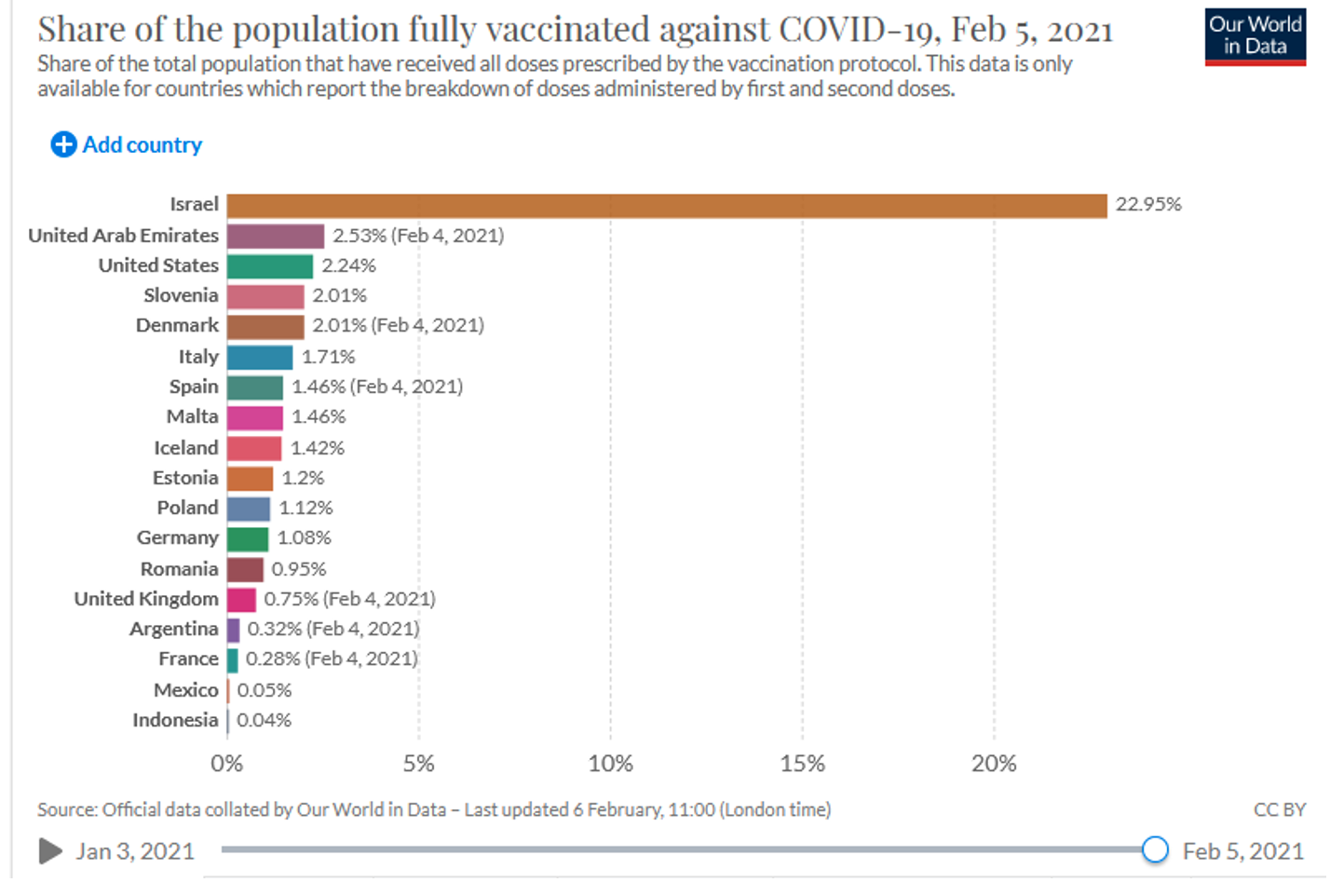
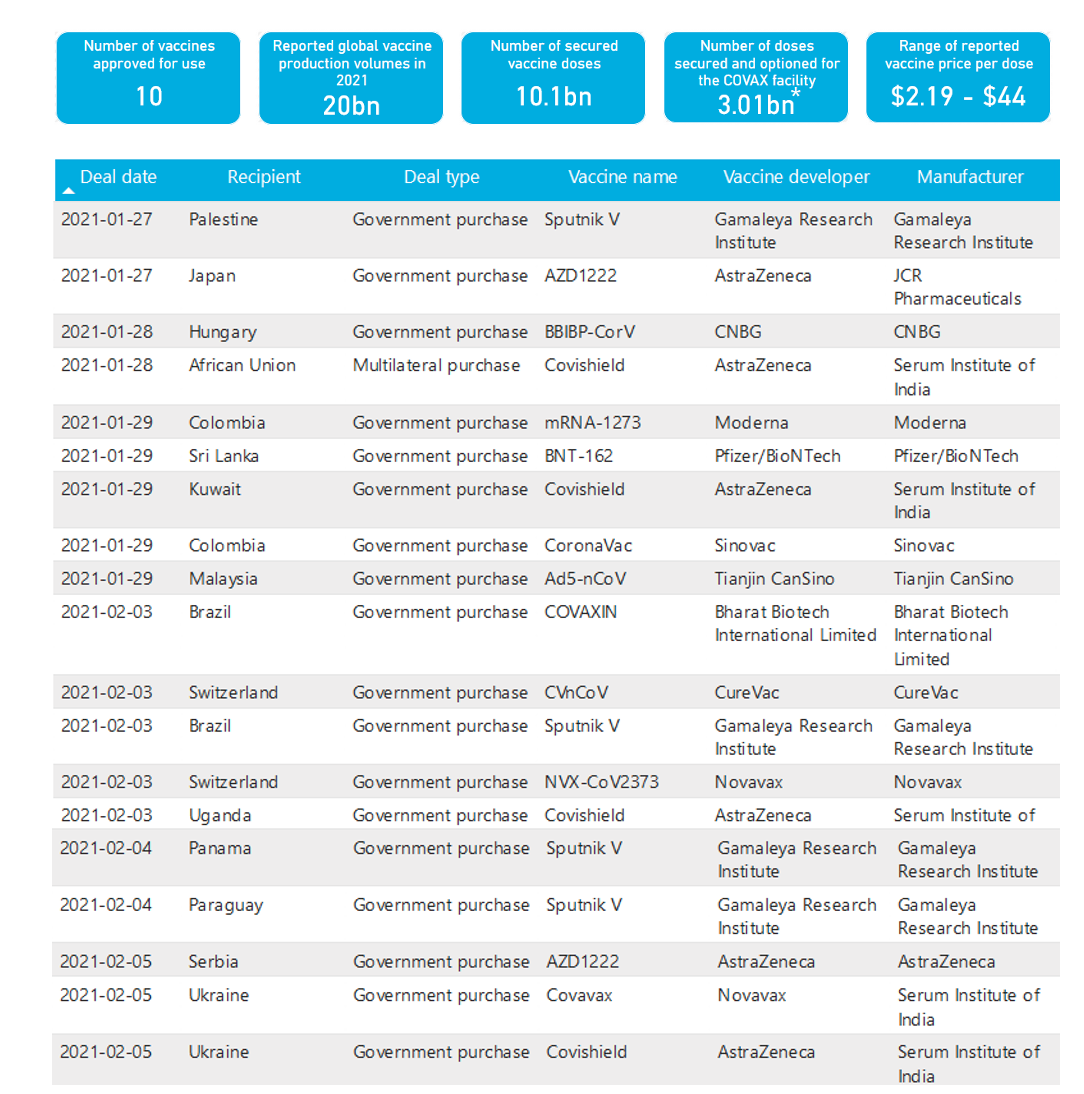
Journal Watch

Journal Watch
Vaccines and Global Health: The Week in Review continues its weekly scanning of key peer-reviewed journals to identify and cite articles, commentary and editorials, books reviews and other content supporting our focu-s on vaccine ethics and policy. Journal Watch is not intended to be exhaustive, but indicative of themes and issues the Center is actively tracking. We selectively provide full text of some editorial and comment articles that are specifically relevant to our work. Successful access to some of the links provided may require subscription or other access arrangement unique to the publisher.
If you would like to suggest other journal titles to include in this service, please contact David Curry at: david.r.curry@centerforvaccineethicsandpolicy.org

Racial and Ethnic Health Equity in the US: Part 1

AMA Journal of Ethics
Volume 23, Number 2: E83-211 Feb 2021
https://journalofethics.ama-assn.org/issue/racial-and-ethnic-health-equity-us-part-1


Racial and Ethnic Health Equity in the US: Part 1
Health equity is defined by the World Health Organization as the “absence of unfair and avoidable or remediable differences in health among social groups.” Domestically and globally, health inequity is not a historical accident. Inequity today is not unfortunate—that is, not a product of a mere turn of the proverbial cosmic wheel—but unjust—that is, generated by colonial, White supremacist policies and practices structured and maintained over time, forged to persist in hierarchies that serve some of us, our ancestors, and our descendants well and some of us, our ancestors, and our descendants ill. This first of a 2-part theme issue focuses specifically on racial and ethnic inequity in morbidity, mortality, and access to services that are endemic to American life. We investigate health inequity as a product of transgenerational patterns of oppression that must be remediated by all of us compassionately and more deliberately and quickly than they were created.

Cost per DALY averted in low, middle- and high-income countries: evidence from the global burden of disease study to estimate the cost-effectiveness thresholds

BMC Cost Effectiveness and Resource Allocation
http://resource-allocation.biomedcentral.com/
(Accessed 6 Feb 2021)


Cost per DALY averted in low, middle- and high-income countries: evidence from the global burden of disease study to estimate the cost-effectiveness thresholds
Determining the cost-effectiveness thresholds for healthcare interventions has been a severe challenge for policymakers, especially in low- and middle-income countries. This study aimed to estimate the cost per disability-adjusted life-year (DALY) averted for countries with different levels of Human Development Index (HDI) and Gross Domestic Product (GDP).
Authors: Rajabali Daroudi, Ali Akbari Sari, Azin Nahvijou and Ahmad Faramarzi
Content type: Research
4 February 2021

The impact of non-pharmaceutical interventions on SARS-CoV-2 transmission across 130 countries and territories

BMC Medicine
http://www.biomedcentral.com/bmcmed/content
(Accessed 6 Feb 2021)


The impact of non-pharmaceutical interventions on SARS-CoV-2 transmission across 130 countries and territories
Non-pharmaceutical interventions (NPIs) are used to reduce transmission of SARS coronavirus 2 (SARS-CoV-2) that causes coronavirus disease 2019 (COVID-19). However, empirical evidence of the effectiveness of s…
Authors: Yang Liu, Christian Morgenstern, James Kelly, Rachel Lowe and Mark Jit
Citation: BMC Medicine 2021 19:40
Content type: Research article
Published on: 5 February 2021

The importance of supplementary immunisation activities to prevent measles outbreaks during the COVID-19 pandemic in Kenya

BMC Medicine
http://www.biomedcentral.com/bmcmed/content
(Accessed 6 Feb 2021)


The importance of supplementary immunisation activities to prevent measles outbreaks during the COVID-19 pandemic in Kenya
The COVID-19 pandemic has disrupted routine measles immunisation and supplementary immunisation activities (SIAs) in most countries including Kenya. We assessed the risk of measles outbreaks during the pandemi…
Authors: C. N. Mburu, J. Ojal, R. Chebet, D. Akech, B. Karia, J. Tuju, A. Sigilai, K. Abbas, M. Jit, S. Funk, G. Smits, P. G. M. van Gageldonk, F. R. M. van der Klis, C. Tabu, D. J. Nokes, JAG Scott…
Citation: BMC Medicine 2021 19:35
Content type: Research article
Published on: 3 February 2021

Associations between insurance-related affordable care act policy changes with HPV vaccine completion

BMC Public Health
http://bmcpublichealth.biomedcentral.com/articles


Research
Associations between insurance-related affordable care act policy changes with HPV vaccine completion
Although all 11- or 12-year-olds in the US were recommended to receive a 3-dose series of the human papillomavirus (HPV) vaccine within a 12-month period prior to 2016, rates of completion of the HPV vaccine s…
Authors: Summer Sherburne Hawkins, Krisztina Horvath, Jessica Cohen, Lydia E. Pace and Christopher F. Baum
Citation: BMC Public Health 2021 21:304
Content type: Research article
Published on: 6 February 2021

Factors associated with participation in an ongoing national catch-up campaign against rubella: a cross-sectional internet survey among 1680 adult men in Japan

BMC Public Health
http://bmcpublichealth.biomedcentral.com/articles


Factors associated with participation in an ongoing national catch-up campaign against rubella: a cross-sectional internet survey among 1680 adult men in Japan
Since 2019, aiming to eliminate periodic rubella outbreaks, the Japanese government has provided a rubella immunization program targeting men born in fiscal years 1972 to 1978, who lacked the opportunity to be…
Authors: Ai Hori, Shiho Yoshii, Yukari Isaka and Koji Wada
Citation: BMC Public Health 2021 21:292
Content type: Research article
Published on: 4 February 2021

Empowering traditional birth attendants as agents of maternal and neonatal immunization uptake in Nigeria: a repeated measures design

BMC Public Health
http://bmcpublichealth.biomedcentral.com/articles


Empowering traditional birth attendants as agents of maternal and neonatal immunization uptake in Nigeria: a repeated measures design
Adequate immunization coverage in rural communities remain a challenge in Nigeria. Traditional birth attendants (TBAs) form an integral part of the social, cultural and religious fabric in most rural communiti…
Authors: Chinedu Anthony Iwu, Kenechi Uwakwe, Uche Oluoha, Chukwuma Duru and Ernest Nwaigbo
Citation: BMC Public Health 2021 21:287
Content type: Research article
Published on: 4 February 2021

A review of the quantitative effectiveness evidence synthesis methods used in public health intervention guidelines

BMC Public Health
http://bmcpublichealth.biomedcentral.com/articles


A review of the quantitative effectiveness evidence synthesis methods used in public health intervention guidelines
The complexity of public health interventions create challenges in evaluating their effectiveness. There have been huge advancements in quantitative evidence synthesis methods development (including meta-analy…
Authors: Ellesha A. Smith, Nicola J. Cooper, Alex J. Sutton, Keith R. Abrams and Stephanie J. Hubbard
Citation: BMC Public Health 2021 21:278
Content type: Research article
Published on: 3 February 2021

Effect of intensive training in improving older women’s knowledge and support for infant vaccination in Nigerian urban slums: a before-and-after intervention study

BMC Public Health
http://bmcpublichealth.biomedcentral.com/articles


Effect of intensive training in improving older women’s knowledge and support for infant vaccination in Nigerian urban slums: a before-and-after intervention study
One of the strategies for improving vaccination uptake is to make communities understand the importance of immunization and this is expected to drive the demand for vaccines. Building the capacity of older wom…
Authors: Folusho Mubowale Balogun, Olayinka Samson Bamidele and Eniola Adetola Bamgboye
Citation: BMC Public Health 2021 21:266
Content type: Research article
Published on: 2 February 2021

Feasibility of implementation of CARD™ for school-based immunizations in Calgary, Alberta: a cluster trial

BMC Public Health
http://bmcpublichealth.biomedcentral.com/articles


Feasibility of implementation of CARD™ for school-based immunizations in Calgary, Alberta: a cluster trial
Negative experiences with school-based immunizations can contribute to vaccine hesitancy in youth and adulthood. We developed an evidence-based, multifaceted and customizable intervention to improve the immuni…
Authors: Anna Taddio, Joanne Coldham, Charlotte Logeman, C. Meghan McMurtry, Cheri Little, Tracy Samborn, Lucie M. Bucci, Noni E. MacDonald, Vibhuti Shah, Cindy Dribnenki, Joanne Snider and Derek Stephens
Citation: BMC Public Health 2021 21:260
Content type: Research article
Published on: 1 February 2021

Learning from past mistakes? The COVID-19 vaccine and the inverse equity hypothesis

The European Journal of Public Health
Volume 31, Issue 1, February 2021
https://academic.oup.com/eurpub/issue/31/1


Editorials
Learning from past mistakes? The COVID-19 vaccine and the inverse equity hypothesis
Adam Todd, Clare Bambra
European Journal of Public Health, Volume 31, Issue 1, February 2021, Page 2, https://doi.org/10.1093/eurpub/ckaa243

How to engage communities on a large scale? Lessons from World Mosquito Program in Rio de Janeiro, Brazil

Gates Open Research
https://gatesopenresearch.org/browse/articles
[Accessed 6 Feb 2021]


Open Letter Revised
How to engage communities on a large scale? Lessons from World Mosquito Program in Rio de Janeiro, Brazil [version 2; peer review: 1 approved, 2 approved with reservations]
Guilherme B. Costa, Ruth Smithyman, Scott L. O’Neill, Luciano A. Moreira
Peer Reviewers James V. Lavery; Delphine Thizy; Trudie Lang
Funders: Bill and Melinda Gates Foundation, Ministério da Saúde Brasil
LATEST VERSION PUBLISHED 04 Feb 2021

Special Issue: Understanding the health systems impacts of “Test and Treat” in sub-Saharan Africa: Findings from the SHAPE study

Global Public Health
Volume 16, Issue 2 (2021)
http://www.tandfonline.com/toc/rgph20/current


Special Issue: Understanding the health systems impacts of “Test and Treat” in sub-Saharan Africa: Findings from the SHAPE study; Guest Editors: Jenny Renju, Janet Seeley, Mosa Moshabela, and Alison Wrin

Specific considerations for research on the effectiveness of multisectoral collaboration: methods and lessons from 12 country case studies

Globalization and Health
http://www.globalizationandhealth.com/
[Accessed 6 Feb 2021]


Commentary
Specific considerations for research on the effectiveness of multisectoral collaboration: methods and lessons from 12 country case studies
The success of the Sustainable Development Goals (SDGs) is predicated on multisectoral collaboration (MSC), and the COVID-19 pandemic makes it more urgent to learn how this can be done better. Complex challenges facing countries, such as COVID-19, cut across health, education, environment, financial and other sectors. Addressing these challenges requires the range of responsible sectors and intersecting services – across health, education, social and financial protection, economic development, law enforcement, among others – transform the way they work together towards shared goals. While the necessity of MSC is recognized, research is needed to understand how sectors collaborate, inform how to do so more efficiently, effectively and equitably, and ascertain similarities and differences across contexts. To answer these questions and inform practice, research to strengthen the evidence-base on MSC is critical.
Authors: Rachael Hinton, Corinne Armstrong, Eriana Asri, Klaus Baesel, Sarah Barnett, Carla Blauvelt, Saidatul Norbaya Bt Buang, Louise Bury, Jai K. Das, Jennifer Franz-Vasdeki, Helia Molina Milman, John Murray, Susana Palma, Ilona Renner, Marion Roche, Victoria Saint…
Content type: Commentary
1 February 2021