Governing Heritable Human Genome Editing: A Textual History and a Proposal for the Future

The CRISPR Journal
Volume 4, Issue 4 / August 2021
https://www.liebertpub.com/toc/crispr/4/4


Perspective Open Access
Governing Heritable Human Genome Editing: A Textual History and a Proposal for the Future
LeRoy Walters, Robert M. Cook-Deegan, and Eli Y. Adashi
Pages:469–476
Published Online:16 August 2021
https://doi.org/10.1089/crispr.2021.0043
Abstract
Heritable human genome editing (HHGE) has become a topic of intense public interest, especially since 2015. In the early 1980s, a related topic—human genetic engineering—was the subject of sustained public discussion. There was particular concern about germline genetic intervention. During the 1980s debate, an advisory committee to the Director of the National Institutes of Health (NIH)—the Recombinant DNA Advisory Committee (RAC)—agreed to provide initial public review of proposals for deliberate introduction of DNA into human beings. In 1984 and 1985, the RAC developed guidelines for research involving DNA transfer into patients. The committee also commented on the possibility of deliberately altering the human germline. We track the textual changes over time in the RAC’s response to the possibility of germline genetic intervention in humans. In 2019, the NIH RAC was abolished. New techniques for genome editing, including CRISPR-based techniques, make both somatic and germline alterations much more feasible. These novel capabilities have again raised questions about oversight. We propose the creation of a new structure for the public oversight of proposals to perform HHGE. In parallel with a technical review by a regulatory agency, such proposals should also be publicly evaluated by a presidentially appointed Bioethics Advisory Commission.

Application of CRISPR-Cas9 Editing for Virus Engineering and the Development of Recombinant Viral Vaccines

The CRISPR Journal
Volume 4, Issue 4 / August 2021
https://www.liebertpub.com/toc/crispr/4/4


Review Article
Application of CRISPR-Cas9 Editing for Virus Engineering and the Development of Recombinant Viral Vaccines
Na Tang, Yaoyao Zhang, Zhiqiang Shen, Yongxiu Yao, and Venugopal Nair
Pages:477–490
Published Online:16 August 2021
https://doi.org/10.1089/crispr.2021.0017

Application of CRISPR-Cas9 Editing for Virus Engineering and the Development of Recombinant Viral Vaccines

The CRISPR Journal
Volume 4, Issue 4 / August 2021
https://www.liebertpub.com/toc/crispr/4/4


Review Article
Application of CRISPR-Cas9 Editing for Virus Engineering and the Development of Recombinant Viral Vaccines
Na Tang, Yaoyao Zhang, Zhiqiang Shen, Yongxiu Yao, and Venugopal Nair
Pages:477–490
Published Online:16 August 2021
https://doi.org/10.1089/crispr.2021.0017
Abstract
The advent of human gene editing has stimulated international interest in how best to govern this research. However, research on stakeholder views has neglected scientists themselves. We surveyed 212 scientists who use gene editing in their work. Questions captured views on oversight and use of somatic and germline human gene editing for treatment, prevention, and enhancement. More respondents were supportive of somatic than germline editing, and more supported gene editing for treatment compared to prevention. Few supported its use for enhancement. When presented with specific conditions, levels of support for somatic editing differed by type of condition. Almost all respondents said scientists and national government representatives should be involved in oversight, but only 28% said scientists are best positioned to oversee gene-editing research. These results can inform the development of sound approaches to research governance, demonstrating the importance of identifying specific gene-editing uses when considering oversight.

Supplement: E-Mental-Health: Exploring the Evidence Base and Stakeholders’ Perspectives on Internet-Based Interventions for the Prevention of Mental Health Conditions

The European Journal of Public Health
SUPPLEMENT – Volume 31, Issue Supplement_1, July 2021
https://academic.oup.com/eurpub/issue/31/Supplement_1


Supplement: E-Mental-Health: Exploring the Evidence Base and Stakeholders’ Perspectives on Internet-Based Interventions for the Prevention of Mental Health Conditions
Mental illness represents an enormous personal, social and societal burden for European citizens1 calling for the need to expand existing models of mental healthcare delivery. In Europe, the Internet is a key source of health information,2 and technology-enhanced (psychological) interventions such as Internet- and mobile-delivered applications (‘eHealth’3 and ‘m-Health’4) have become increasingly popular and studied. There is already strong evidence of the efficacy of online interventions for the prevention and treatment of several psychological disorders5,6 and meta-analyses show effect sizes similar to face-to-face interventions.7

July 2021 | Borders, Immigrants & Health

Health Affairs
Vol. 40, No. 7 July 2021
https://www.healthaffairs.org/toc/hlthaff/current


July 2021 | Borders, Immigrants & Health
About one in seven residents of the US is an immigrant, and about fifteen million people live within 100 kilometers of the US-Mexico border. Disparities in health status exist between people born in the US and those who have immigrated. Immigration policy has been contentious throughout US history, and current policies in the US and Mexico have significant effects on the health and well-being of tens of millions of people. This thematic issue of Health Affairs focuses on immigrants and borders. The overview article by Arturo Vargas Bustamante and coauthors describes a range of health policy issues raised by the continuously shifting demography of US immigrants.

Health gains and financial protection from human papillomavirus vaccination in Ethiopia: findings from a modelling study

Health Policy and Planning
Volume 36, Issue 6, July 2021
https://academic.oup.com/heapol/issue/36/6


ORIGINAL ARTICLES
Health gains and financial protection from human papillomavirus vaccination in Ethiopia: findings from a modelling study
Allison Portnoy, Steven Sweet, Dawit Desalegn, Solomon Tessema Memirie, Jane J Kim

Implementing ‘universal’ access to antiretroviral treatment in South Africa: a scoping review on research priorities

Health Policy and Planning
Volume 36, Issue 6, July 2021
https://academic.oup.com/heapol/issue/36/6


REVIEWS
Implementing ‘universal’ access to antiretroviral treatment in South Africa: a scoping review on research priorities
Hanlie Myburgh, Lindsey Reynolds, Graeme Hoddinott, Dianne van Aswegen, Nelis Grobbelaar

Localisation and local humanitarian action

Humanitarian Exchange Magazine
Number 79, May 2021
https://odihpn.org/magazine/localisation-and-local-humanitarian-action/


Localisation and local humanitarian action
by HPN October 2020
The theme of this edition of Humanitarian Exchange is localisation+ and local humanitarian action. Five years ago this week, donors, United Nations (UN) agencies,  non-governmental organisations (NGOs), the International Committee of the Red Cross (ICRC) and International Federation of Red Cross and Red Crescent Societies (IFRC) committed within the Grand Bargain to increase multi-year investments in the institutional capacities of local and national responders, and to provide at least 25% of humanitarian funding to them as directly as possible. Since then, there is increasing consensus at policy and normative level, underscored by the Covid-19 pandemic, that local leadership should be supported.  Localisation has gone from a fringe conversation among policy-makers and aid agencies in 2016 to a formal priority under the Grand Bargain. Wider global movements on anti-racism and decolonisation have also brought new momentum to critical reflections on where power, knowledge and capacity reside in the humanitarian system. Yet progress has been slow and major gaps remain between the rhetoric around humanitarian partnerships, funding and coordination and practices on the ground.

Characterization of SARS-CoV-2 worldwide transmission based on evolutionary dynamics and specific viral mutations in the spike protein

Infectious Diseases of Poverty
http://www.idpjournal.com/content
[Accessed 21 Aug 21]


Characterization of SARS-CoV-2 worldwide transmission based on evolutionary dynamics and specific viral mutations in the spike protein
Authors: Jiluo Liu, Xi Chen, Yan Liu, Jiansheng Lin, Jiaying Shen, Hongwei Zhang, Jianhua Yin, Rui Pu, Yibo Ding and Guangwen Cao
Content type: Research Article
21 August 2021

Partnering With the Faith-Based Community to Address Disparities in COVID-19 Vaccination Rates and Outcomes Among US Black and Latino Populations

JAMA
August 17, 2021, Vol 326, No. 7, Pages 587-680
https://jamanetwork.com/journals/jama/currentissue


Racial and Ethnic Disparities and Inequities in Medicine and Health Care
Viewpoint
Partnering With the Faith-Based Community to Address Disparities in COVID-19 Vaccination Rates and Outcomes Among US Black and Latino Populations
Anthony Evans, MDiv; Joseph Webster, MD; Glenn Flores, MD
free access
JAMA. 2021;326(7):609-610. doi:10.1001/jama.2021.12652
This Viewpoint discusses the low rates at which Black and Latino individuals in the US are being vaccinated against COVID-19 and how the National Black Church Initiative plans to address gaps in vaccination as well as other health care disparities.

Overview of the Issue

Journal of Health Care for the Poor and Underserved (JHCPU)
Volume 32, Number 2, May 2021 Supplement
https://muse.jhu.edu/issue/44396


Table of Contents
Overview of the Issue
Kevin B. Johnson, Tiffani J. Bright, Cheryl R. Clark
…The importance of techquity—defined as the strategic development and deployment of technology in health care and health to advance health equity—was even more apparent after the events of 2020. COVID-19 upended access to care and illuminated the impact of structural racism as a cause for a widening gap of access during the pandemic. Black Lives Matter became more than a trending hashtag on Twitter, or a movement resulting in peaceful protests and calls for policy reform: it put additional focus on the issue of race as a social and not a biological construct and called into question the rationale for common practices in health care that were triggered by race. A notable example was the emerging realization that kidney function assessment was tied to race and hardwired into many of our electronic health records. The real-world evidence around our lack of techquity was incontrovertible.
This Supplemental Issue of JHCPU provides articles that describe challenges to techquity, frameworks to improve the role of technology in care, and examples of how technology can transform health, public health, and health care…

Protection by vaccination of children against typhoid fever with a Vi-tetanus toxoid conjugate vaccine in urban Bangladesh: a cluster-randomised trial

The Lancet
Aug 21, 2021 Volume 398 Number 10301 p641-724, e10
https://www.thelancet.com/journals/lancet/issue/current


Articles
Protection by vaccination of children against typhoid fever with a Vi-tetanus toxoid conjugate vaccine in urban Bangladesh: a cluster-randomised trial
Firdausi Qadri, et al.
Open Access
Typhoid fever remains a major cause of morbidity and mortality in low-income and middle-income countries. Vi-tetanus toxoid conjugate vaccine (Vi-TT) is recommended by WHO for implementation in high-burden countries, but there is little evidence about its ability to protect against clinical typhoid in such settings… Vi-TT provided protection against typhoid fever to children vaccinated between 9 months and less than 16 years. Longer-term follow-up will be needed to assess the duration of protection and the need for booster doses.

Systems vaccinology of the BNT162b2 mRNA vaccine in humans

Nature
Volume 596 Issue 7872, 19 August 2021
https://www.nature.com/nature/volumes/596/issues/7872


Article | 12 July 2021
Systems vaccinology of the BNT162b2 mRNA vaccine in humans
Profiling the immune responses of 56 volunteers vaccinated with BNT162b2 reveals how this mRNA vaccine primes the innate immune system to mount a potent response to SARS-CoV-2 after booster immunization.
Prabhu S. Arunachalam, Madeleine K. D. Scott, Bali Pulendran

Age-related immune response heterogeneity to SARS-CoV-2 vaccine BNT162b2

Nature
Volume 596 Issue 7872, 19 August 2021
https://www.nature.com/nature/volumes/596/issues/7872


Article | 30 June 2021 | Open Access
Age-related immune response heterogeneity to SARS-CoV-2 vaccine BNT162b2
Individuals over eighty years of age are less likely to mount a good immune response against SARS-CoV-2 (measured by neutralization titres) after the first dose of the BNT162b2 mRNA vaccine, but achieve good neutralization after the second dose.
Dami A. Collier, Isabella A. T. M. Ferreira, Ravindra K. Gupta

Protective efficacy of Ad26.COV2.S against SARS-CoV-2 B.1.351 in macaques

Nature
Volume 596 Issue 7872, 19 August 2021
https://www.nature.com/nature/volumes/596/issues/7872


Article | 23 June 2021 | Open Access
Protective efficacy of Ad26.COV2.S against SARS-CoV-2 B.1.351 in macaques
SARS-CoV-2 challenge of rhesus macaques demonstrates that the Ad26.COV2.S vaccine induces robust protection against both the WA1/2020 isolate and the B.1.351 variant of concern.
Jingyou Yu, Lisa H. Tostanoski, Dan H. Barouch

The Covid-19 Infodemic — Applying the Epidemiologic Model to Counter Misinformation

New England Journal of Medicine
August 19, 2021 Vol. 385 No. 8
http://www.nejm.org/toc/nejm/medical-journal


Perspective
The Covid-19 Infodemic — Applying the Epidemiologic Model to Counter Misinformation D. Scales, J. Gorman, and K.H. Jamieson
Throughout the world, including the United States, medical professionals and patients are facing both a pandemic and an infodemic — the first caused by SARS-CoV-2 and the second by misinformation and disinformation. The Annenberg Public Policy Center’s tracking of social and legacy media has found that millions of people have been exposed to deceptive material alleging that SARS-CoV-2 is a hoax or that experts are exaggerating its severity and the extent of its spread, that masks are ineffective or increase infection risk, or that Covid-19 vaccines cause the disease, alter the recipient’s DNA, or include tracking devices. Believing such claims is associated with a lower likelihood of engaging in preventive behavior and a lower willingness to be vaccinated.1
We believe the intertwining spreads of the virus and of misinformation and disinformation require an approach to counteracting deceptions and misconceptions that parallels epidemiologic models by focusing on three elements: real-time surveillance, accurate diagnosis, and rapid response…

Empowering grassroots innovation to accelerate biomedical research

PLoS Biology
https://journals.plos.org/plosbiology/
(Accessed 21 Aug 21)


Empowering grassroots innovation to accelerate biomedical research
Bastian Greshake Tzovaras, Michael Rera, Edwin H. Wintermute, Katharina Kloppenborg, Juliette Ferry-Danini, Guy Aidelberg, Rachel Aronoff, Ariel Lindner, Dusan Misevic
Perspective | published 09 Aug 2021 PLOS Biology
https://doi.org/10.1371/journal.pbio.3001349

Peoples’ understanding, acceptance, and perceived challenges of vaccination against COVID-19: A cross-sectional study in Bangladesh

PLoS One
http://www.plosone.org/
[Accessed 21 Aug 21]


Peoples’ understanding, acceptance, and perceived challenges of vaccination against COVID-19: A cross-sectional study in Bangladesh
Alak Paul, Dwaipayan Sikdar, Janardan Mahanta, Sanjib Ghosh, Md. Akib Jabed, Sujat Paul, Fahmida Yeasmin, Suranjana Sikdar, Bishawjit Chowdhury, Tapan Kumar Nath
Research Article | published 20 Aug 2021 PLOS ONE
https://doi.org/10.1371/journal.pone.0256493

Preferences for COVID-19 vaccine distribution strategies in the US: A discrete choice survey

PLoS One
http://www.plosone.org/
[Accessed 21 Aug 21]


Preferences for COVID-19 vaccine distribution strategies in the US: A discrete choice survey
Ingrid Eshun-Wilson, Aaloke Mody, Khai Hoan Tram, Cory Bradley, Alexander Sheve, Branson Fox, Vetta Thompson, Elvin H. Geng
Research Article | published 20 Aug 2021 PLOS ONE
https://doi.org/10.1371/journal.pone.0256394

Improving routine immunization data quality using daily short message system reporting platform: An experience from Nasarawa state, Nigeria

PLoS One
http://www.plosone.org/
[Accessed 21 Aug 21]


Improving routine immunization data quality using daily short message system reporting platform: An experience from Nasarawa state, Nigeria
Adekunle Akerele, Belinda Uba, Matthew Aduloju, Sulaiman Etamesor, Jamila A. Umar, Olorunsogo Bidemi Adeoye, Ameh Enyojo, Friday Josiah, Esther Ayandipo, Itse Olaoye, Oluwasegun Joel Adegoke, Sampson Sidney, Murtala Bagana, Okposen Bassey, Margherita E. Ghiselli, Waziri Ndadilnasiya, Omotayo Bolu, Faisal Shuaib
Research Article | published 19 Aug 2021 PLOS ONE
https://doi.org/10.1371/journal.pone.0255563

Burden of disease among the world’s poorest billion people: An expert-informed secondary analysis of Global Burden of Disease estimates

PLoS One
http://www.plosone.org/
[Accessed 21 Aug 21]


Burden of disease among the world’s poorest billion people: An expert-informed secondary analysis of Global Burden of Disease estimates
Matthew M. Coates, Majid Ezzati, Gisela Robles Aguilar, Gene F. Kwan, Daniel Vigo, Ana O. Mocumbi, Anne E. Becker, Julie Makani, Adnan A. Hyder, Yogesh Jain, D. Cristina Stefan, Neil Gupta, Andrew Marx, Gene Bukhman
Research Article | published 16 Aug 2021 PLOS ONE
https://doi.org/10.1371/journal.pone.0253073

Effect of Internet use for searching information on vaccination on the uptake of human papillomavirus vaccine in France: A path-analysis approach

Preventive Medicine
Volume 149 August 2021
https://www.sciencedirect.com/journal/preventive-medicine/vol/149/suppl/C


Research article Abstract only
Effect of Internet use for searching information on vaccination on the uptake of human papillomavirus vaccine in France: A path-analysis approach
Fadia Dib, Philippe Mayaud, Laetitia Longfier, Pierre Chauvin, Odile Launay
Article 106615

Malaria infection and severe disease risks in Africa

Science
20 August 2021 Vol 373, Issue 6557
http://www.sciencemag.org/current.dtl


Reports
Malaria infection and severe disease risks in Africa
By Robert S. Paton, Alice Kamau, Samuel Akech, Ambrose Agweyu, Morris Ogero, Charles Mwandawiro, Neema Mturi, Shebe Mohammed, Arthur Mpimbaza, Simon Kariuki, Nancy A. Otieno, Bryan O. Nyawanda, Amina F. Mohamed, George Mtove, Hugh Reyburn, Sunetra Gupta, Philip Bejon, José Lourenço, Robert W. Snow
Science20 Aug 2021 : 926-931 Full Access
Childhood malaria
Understanding how changes in community parasite prevalence alter the rate and age distribution of severe malaria is essential for optimizing control efforts. Paton et al. assessed the incidence of pediatric severe malaria admissions from 13 hospitals in East Africa from 2006 to 2020 (see the Perspective by Taylor and Slutsker). Each 25% increase in community parasite prevalence shifted hospital admissions toward younger children. Low rates of lifetime infections appeared to confer some immunity to severe malaria in very young children. Children under the age of 5 years thus need to remain a focus of disease prevention for malaria control.
Abstract
The relationship between community prevalence of Plasmodium falciparum and the burden of severe, life-threatening disease remains poorly defined. To examine the three most common severe malaria phenotypes from catchment populations across East Africa, we assembled a dataset of 6506 hospital admissions for malaria in children aged 3 months to 9 years from 2006 to 2020. Admissions were paired with data from community parasite infection surveys. A Bayesian procedure was used to calibrate uncertainties in exposure (parasite prevalence) and outcomes (severe malaria phenotypes). Each 25% increase in prevalence conferred a doubling of severe malaria admission rates. Severe malaria remains a burden predominantly among young children (3 to 59 months) across a wide range of community prevalence typical of East Africa. This study offers a quantitative framework for linking malaria parasite prevalence and severe disease outcomes in children.

Enrollment, retention, and strategies for including disadvantaged populations in randomized controlled trials: a systematic review protocol

Systematic Reviews
https://systematicreviewsjournal.biomedcentral.com/articles
[Accessed 21 Aug 21]


Enrollment, retention, and strategies for including disadvantaged populations in randomized controlled trials: a systematic review protocol
Many randomized controlled trials fail to reach their target sample size. When coupled with the omission and underrepresentation of disadvantaged groups in randomized controlled trials, many trials fail to obtain data that accurately represents the true diversity of their target population. Policies and practices have been implemented to increase representation of disadvantaged groups in many randomized controlled trials, with some trials specifically targeting such groups. To our knowledge, no systematic review has quantified the enrollment metrics and effectiveness of inclusion and retention strategies in randomized controlled trials focused on disadvantaged populations specifically.
Authors: Abigail LaPlante, Renata W. Yen, Talia Isaacs, Joanna Crocker, Zsofia Demjen, Danielle Schubbe, Alice M. Kennedy, Jaclyn Engel, Nancy O’Brien, Carla Richters and Marie-Anne Durand
Citation: Systematic Reviews 2021 10:233
Content type: Protocol
Published on: 18 August 2021

Promoting, seeking, and reaching vaccination services: A systematic review of costs to immunization programs, beneficiaries, and caregivers

Vaccine
Volume 39, Issue 32 Pages 4391-4570 (22 July 2021)
https://www.sciencedirect.com/journal/vaccine/vol/39/issue/32


Review article Abstract only
Promoting, seeking, and reaching vaccination services: A systematic review of costs to immunization programs, beneficiaries, and caregivers
Tatenda T. Yemeke, Elizabeth Mitgang, Patrick T. Wedlock, Colleen Higgins, … Sachiko Ozawa
Pages 4437-4449

Vaccine hesitancy among hospital staff physicians: A cross-sectional survey in France in 2019

Vaccine
Volume 39, Issue 32 Pages 4391-4570 (22 July 2021)
https://www.sciencedirect.com/journal/vaccine/vol/39/issue/32


Research article Abstract only
Vaccine hesitancy among hospital staff physicians: A cross-sectional survey in France in 2019
Pierre Verger, Christian Dualé, Nezha Lenzi, Dimitri Scronias, … Odile Launay
Pages 4481-4488

Think Tanks et al

Think Tanks et al
 
 
Brookings [to 21 Aug 21]
http://www.brookings.edu/
Report
A proposal for long-term COVID-19 control
Universal vaccination, prophylactic drugs, rigorous mitigation, and international cooperation

William A. Haseltine
Friday, August 20, 2021
…In this paper, I propose a multimodal strategy for long-term COVID control, one that sets up multiple barriers of protection so that we are able to not only contain SARS-CoV-2 and eliminate COVID-19 as a major life-threatening disease, but also return to a new social and economic life. The strategy uses the best of what we have on hand today—a rapidly growing arsenal of vaccines and antiviral drugs and public health measures— with an eye towards future improvements and developments…
 
 
Center for Global Development [to 21 Aug 21]
http://www.cgdev.org/page/press-center
The Challenge of Reallocating SDRs: A Primer
Publication
August 18, 2021
The approval of a new allocation of Special Drawing Rights (SDRs) by the International Monetary Fund (IMF) is the first effort to deal with the financial impact of the COVID-19 crisis on a global level. The purpose of this note is to reframe the concept of SDRs and then to outline in broad the types of proposals that have been mooted as a basis for more detailed work over the coming months.

Retooling UNICEF: New Leadership Needs to Couple Humanitarian Imperatives with Systems Reform
August 16, 2021
UNICEF’s Executive Director, Henrietta Fore, recently announced that she will step down from her position. With a change in leadership imminent, we consider the organization’s dual imperative: to protect children during humanitarian crises – including the current COVID-19 crisis-, and to shift from direct service delivery towards support for systems and policies that will drive sustainable improvements in child well-being today and tomorrow.
Amanda Glassman and Sudhanshu Handa
 
 
Chatham House [to 21 Aug 21]
https://www.chathamhouse.org/
Accessed 21 Aug 21
[No new digest content identified]


CSIS
https://www.csis.org/
Accessed 21 Aug 21
Podcast Episode
Insuring Quality Vaccines during a Global Pandemic
August 19, 2021 | By Katherine E. Bliss


Kaiser Family Foundation
https://www.kff.org/search/?post_type=press-release
August 19, 2021 News Release
Four in Ten Parents of School-Aged Children Say a Child Fell Behind Academically Due to the COVID-19 Pandemic
Four in Ten Parents Say Someone in Their Household Left a Job or Worked Fewer Hours to Care for Their Children, Including Higher Shares of Black, Hispanic, and Lower-income Parents As a result of the pandemic, about four in ten (39%) parents of school-aged children (ages 5-17) say at least…

Vaccines and Global Health: The Week in Review :: 14 August 2021

Vaccines and Global Health: The Week in Review is a weekly digest  summarizing news, events, announcements, peer-reviewed articles and research in the global vaccine ethics and policy space. Content is aggregated from key governmental, NGO, international organization and industry sources, key peer-reviewed journals, and other media channels. This summary proceeds from the broad base of themes and issues monitored by the Center for Vaccine Ethics & Policy in its work: it is not intended to be exhaustive in its coverage. You are viewing the blog version of our weekly digest, typically comprised of between 30 and 40 posts below all dated with the current issue date

.– Request an Email Summary: Vaccines and Global Health : The Week in Review is published as a single email summary, scheduled for release each Saturday evening before midnight (EDT in the U.S.). If you would like to receive the email version, please send your request to david.r.curry@centerforvaccineethicsandpolicy.org.

– pdf version A pdf of the current issue is available here: 

– blog edition: comprised of the approx. 35+ entries posted below.

– Twitter:  Readers can also follow developments on twitter: @vaxethicspolicy.
.
– Links:  We endeavor to test each link as we incorporate it into any post, but recognize that some links may become “stale” as publications and websites reorganize content over time. We apologize in advance for any links that may not be operative. We believe the contextual information in a given post should allow retrieval, but please contact us as above for assistance if necessary.

Support this knowledge-sharing service: Your financial support helps us cover our costs and to address a current shortfall in our annual operating budget. Click here to donate and thank you in advance for your contribution.

.
David R. Curry, MS
Executive Director
Center for Vaccine Ethics and Policy

COVID

Milestones :: Perspectives :: Research

COVID

Editor’s Note:
As is obvious to all, the sheer volume of strategic announcements, regulatory actions, country program decisions, commentary, and, indeed, misinformation around COVID response continues at extraordinary levels. Our weekly digest strives to present a coherent and comprehensive snapshot, but cannot be exhaustive, If you recognize a missed strategic development, a new source of rigorous analysis, or an insight/commentary that would benefit our common understanding, please advise me…we will review all suggestions and consider for inclusion in a subsequent edition: david.r.curry@ge2p2global.org

We are seeking access to modelling which engages scenarios and articulates imperatives around a pandemic end-game through at least a 2025 horizon. We assess that WHO must be conducting or contracting for such modeling – or should recognize an imperative to be doing so in its global health governance role. If we have missed such modeling in progress, we would be delighted to be advised of it and will include it in our coverage.

Pandemic preparedness and the role of science

Milestones :: Perspectives :: Research


Pandemic preparedness and the role of science
S20 ACADEMIES JOINT STATEMENT July 2021 :: 8 pages
EXECUTIVE SUMMARY
Based on consideration by the Scientific Academies of the G20 countries of how the
experience of the response to COVID-19 might inform pandemic preparedness in the
future, the governments of G20 are urged to undertake the following actions:

1. Promote the creation of a global network of surveillance, with agreed criteria to:
Detect emerging unusual clusters of morbidity and mortality that may be the
harbingers of a potential new pandemic by:
building on existing infrastructures including the global alert and response system
for disease outbreaks;
promoting enhanced support for systems such as the Epidemic Intelligence from
Open Sources initiative (EIOS);
developing robust policies and platforms for collating and sharing detailed data –
for example on pathogen genomics.
Provide molecular epidemiological surveillance for directly transmitted respiratory
infections (the most dangerous in terms of rapid spread) and bacterial infections in
the context of the spread of antibiotic resistance genes.
Strengthen the system for worldwide antimicrobial resistance surveillance.
Advertise, educate and promote support for these, and build capacity and skills for
their use.
The network should be underpinned by the governance, infrastructure and skills to
interpret, analyse and connect across countries, and to learn from international data.

2. Promote the distributed manufacture and delivery of diagnostics, drugs, vaccines, medical supplies and equipment for:
Increased technology and manufacturing capability worldwide, but especially in
low and middle-income countries.
Streamlined regulatory processes for novel diagnostics, drugs and vaccines.
International regulatory agencies to look at the lessons learned from swift
development of vaccines in the COVID-19 pandemic and ensure new regulatory
processes can be implemented in a timely fashion.
Provide an international structure to compile and advise on the sensitivity and
specificity of different diagnostic tools.
Enhance access to new technologies, accounting for intellectual property,
patenting and pricing mechanisms.

3. Launch an Intergovernmental Convention that should:
Pave the way to the formulation of an International Agreement on Pandemic
Preparedness and Management, as recently proposed by more than 20 world leaders.
Provide a unique forum to assess the experience of COVID-19 for successes and
failures in global cooperation.
Discuss the need for incentives and mechanisms to reinforce the International
Health Regulations (2005) that must become a sharper instrument for action and
more timely reporting of potential outbreaks.

WHO Statement on advancing the next series of studies to find the origins of SARS-CoV-2

Milestones :: Perspectives :: Research


WHO Statement on advancing the next series of studies to find the origins of SARS-CoV-2
12 August 2021 Statement
[Editor’s text bolding]
Since the start of the COVID-19 pandemic, WHO has been working with Member States and the scientific community to better understand how this pandemic began so that we can be better prepared for the next one.

Following the publication of the WHO-China joint report of the phase one studies on the origins of the SARS-CoV-2 virus in March 2021, WHO has outlined the next series of studies that need to be undertaken and continues to be in discussions with Member States and experts on next steps.


To move forward, WHO calls for all governments to depoliticize the situation and cooperate to accelerate the origins studies, and importantly to work together to develop a common framework for future emerging pathogens of pandemic potential. 

WHO’s priority is for scientists to build on the first phase of studies, implement the recommendations outlined in the March 2021 report and accelerate scientific efforts on all hypotheses. Searching for the origins of any novel pathogen is a difficult process, which is based on science, and takes collaboration, dedication and time.

WHO reiterates that the search for the origins of SARS-CoV-2 is not and should not be an exercise in attributing blame, finger-pointing or political point-scoring. It is vitally important to know how the COVID-19 pandemic began, to set an example for establishing the origins of all future animal-human spillover events.

Countries have a collective responsibility to work together in the true spirit of partnership and to ensure scientists and experts have the space they need to find the origins of the worst pandemic in a century. Building on what has already been learned, the next series of studies would include a further examination of the raw data from the earliest cases and sera from potential early cases in 2019. Access to data is critically important for evolving our understanding of science and should not be politicised in any way.

WHO is working with a number of countries that have reported detection of SARS-CoV-2 in samples from stored biological specimens from 2019. For example, in Italy, WHO facilitated an independent evaluation by international laboratories of the findings of one such study, which included the blind retesting of pre-pandemic blood samples. Sharing raw data and giving permission for the retesting of samples in labs outside of Italy reflects scientific solidarity at its best and is no different from what we encourage all countries, including China, to support so that we can advance the studies of the origins quickly and effectively.


The International Scientific Advisory Group for Origins of Novel Pathogens, or SAGO, is a new advisory group for WHO, which will be responsible for advising WHO on the development of a global framework to systematically study the emergence of future emerging pathogens with pandemic potential. For SARS-CoV-2, it will support the rapid undertaking of recommended studies outlined in the March 2021 report. 

By issuing an open call for nominations to SAGO, WHO is providing a transparent foundation for the new scientific advisory group that we expect all Member States will engage with. WHO hopes for continuity from previous missions to China for SARS-CoV-2, as well as other missions studying the origins of, for example, SARS-CoV, MERS-CoV, avian influenza, Lassa and Ebola.

This open call aims to ensure that a broad range of scientific skills and expertise are identified to advise WHO on the studies needed to identify the origins of any future emerging or re-emerging pathogen of pandemic potential.

China and a number of other Member States have written to WHO regarding the basis for further studies of the SARS-CoV-2 “lab hypothesis.” They have also suggested the origins study has been politicised, or that WHO has acted due to political pressure.

On review of the phase one study report, WHO determined that there was insufficient scientific evidence to rule any of the hypotheses out. Specifically, in order to address the “lab hypothesis,” it is important to have access to all data and consider scientific best practice and look at the mechanisms WHO already has in place. WHO is only focused on science, providing solutions and building solidarity.

Smallpox is the only human virus to have ever been eradicated. There are two countries in the world that keep stocks of smallpox in secure labs: Russia and the US. Inspections by the WHO biosafety team of VECTOR and CDC smallpox labs occur every two years, most recently in Jan-Feb 2019 (VECTOR) and May 2019 (CDC). A report is then provided to the World Health Assembly and the inspection reports are published on the WHO website.

Analysing and improving lab safety and protocols in all laboratories around the world, including in China, is important for our collective biosafety and security.

Searching for the origins of a novel virus is an immensely difficult scientific task that takes time. WHO is committed to following the science, and we call on all governments to put differences aside and work together to provide all data and access required so that the next series of studies can be commenced as soon as possible.

Multilateral Leaders Task Force on COVID-19 [IMF, World Bank Group, WHO, WTO]

Milestones :: Perspectives :: Research


Multilateral Leaders Task Force on COVID-19 [IMF, World Bank Group, WHO, WTO]
A joint initiative from the International Monetary Fund, World Bank Group, World Health Organization, and World Trade Organization to accelerate access to COVID-19 vaccines, therapeutics and diagnostics by leveraging multilateral finance and trade solutions, particularly in low- and middle-income countries.
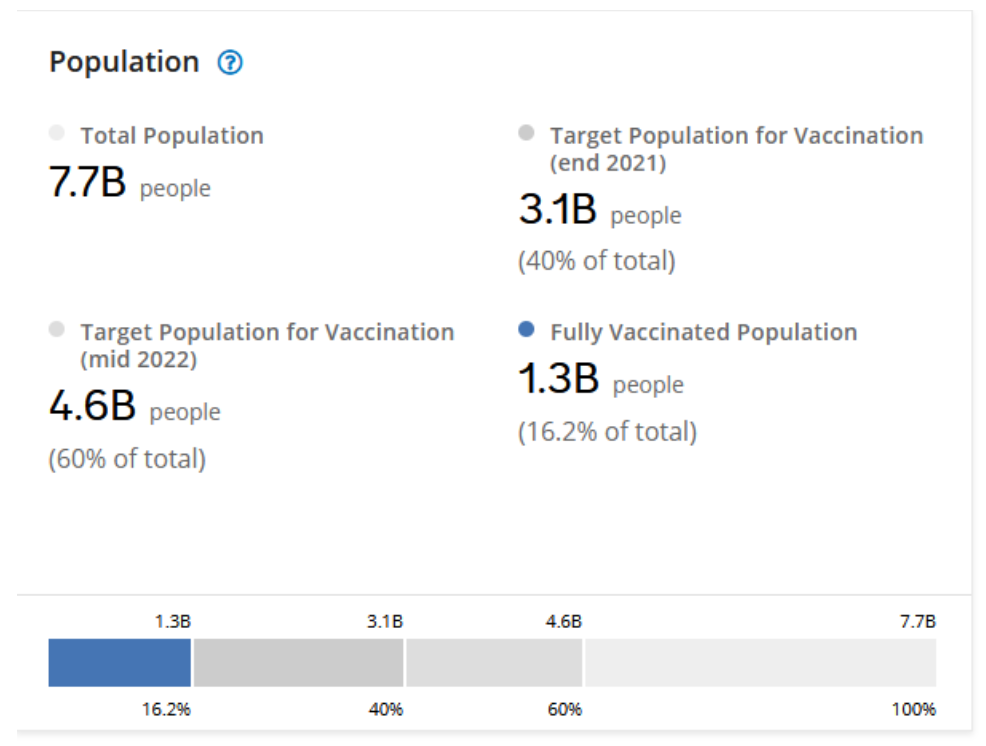
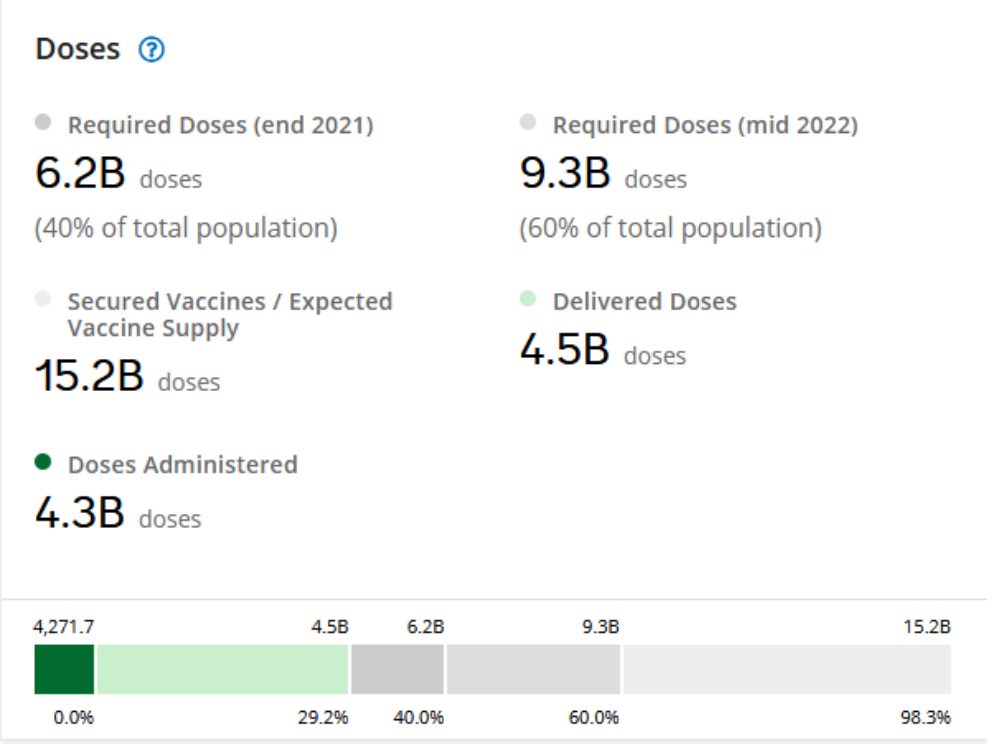
Data to help track, coordinate, and advance delivery of COVID-19 health tools to developing countries and to mobilize relevant stakeholders and national leaders to remove critical roadblocks – in support of the priorities set out by the WBG, IMF, WHO, and WTO.
Website accessed 14 Aug 2021: https://data.covid19taskforce.com/data
The global view below is complemented by country-specific dashboards here.


World Bank Vaccine Operations Portal

Milestones :: Perspectives :: Research


World Bank Vaccine Operations Portal
https://www.worldbank.org/en/who-we-are/news/coronavirus-covid19/world-bank-support-for-country-access-to-covid-19-vaccines
As of July 29, 2021, the World Bank approved operations to support vaccine rollout in 54 countries amounting to $4.6 billion. See the latest project financing, project documents and procurement information in the list below:

Countries receiving World Bank support for vaccines
As of July 29, 2021
This list of countries, project documents, and procurement notices and contracts will be updated as data becomes available.

COVID Vaccines – OCHA:: HDX

Milestones :: Perspectives :: Research


COVID Vaccines – OCHA:: HDX

COVID-19 Data Explorer: Global Humanitarian Operations
COVID-19 Vaccine Roll-out
Aug 14, 2021 | COVAX (WHO,GAVI,CEPI), UNDESA, Press Reports | DATA


Global COVID-19 Figures: 205M total confirmed cases; 4.3M total confirmed deaths
Global vaccines administered: 4.62B
Number of Countries: 26 [26]
COVAX Allocations (Number of Doses): 73M
COVAX Delivered (Number of Doses): 46M [44M week ago]
Other Delivered (Number of Doses): 61M [57M week ago]
Total Delivered (Number of Doses): 110M [100M week ago]
Total Administered (Number of Doses): 110M [96M week ago]

Coronavirus [COVID-19] – WHO Public Health Emergency of International Concern (PHEIC)

Milestones :: Perspectives :: Research

::::::


Coronavirus [COVID-19] – WHO
Public Health Emergency of International Concern (PHEIC)
https://www.who.int/emergencies/diseases/novel-coronavirus-2019


Weekly Epidemiological and Operational updates
Last update: 13 Aug 2021
Confirmed cases :: 205 338 159 [200 840 180 week ago]
Confirmed deaths :: 4 333 094 [4 265 903 week ago]
Vaccine doses administered: 4 428 168 759 [3 984 596 440 week ago]

WHO Director-General’s opening remarks at the media briefing on COVID-19 – 11 August 2021

Milestones :: Perspectives :: Research


WHO Director-General’s opening remarks at the media briefing on COVID-19 – 11 August 2021
11 August 2021
Last Friday, the Ministry of Health of Guinea informed WHO of a case of Marburg virus disease in the country’s south-west, in a man who died 8 days after onset of symptoms. This is the first known case of Marburg in West Africa. There is no licensed vaccine for Marburg, although there are vaccines under development, and WHO is working with our partners to seek opportunities to assess them during this outbreak through the R&D Blueprint for Epidemics.
In October, WHO reported results of the Solidarity Trial, which tested four treatments for COVID-19, involving almost 13,000 patients in 500 hospitals, in 30 countries. Today we are pleased to announce the next phase in the Solidarity trial, called Solidarity PLUS.  
Solidarity PLUS will test three drugs: artesunate, a treatment for severe malaria; imatinib, a drug for certain cancers; and infliximab, a treatment for immune system disorders such as Crohn’s disease. The trial involves thousands of researchers at more than 600 hospitals in 52 countries.  
I would like to thank the governments, hospitals, researchers and patients who are participating in the trial, as well as the three manufacturers who have donated the drugs for the trial: Ipca, Novartis and Johnson & Johnson.


::::::

Weekly operational update on COVID-19 – 9 August 2021
Overview
n this edition of the COVID-19 Weekly Operational Update, highlights of country-level actions and WHO support to countries include:
Working with indigenous communities in COVID-19 pandemic responses in the Americas
Successful and safe hajj season in Saudi Arabia during the COVID-19 pandemic
Viet Nam receives additional COVID-19 vaccines through the COVAX Facility
Sri Lanka receives a large consignment of AstraZeneca vaccines from the COVAX Facility
Infectious Substance Shipment Training (ISST) for priority countries in Kazakhstan
Increasing COVID-19 risk messaging to scale-up community knowledge and perceptions in Nigeria
Solidarity Response Fund initiative on engaging civil society organizations in COVID-19 response at national and local levels
Progress on a subset of indicators from the SPRP 2021 Monitoring and Evaluation Framework
Updates on WHO’s financing to support countries in SPRP 2021 implementation and provision of critical supplies.
Weekly epidemiological update on COVID-19 – 10 August 2021
Overview
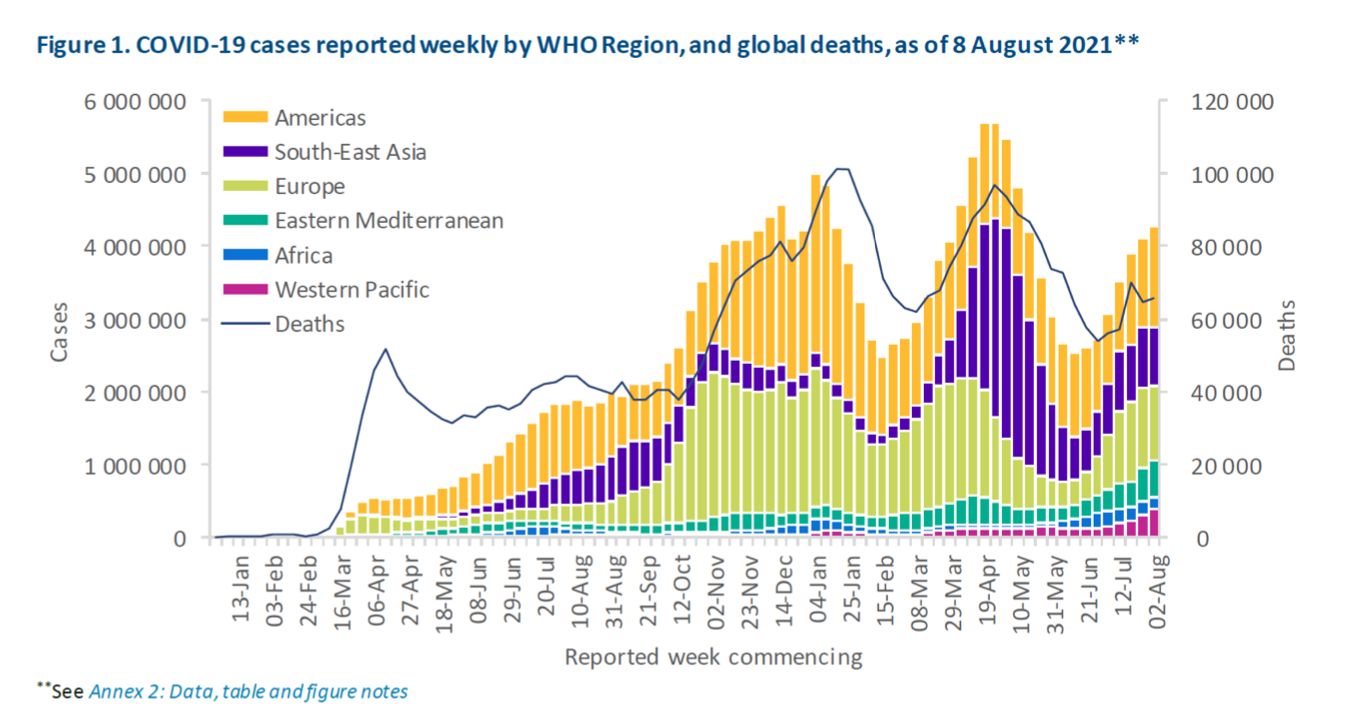
On 5 August, the cumulative number of COVID-19 cases globally surpassed 200 million, just six months after reaching 100 million cases. This week alone, over 4.2 million new cases and over 65 000 new deaths were reported, a slight increase as compared to the previous week. The largest proportionate increases in new cases were reported by the Region of the Americas (14%) and Western Pacific Region (19%), with 1.3 million and over 375 000 new cases reported, respectively. Additionally, a substantial increase (46%) in the number of new deaths was reported this week in the Western Pacific Region (Table 1). Of the 228 Member States and territories, 38 (17%) reported more than a 50% increase in new cases as compared to the previous week and 34 (15%) reported a more than a 50% increase in new deaths.

In this edition, one special focus is included:
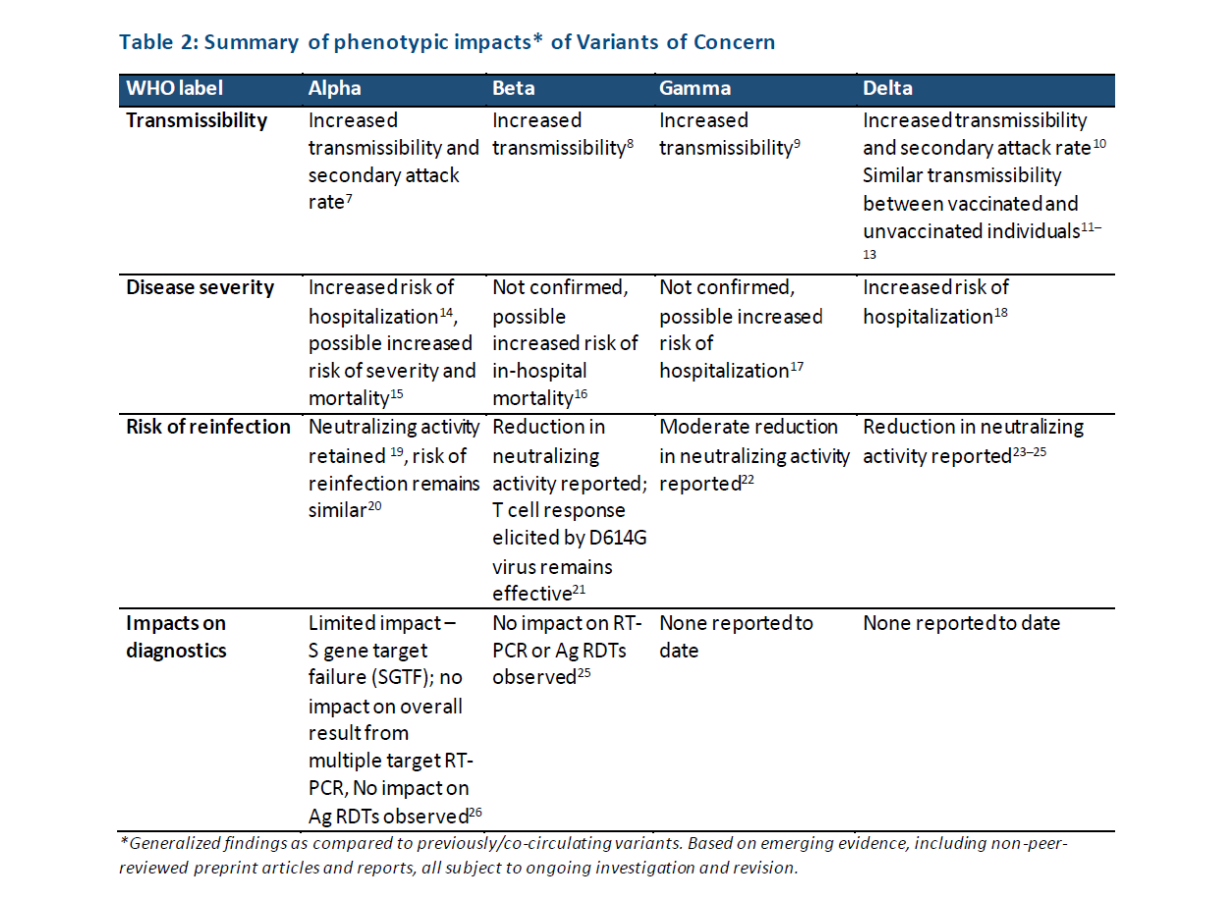
A detailed update on the phenotypic characteristics (transmissibility, disease severity, risk of reinfection, and impacts on diagnostics and vaccine effectiveness) of SARS-CoV-2 Variants of Concern (VOCs) Alpha, Beta, Gamma and Delta. It also includes updates on the geographic distribution of VOCs.

WHO’s Solidarity clinical trial enters a new phase with three new candidate drugs

Milestones :: Perspectives :: Research


WHO’s Solidarity clinical trial enters a new phase with three new candidate drugs
11 August 2021 News release
Solidarity PLUS trial for promising drugs will roll out in 52 countries, an unprecedented global collaboration for COVID-19 R&D
The World Health Organization (WHO) has announced the next phase in its Solidarity trial: Solidarity PLUS will enroll hospitalized patients to test three new drugs in hospitalized COVID-19 patients.
These therapies – artesunate, imatinib and infliximab – were selected by an independent expert panel for their potential in reducing the risk of death in hospitalized COVID-19 patients. They are already used for other indications: artesunate is used for severe malaria, imatinib for certain cancers, and infliximab for diseases of the immune system such as Crohn’s Disease and rheumatoid arthritis.
These drugs were donated for the trial by their manufacturers.
“Finding more effective and accessible therapeutics for COVID-19 patients remains a critical need, and WHO is proud to lead this global effort,” said Dr Tedros Adhanom Ghebreyesus, WHO Director-General. “I would like to thank the participating governments, pharmaceutical companies, hospitals, clinicians and patients, who have come together to do this in true global solidarity.”
The Solidarity PLUS trial is a platform trial that represents the largest global collaboration among WHO Member States. It involves thousands of researchers in over 600 hospitals in 52 countries, 16 more countries than the first phase of trials. This allows the trial to assess multiple treatments at the same time using a single protocol, recruiting thousands of patients to generate robust estimates on the effect a drug may have on mortality–even moderate effects.


::::::

Interim statement on COVID-19 vaccine booster doses
10 August 2021 Statement
WHO, with support of the Strategic Advisory Group of Experts (SAGE) on Immunization and its COVID-19 Vaccines Working Group, is reviewing the emerging evidence on the need for and timing of an additional vaccine dose (booster dose 1)  for the currently available COVID-19 vaccines which have received Emergency Use Listing (EUL). SAGE is continuously reviewing the literature and has reached out to vaccine manufacturers, the research community and Member States to obtain the most complete and recent data on the issue.

Rationale for booster doses
There are several reasons why COVID-19 vaccine booster doses may be needed:  (i) waning protection against infection or disease, in particular severe disease, over time (i.e., waning immunity), (ii) reduced protection against variant(s) of concern (VOC), or (iii) inadequate protection from the currently recommended primary series for some risk groups for which evidence from the Phase 3 clinical trials may have been lacking.  The rationale for booster doses may differ by vaccine product, epidemiological setting, risk group, and vaccine coverage rates…

…Conclusions
In the context of ongoing global vaccine supply constraints, administration of booster doses will exacerbate inequities by driving up demand and consuming scarce supply while priority populations in some countries, or subnational settings, have not yet received a primary vaccination series.  The focus for the time being remains on increasing global vaccination coverage with the primary series (either one or two doses for current EUL vaccines).

Introducing booster doses should be firmly evidence-driven and targeted to the population groups in greatest need. The rationale for implementing booster doses should be guided by evidence on waning vaccine effectiveness, in particular a decline in protection against severe disease in the general population or in high risk populations, or due to a circulating VOC. To date, the evidence remains limited and inconclusive on any widespread need for booster doses following a primary vaccination series. WHO is carefully monitoring the situation and will continue to work closely with countries to obtain the data required for policy recommendations. 


::::::

Interim statement on dose-sparing strategies for COVID-19 vaccines (fractionated vaccine doses)
10 August 2021 Statement
WHO, with support of the Strategic Advisory Group of Experts (SAGE) on Immunization and its COVID-19 Vaccines Working Group, is reviewing the role of fractionating doses as a dose-sparing strategy in light of global vaccine supply constraints. SAGE is continuously reviewing the literature and has reached out to vaccine manufacturers and the research community for available information.

Evidence for fractionated doses
All current COVID-19 vaccines have undergone dose-finding studies in their clinical development. The potential for dose-reduction may depend on the individual vaccine and its platform technology (e.g., mRNA, vectored or inactivated virus). Safety, immunogenicity and programmatic feasibility of fractionating doses has been shown and implemented for various, hitherto well characterized vaccines (e.g., polio, rabies, and yellow fever vaccines) (1, 2). Intradermal administration may enable reduction of dose volume, but intradermal application may also change the immunogenicity, safety and increase the reactogenicity profile of the vaccines. Scaling up intradermal administration at a global level would also have major programmatic challenges that would require substantial investments in training and logistics to address.

Reducing the amount of vaccine given (e.g., 1/2, 1/3 or 1/5) could theoretically be considered with various options: fractionated doses for the priming schedule, or fractionated doses for any booster doses should booster doses prove to be needed in the future.

However, policy recommendations for reducing doses should only be made after an extensive evidence review in terms of immunogenicity and safety. Emergency use listing for all COVID-19 vaccines for which SAGE has issued policy recommendations has been based on the evidence derived from Phase 3 trials using the full dose. Additional clinical studies would therefore be needed to inform policy…

…Conclusion
While SAGE acknowledges the potential public health benefits of dose-sparing strategies to increase vaccine supply and accelerate population-level vaccination coverage, and possibly also a reduction in reactogenicity, SAGE considers there is currently insufficient evidence to recommend the use of fractional doses. Any use of a fractional dose at this point in time constitutes an off-label use of the vaccine. SAGE encourages research in the area, with a particular emphasis on research into using fractionated doses as potential boosters and fractional doses in children and adolescents.  Programmatic and operational considerations should be considered from the start.


::::::

Interim statement on heterologous priming for COVID-19 vaccines
10 August 2021 Statement
WHO with support of the Strategic Advisory Group of Experts (SAGE) on Immunization and its COVID-19 Vaccines Working Group is reviewing the emerging evidence on the use of heterologous priming schedules (also known as mix and match schedules). In a heterologous priming schedule, the second dose uses a different vaccine product than the first dose. By contrast, heterologous boosting refers to the administration of a vaccine from a different vaccine platform from the vaccine that was used to complete the primary vaccine series. The interim statement here pertains only to heterologous priming and not heterologous boosting.

Rationale for Heterologous Priming
The most common reason for considering a heterologous COVID-19 vaccine as second priming dose is lack of availability of the same vaccine in settings with limited vaccine supply or unpredictable supply. Interchangeability of vaccine products would therefore allow for added programmatic flexibility. There are other reasons to investigate the utility of heterologous priming such as reducing reactogenicity, increasing immunogenicity and enhancing vaccine effectiveness. Heterologous priming should only be instituted if supportive evidence is available.

Current state of knowledge
SAGE continuously reviews new data on heterologous priming vaccine schedules.  Guidance is available in some of the product specific interim recommendations (to date, for mRNA vaccines, i.e. BNT162b2 or mRNA-1273, and ChAdOx1-S [recombinant] vaccines).

In general, for COVID-19 vaccines listed for emergency use by WHO with a 2-dose primary series schedule, WHO recommends that the same vaccine product should be used for both doses. If different COVID-19 vaccine products are inadvertently administered in the two doses, no additional doses of either vaccine are recommended. At present, mix and match schedules constitute off-label use of respective vaccines and as such should only be used if benefits outweigh the risks such as in situations of interrupted vaccine supply.

Studies to date of immune responses after a first dose of ChAdOx1-S [recombinant] products followed by an mRNA vaccine (i.e., BNT162b2 or mRNA-1273) show higher neutralising antibody levels and higher T cell-mediated immune responses in comparison with two doses of ChAdOx1-S [recombinant] products and similar levels to those of two mRNA vaccines (1). The sequence of the first dose being ChAdOx1-S [recombinant] followed by the mRNA vaccine as second dose was more immunogenic than a first dose mRNA vaccine followed by ChAdOx1-S [recombinant] vaccine.

While these studies are encouraging, they require cautious interpretation given the limited sample sizes and lack of follow up, especially related to safety data, and the uncertain relevance of immunological readouts in relation to clinical impact. The first results on short-term vaccine effectiveness (VE) against infection following a heterologous schedule have become available from Denmark showing an effectiveness of 88% (95% CI 83-92%) when combining the ChAdOx1 and an mRNA vaccine, similar to the VE of two doses of an mRNA vaccine, in a population-wide register-based study when the Alpha variant was dominant (2). More observational data on safety and effectiveness will be forthcoming.

While there are currently no data for heterologous priming with other vaccine products, a large number of clinical studies of various vaccine combinations and schedules are currently ongoing. SAGE will review these data as they become available and update the recommendations accordingly.
Status of COVID-19 Vaccines within WHO EUL/PQ evaluation process 15 July 2021

Milestones :: Perspectives :: Research


Status of COVID-19 Vaccines within WHO EUL/PQ evaluation process 15 July 2021
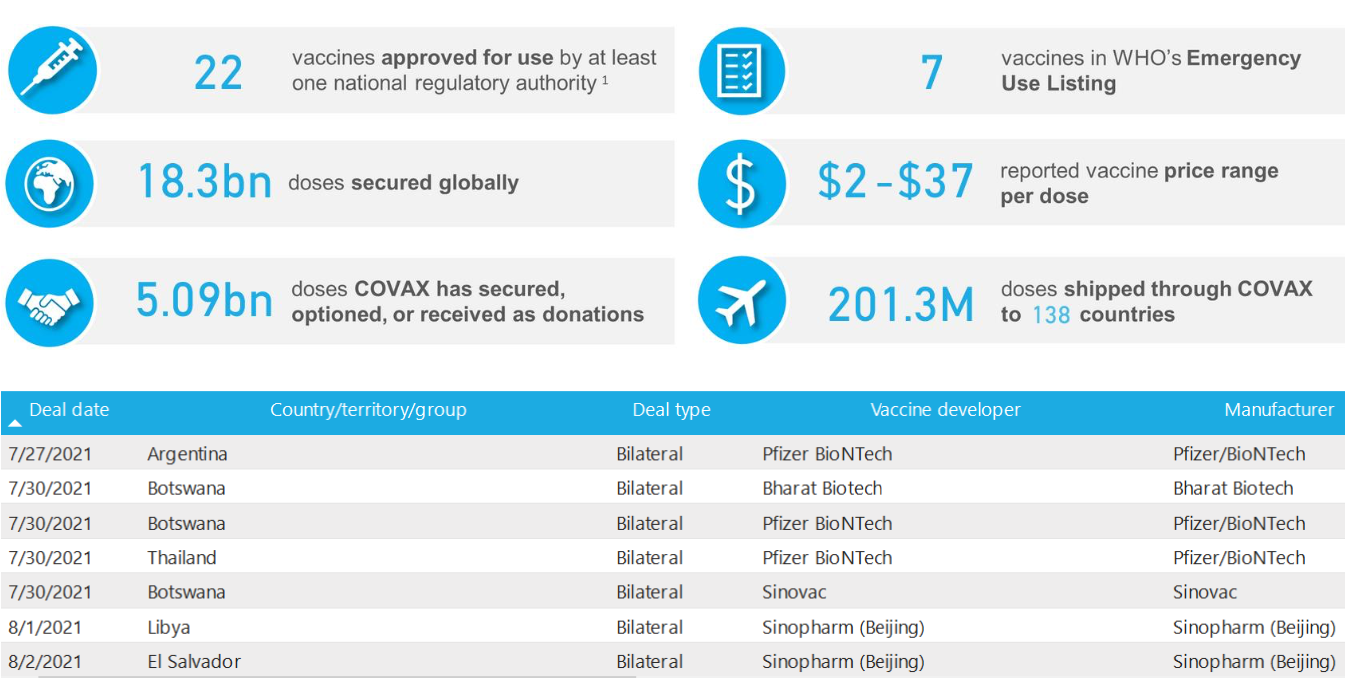
For 22 vaccine candidates, presents Manufacturer, Name of Vaccine, NRA of Record, Platform, EOI Accepted Status, Pre-submission Meeting Held Status, Dossier Accepted for Review, Status of Assessment; Anticipated/Completed Decision Date
[No update since 15 July 2021; click on the link above for full scale view]

COVID Vaccine Developer/Manufacturer Announcements [relevant press releases/announcement from organizations from WHO EUL/PQ listing above]

Milestones :: Perspectives :: Research


COVID Vaccine Developer/Manufacturer Announcements [relevant press releases/announcement from organizations from WHO EUL/PQ listing above]


AstraZeneca
Press Releases – No new digest announcements identified

BioCubaFarma – Cuba
Últimas Noticias
[Website not responding at inquiry; receiving 403=Forbidden message]]


CanSinoBIO
News
[Website not responding at inquiry]

Clover Biopharmaceuticals – China
News – No new digest announcements identified


Curevac [Bayer Ag – Germany]
News – No new digest announcements identified


Gamaleya National Center
Latest News and Events – No new digest announcements identified [See Russia/RFID below]

IMBCAMS, China
Home – No new digest announcements identified


Janssen/JNJ
Press Releases – No new digest announcements identified


Moderna
Press Releases
August 13, 2021
Moderna Announces FDA Authorization of Third Dose of COVID-19 Vaccine for Immunocompromised Individuals
AMBRIDGE, Mass.–(BUSINESS WIRE)–Aug. 13, 2021– Moderna, Inc., (Nasdaq: MRNA) a biotechnology company pioneering messenger RNA (mRNA) therapeutics and vaccines today announced that the U.S. Food and Drug Administration (FDA) has approved an update to the emergency use authorization for the Moderna COVID-19 vaccine (mRNA-1273) to include a third dose for immunocompromised individuals 18 years of age or older in the United States who have undergone solid organ transplantation, or who are diagnosed with conditions that are considered to have an equivalent level of immunocompromise…

August 12, 2021
Moderna Announces New Study Showing Its COVID-19 Vaccine Maintains Antibodies Against Variants of Concern and Interest to 6 Months

August 10, 2021
Moderna and Canada Announce Collaboration to Bring mRNA Manufacturing to Canada

August 9, 2021
Australian Therapeutic Goods Administration Grants Provisional Registration for Moderna’s COVID-19 Vaccine


Novavax
Press Releases – No new digest announcements identified


Pfizer
Recent Press Releases
08.13.2021
U.S. FDA Approves TICOVAC™, Pfizer’s Tick-Borne Encephalitis (TBE) Vaccine


Sanofi Pasteur
Press Releases – No new digest announcements identified


Serum Institute of India
NEWS & ANNOUNCEMENTS – No corporate announcements identified
[Last media release still posted is dated February 15, 2021; media release of April 21, 2021 apparently removed]


Sinopharm/WIBPBIBP
News – No new digest announcements identified


Sinovac
Press Releases
SINOVAC Announces Positive Data on Booster Shots of CoronaVac®, Induces Strong Immune Response in Adult and Elderly Populations
2021/08/10’
:: CoronaVac® generates good immune memory after second dose
:: Third dose of vaccine significantly increased neutralizing antibody levels in adults and elderly population
:: Findings indicate a third dose of CoronaVac® is well-tolerated in the elderly population
:: No serious vaccine-related adverse reactions reported
BEIJING–SINOVAC Biotech Ltd. (NASDAQ: SVA) (“Sinovac” or the “Company”), a leading provider of biopharmaceutical products in China, announced today the publication of two papers, which are available on Medrxiv. The publications detail findings from clinical studies on the immunogenicity, safety, and immune response of CoronaVac® in two- and three-dose schedules. The results indicate that a third booster dose of CoronaVac® induces a strong immune response in healthy adults with no serious adverse reactions related to the vaccine. This research provides important scientific data and supplement existing research to help policymakers develop strategies for vaccine rollout and timing of booster doses…


Vector State Research Centre of Viralogy and Biotechnology
Home – No new digest announcements identified

Zhifei Longcom, China
[Anhui Zhifei Longcom Biologic Pharmacy Co., Ltd.]
[No website identified]


::::::

GSK
Press releases for media – No new digest announcements identified


SK Biosciences
Press releases
SK bioscience’s COVID-19 Vaccine will enter Phase III clinical trial with Promising Interim Data
2021. 08. 10
:: Phase I/II stage 1 confirms 5~8 folds of neutralizing antibody titer compared to human convalescent sera
:: Acceptable safety profile… concurrently developing vaccine candidates against virus variants
:: Global collaboration enables move to Phase III clinical trial … potential for worldwide equitable vaccine access upon completion of vaccine development

The Race for Global COVID-19 Vaccine Equity

Milestones :: Perspectives :: Research


Duke – Launch and Scale Speedometer

The Race for Global COVID-19 Vaccine Equity
A flurry of nearly 200 COVID-19 vaccine candidates are moving forward through the development and clinical trials processes at unprecedented speed; more than ten candidates are already in Phase 3 large-scale trials and several have received emergency or limited authorization. Our team has aggregated and analyzed publicly available data to track the flow of procurement and manufacturing and better understand global equity challenges. We developed a data framework of relevant variables and conducted desk research of publicly available information to identify COVID vaccine candidates and status, deals and ongoing negotiations for procurement and manufacturing, COVID burden by country, and allocation and distribution plans. We have also conducted interviews with public officials in key countries to better understand the context and challenges facing vaccine allocation and distribution
[accessed 24 July 2021]
See our COVID Vaccine Purchases research
See our COVID Vaccine Manufacturing research
See our COVID Vaccine Donations & Exports research

Global Dashboard on COVID-19 Vaccine Equity

Milestones :: Perspectives :: Research


Global Dashboard on COVID-19 Vaccine Equity
The Dashboard is a joint initiative of UNDP, WHO and the University of Oxford with cooperation across the UN system, anchored in the SDG 3 Global Action Plan for Healthy Lives and Well-being for All.

Dashboard on Vaccine Equity [accessed 14 Aug 2021]: https://data.undp.org/vaccine-equity/
See also visualization on Vaccine Access and Vaccine Affordability


Coronavirus (COVID-19) Vaccinations[Accessed 14 Aug 2021]

Milestones :: Perspectives :: Research

Our World in Data
Coronavirus (COVID-19) Vaccinations[Accessed 14 Aug 2021]
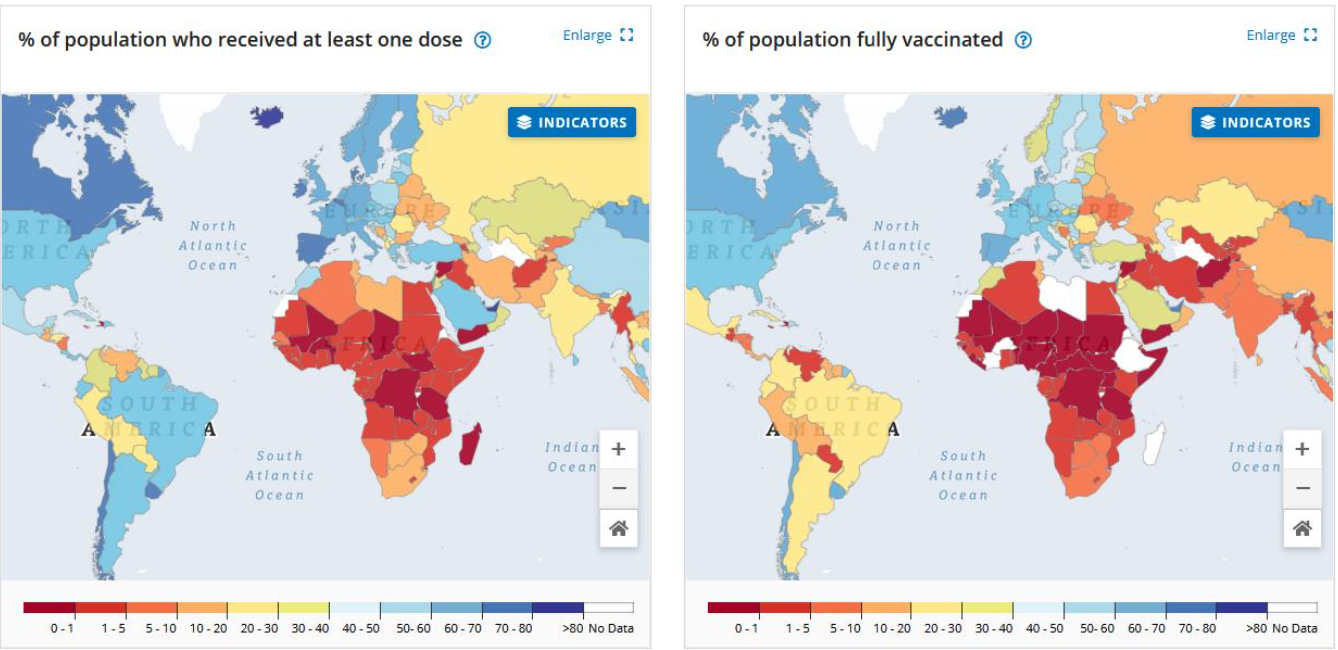
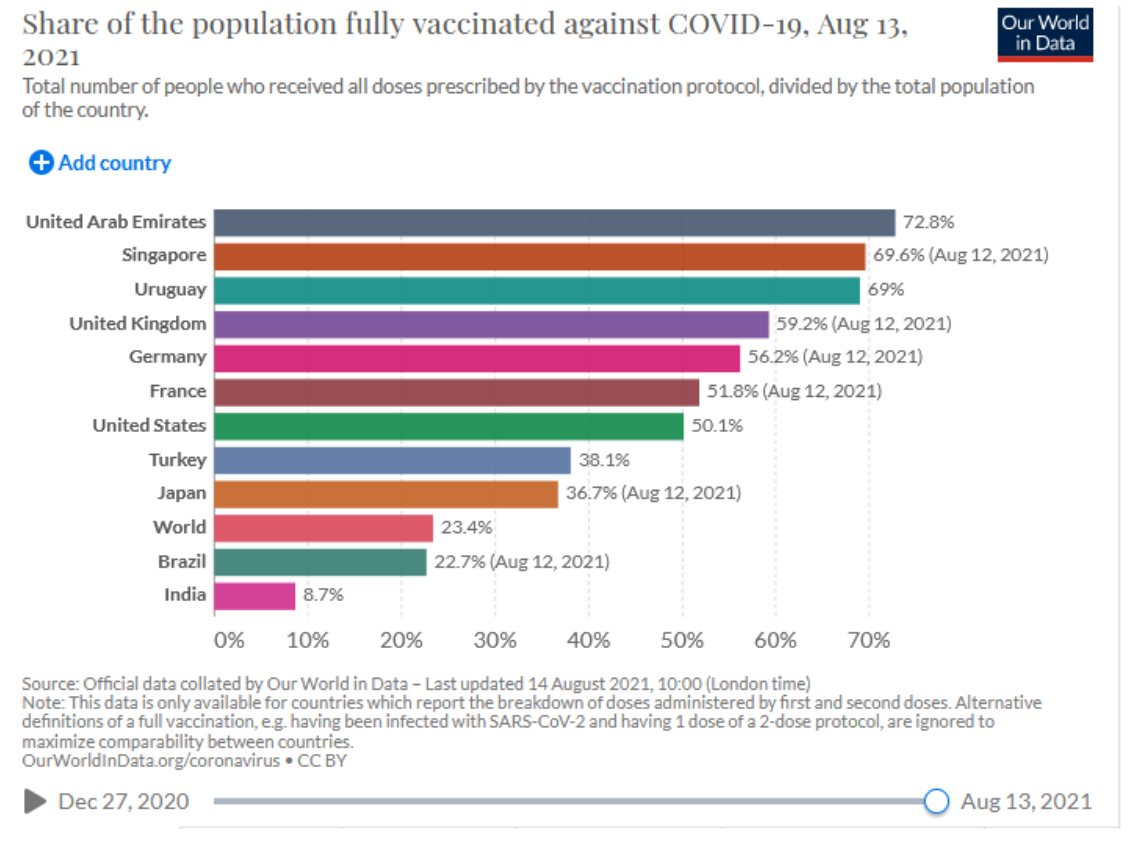
31.1% of the world population has received at least one dose of a COVID-19 vaccine, and 23.4% is fully vaccinated.
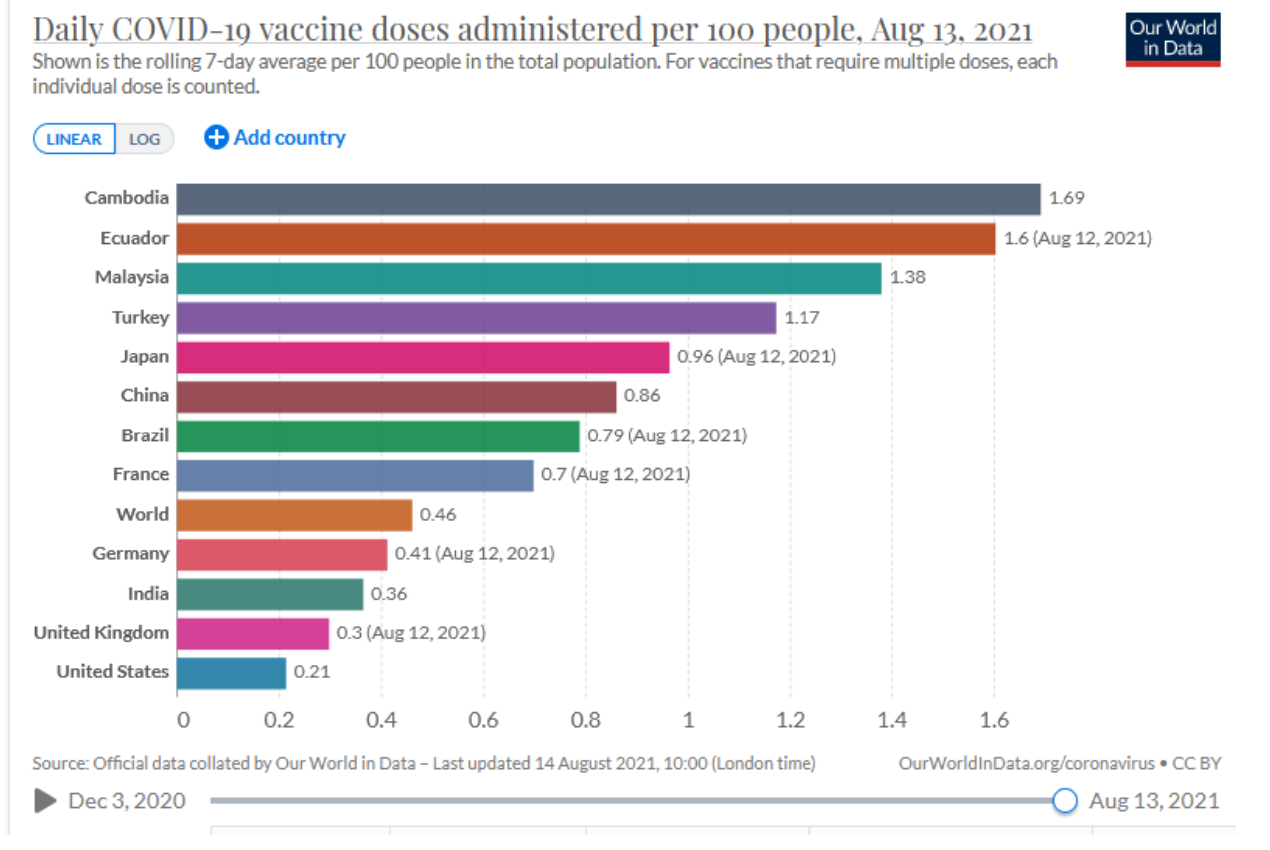
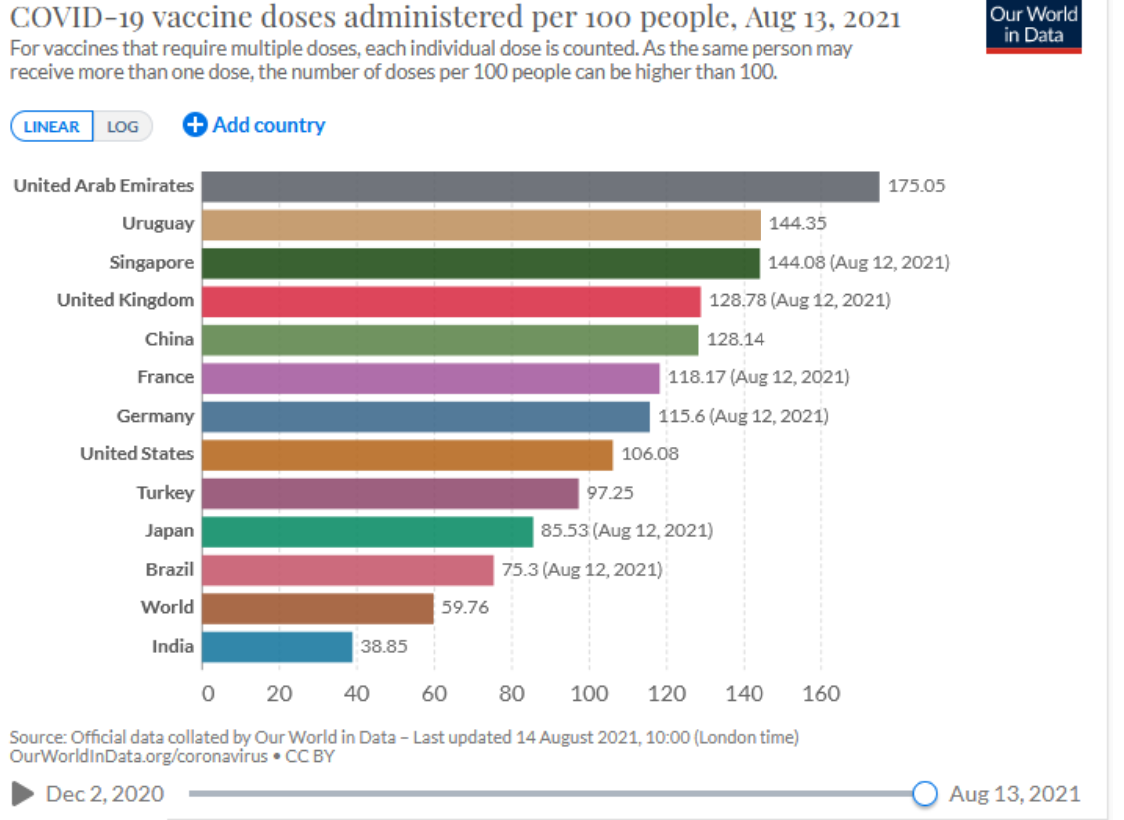
4.66 billion doses have been administered globally, and 35.85 million are now administered each day.
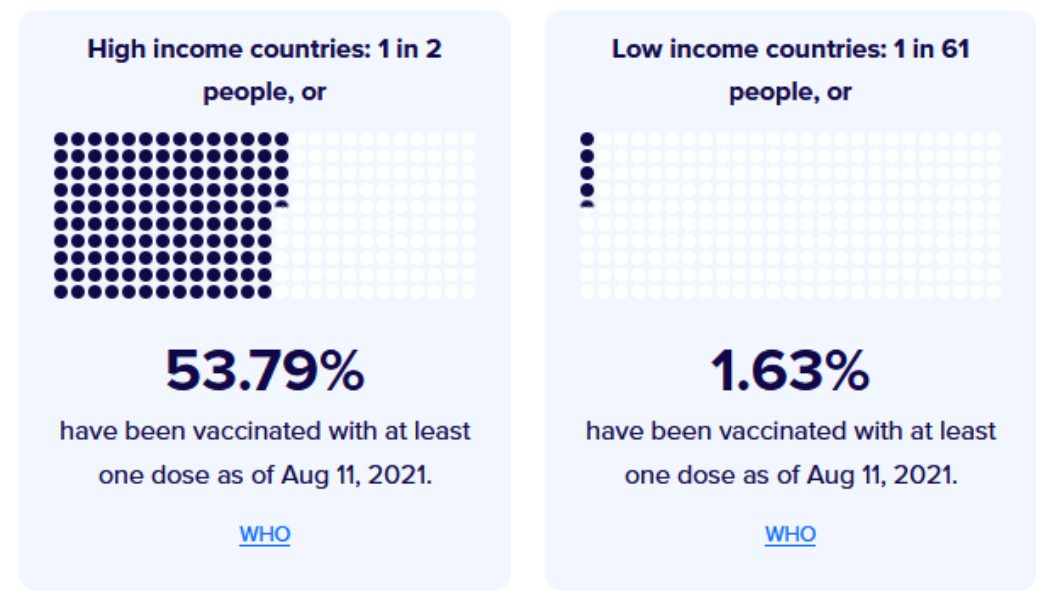
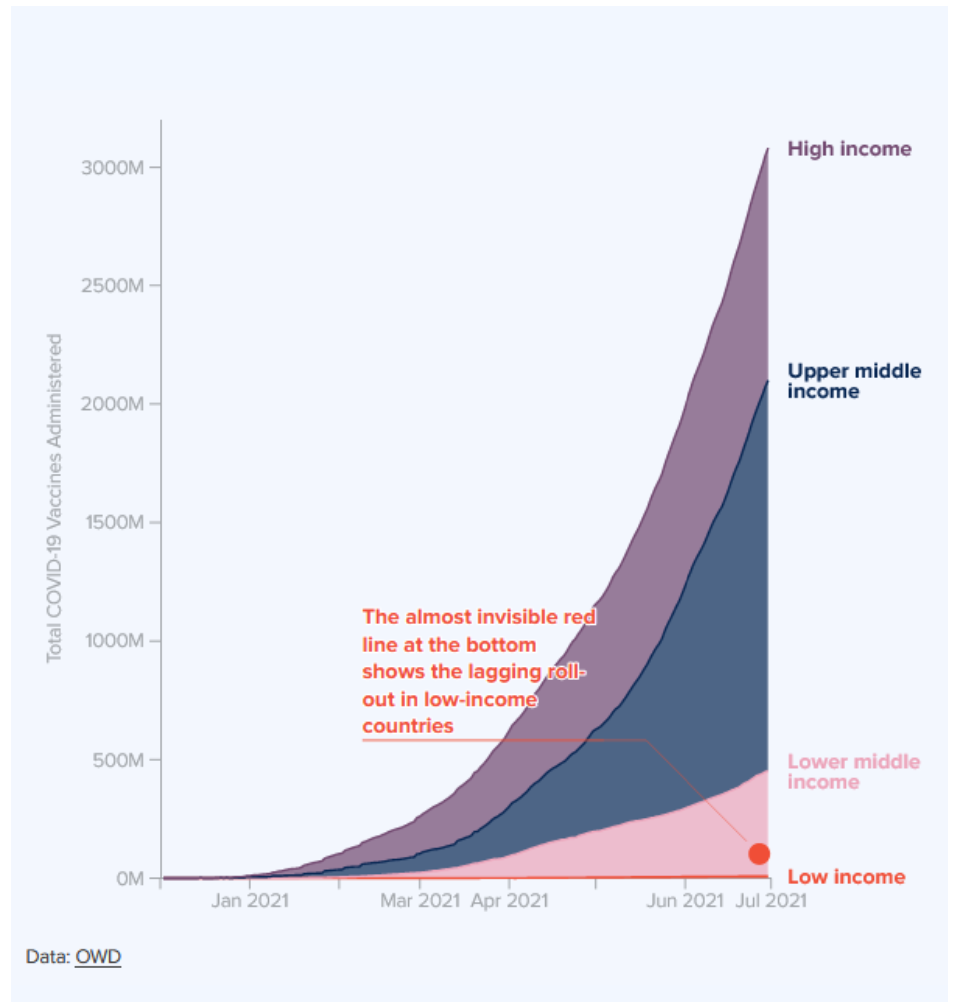
Only 1.2% of people in low-income countries have received at least one dose.


U.S.: COVID-19 Vaccines – Announcements/Regulatory Actions/Deployment

Milestones :: Perspectives :: Research


U.S.: COVID-19 Vaccines – Announcements/Regulatory Actions/Deployment

Media Statement from CDC Director Rochelle P. Walensky, MD, MPH, on Signing the Advisory Committee on Immunization Practices’ Recommendation for an Additional Dose of an mRNA COVID-19 Vaccine in Moderately to Severely Immunocompromised People
August 13, 2021
Today, I signed CDC’s Advisory Committee on Immunization Practices’ (ACIP) recommendation that endorsed the use of an additional dose of COVID-19 vaccine for people with moderately to severely compromised immune systems after an initial two-dose vaccine series.

This official CDC recommendation — which follows FDA’s decision to amend the emergency use authorizations of the vaccines — is an important step in ensuring everyone, including those most vulnerable to COVID-19, can get as much protection as possible from COVID-19 vaccination.

Emerging data suggest some people with moderately to severely compromised immune systems do not always build the same level of immunity compared to people who are not immunocompromised. In addition, in small studiespdf icon, fully vaccinated immunocompromised people have accounted for a large proportion of hospitalized breakthrough cases (40-44%). Immunocompromised people who are infected with SARS CoV-2 are also more likely to transmit the viruspdf icon to household contacts.

While people who are immunocompromised make up about 3% of the U.S. adult population, they are especially vulnerable to COVID-19 because they are more at risk of serious, prolonged illness. Included in CDC’s recommendation are people with a range of conditions, such as recipients of organ or stem cell transplants, people with advanced or untreated HIV infection, active recipients of treatment for cancer, people who are taking some medications that weaken the immune system, and others.  A full list of conditions can be found on CDC’s website. The additional dose of an mRNA COVID-19 vaccine should be the same vaccine as the initial series and administered at least four weeks after completing a primary mRNA COVID-19 vaccine series.  While vaccination is likely to increase protection in this population, even after vaccination, people who are immunocompromised should continue follow current prevention measures (including wearing a mask, staying 6 feet apart from others they do not live with, and avoiding crowds and poorly ventilated indoor spaces) to protect themselves and those around them against COVID-19 until advised otherwise by their healthcare provider. CDC does not recommend additional doses or booster shots for any other population at this time…

CDC ACIP :: Meeting of August 13, 2021
Final Agenda – August 13, 2021pdf icon
Presentation Slides – August 13, 2021

New CDC Data: COVID-19 Vaccination Safe for Pregnant People
August 11,2021
CDC has released new data on the safety of the COVID-19 vaccines in pregnant people and is recommending all people 12 years of age and older get vaccinated against COVID-19.
“CDC encourages all pregnant people or people who are thinking about becoming pregnant and those breastfeeding to get vaccinated to protect themselves from COVID-19,” said CDC Director Dr. Rochelle Walensky. “The vaccines are safe and effective, and it has never been more urgent to increase vaccinations as we face the highly transmissible Delta variant and see severe outcomes from COVID-19 among unvaccinated pregnant people.”…

Coronavirus (COVID-19) Update: FDA Authorizes Additional Vaccine Dose for Certain Immunocompromised Individuals – FDA
August 12,2021
Today, the U.S. Food and Drug Administration amended the emergency use authorizations (EUAs) for both the Pfizer-BioNTech COVID-19 Vaccine and the Moderna COVID-19 Vaccine to allow for the use of an additional dose in certain immunocompromised individuals, specifically, solid organ transplant recipients or those who are diagnosed with conditions that are considered to have an equivalent level of immunocompromise…
“The country has entered yet another wave of the COVID-19 pandemic, and the FDA is especially cognizant that immunocompromised people are particularly at risk for severe disease. After a thorough review of the available data, the FDA determined that this small, vulnerable group may benefit from a third dose of the Pfizer-BioNTech or Moderna Vaccines,” said Acting FDA Commissioner Janet Woodcock, M.D. “Today’s action allows doctors to boost immunity in certain immunocompromised individuals who need extra protection from COVID-19. As we’ve previously stated, other individuals who are fully vaccinated are adequately protected and do not need an additional dose of COVID-19 vaccine at this time. The FDA is actively engaged in a science-based, rigorous process with our federal partners to consider whether an additional dose may be needed in the future.”…

Vaccines and Related Biological Products Advisory Committee– FDA
:: No meetings scheduled


::::::

White House [U.S.]
Briefing Room – Selected Major COVID Announcements
Fact Sheet: Biden Administration Takes Steps to Address COVID-⁠19 in Rural America and Build Rural Health Back Better
August 13, 2021 • Statements and Releases

Press Briefing by White House COVID-⁠19 Response Team and Public Health Officials
August 12, 2021 • Press Briefings

Readout of President Biden’s Meeting with Business, University and Health Care Leaders on COVID-⁠19 Vaccination Requirements
August 11, 2021 • Statements and Releases

Statement by President Joe Biden on COVID-⁠19 Vaccines for Service Members
August 09, 2021 • Statements and Releases