Vaccines and Global Health: The Week in Review is a weekly digest summarizing news, events, announcements, peer-reviewed articles and research in the global vaccine ethics and policy space. Content is aggregated from key governmental, NGO, international organization and industry sources, key peer-reviewed journals, and other media channels. This summary proceeds from the broad base of themes and issues monitored by the Center for Vaccine Ethics & Policy in its work: it is not intended to be exhaustive in its coverage. You are viewing the blog version of our weekly digest, typically comprised of between 30 and 40 posts below all dated with the current issue date
.– Request anEmail Summary:Vaccines and Global Health : The Week in Review is published as a single email summary, scheduled for release each Saturday evening before midnight (EDT in the U.S.). If you would like to receive the email version, please send your request to david.r.curry@centerforvaccineethicsandpolicy.org.
– pdf version: A pdf of the current issue is available here:
– blog edition: comprised of the approx. 35+ entries posted below.
– Twitter:Readers can also follow developments on twitter: @vaxethicspolicy. . – Links: We endeavor to test each link as we incorporate it into any post, but recognize that some links may become “stale” as publications and websites reorganize content over time. We apologize in advance for any links that may not be operative. We believe the contextual information in a given post should allow retrieval, but please contact us as above for assistance if necessary.
Support this knowledge-sharing service:Your financial support helps us cover our costs and to address a current shortfall in our annual operating budget. Click here to donate and thank you in advance for your contribution.
. David R. Curry, MS Executive Director Center for Vaccine Ethics and Policy
We now call on the African Union to build on the current momentum gained with the legal deposition of instrument of ratification of the Treaty by the minimum required 15 AU Member States, to prepare for the practical implementation of the Agency, ensuring the following critical elements:
The African Medicines Agency Governing Board to recognise patients as key partners in the management structures and development of the Agency.
A solid governance structure is put in place and a seamless transition from the AMRH to the AMA is ensured.
Robust regulatory infrastructures continue to be strengthened in all African Union Member States and at regional level.
A Secretariat is formed, and its location is decided without undue delay.
The African Medicines Agency is equipped with adequate human resource capacity to operationalise its mandate.
The African Medicines Agency Governing Board to set up a framework of engagement with non-state actors and to draw upon all available expertise from academia, research bodies, private sector and community and patient groups to provide technical guidance on specific areas. A sustainable funding model is implemented to ensure short and long term stability of the Agency at the time of its inception.
We congratulate the 15 Member States of the African Union that completed the process of ratification and invite all remaining AU Member States to follow in their footsteps.
COVID-19 has demonstrated that health security will only be achieved through concerted efforts and cross-border collaboration.
We thus call on all AU Heads of State to seize this historic opportunity to have one regulatory affairs oversight across the Continent to enhance national, regional and continental regulation of medical products and oversee rapid and effective market authorization of safe, quality, effective and accessible medical products, for the good of all African people. Download the statement
CEPI announces first funding awards in quest to develop ‘variant-proof’ COVID-19 vaccines
OSLO, Norway, 4 November 2021: CEPI, the Coalition for Epidemic Preparedness Innovations, today announced the first funding awards under its $200m programme to advance the development of vaccines that provide broad protection against SARS-CoV-2 variants and other betacoronaviruses [1]. CEPI will support researchers at two institutions, MigVax Ltd, Israel, and the University of Saskatchewan’s (USask) Vaccine and Infectious Disease Organization (VIDO), Canada, as they seek to establish preclinical proof of concept for novel vaccines suitable for use in low-and middle-income countries that are broadly protective against COVID-19 variants.
Under the first awards made in response to a Call for Proposals issued in March 2021: – CEPI will provide funding of US$4.3m to MigVax Ltd to support the initial development of a new orally administered subunit vaccine tablet. -CEPI will provide funding of US$5m to the University of Saskatchewan’s Vaccine and Infectious Disease Organization to support the initial development of a new vaccine based on VIDO’s novel protein subunit technology.
Both projects aim to establish preclinical proof of concept for ‘variant-proof’ vaccines that protect against new COVID-19 variants of concern. The vaccine platforms may also be applicable for developing vaccines which are protective against a broad range of betacoronaviruses, as well as other pathogens in the CEPI portfolio, including ‘Disease X’ – unknown pathogens with pandemic potential that have yet to emerge. CEPI’s investments in MigVax Ltd and USask’s VIDO will fund antigen and candidate selection, vaccine formulation, manufacturing process development, and preclinical testing against SARS-CoV-2 variants of concern.
CEPI is committed to the principle of equitable access to the vaccines it funds. Under the terms of the funding agreements, MigVax Ltd and USask’s VIDO have committed to achieving equitable access to the outputs of these projects, in line with CEPI’s Equitable Access Policy.
[Excerpt] CEPI’s Policy Regarding Equitable Access
CEPI is committed to achieving equitable access to the outputs of all CEPI-supported programmes
including vaccines, platforms, data, results, and materials.
Equitable access to epidemic vaccines in the context of an outbreak means that appropriate vaccines are first available to populations when and where they are needed to end an outbreak or curtail an epidemic, regardless of ability to pay.
CEPI will facilitate equitable access to epidemic vaccines by:
1. Funding the development of vaccines and maintaining investigational stockpiles, to be used
free of charge when an outbreak occurs
2. Coordinating with others in the global health community to enable licensure of vaccines
funded by CEPI, including by securing resources for pivotal clinical trials
3. Collaborating with others in the global health community to ensure the procurement,
allocation, deployment and administration of licensed vaccines to protect global health, at a
price that does not limit equitable access and is sustainable to the manufacturer
CEPI will also ensure open access to data, results and publications arising from its funding and
facilitate access to materials to accelerate vaccine development. The commitment to equitable access guides all CEPI investments and funding agreements
4. Health.
Recognizing that vaccines are among the most important tools against the pandemic, and reaffirming that extensive COVID-19 immunization is a global public good, we will advance our efforts to ensure timely, equitable and universal access to safe, affordable, quality and effective vaccines, therapeutics and diagnostics, with particular regard to the needs of low- and middle-income countries.
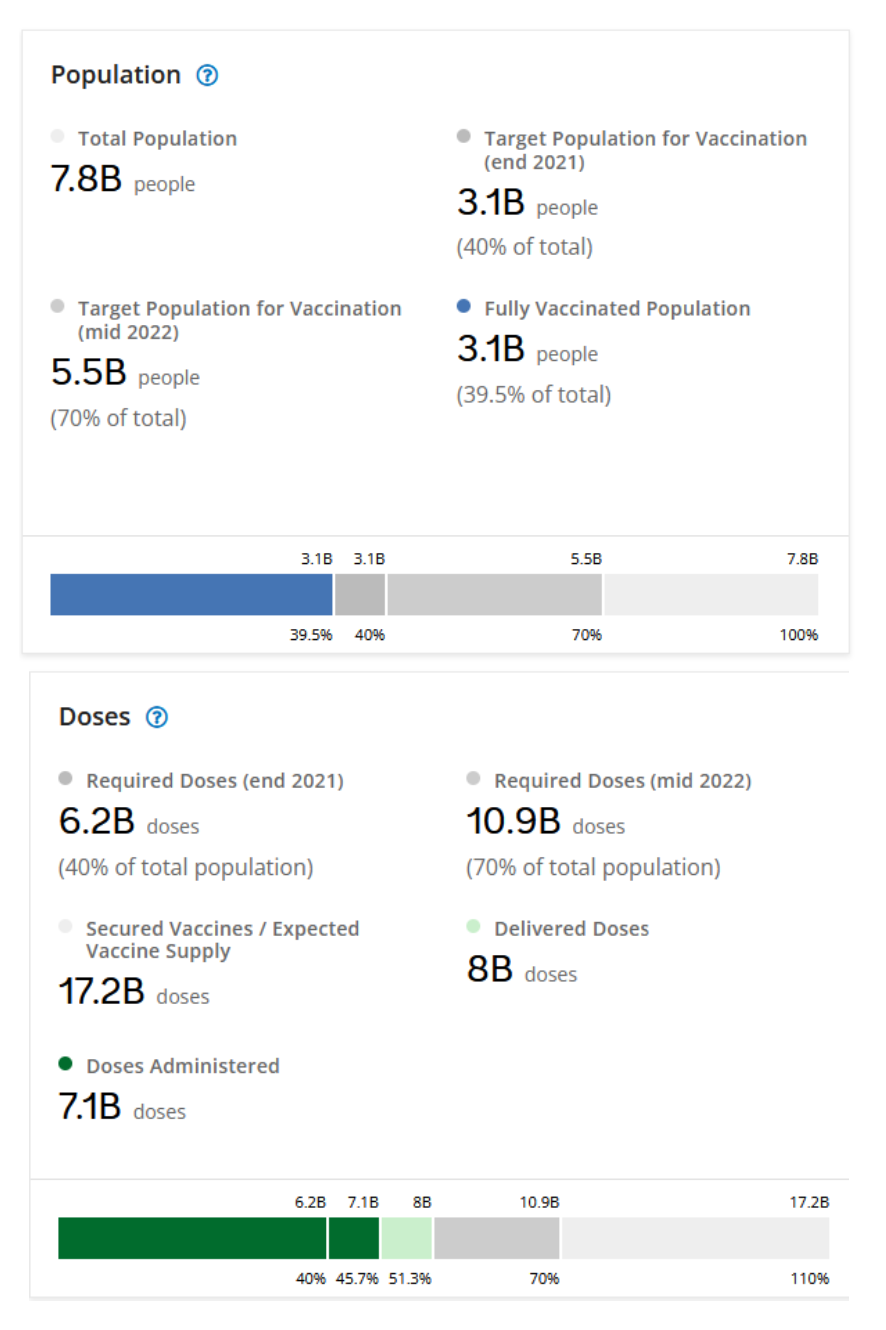
To help advance toward the global goals of vaccinating at least 40 percent of the population in all countries by the end of 2021 and 70 percent by mid-2022, as recommended by the World Health Organization (WHO)’s global vaccination strategy, we will take steps to help boost the supply of vaccines and essential medical products and inputs in developing countries and remove relevant supply and financing constraints. We ask our Health Ministers to monitor progress toward this end and to explore ways to accelerate global vaccination as necessary.
5. We will reinforce global strategies to support research and development as well as to ensure their production and swift and equitable distribution worldwide, also by strengthening supply chains and by expanding and diversifying global vaccine manufacturing capacity at local and regional level, while promoting vaccine acceptance, confidence and fighting disinformation.
To this end, we commit to refrain from WTO inconsistent export restrictions and to increase transparency and predictability in the delivery of vaccines. We reiterate our support to all pillars of the ACT-Accelerator, including COVAX, and will continue to improve its effectiveness. We support the extension of ACT-A’s mandate throughout 2022 and acknowledge the formation of the Multilateral Leaders Task Force on COVID-19. We welcome the work undertaken by the COVAX ACT-A Facilitation Council Vaccine Manufacturing Working Group and its report aimed at creating a broader base for vaccine manufacturing.
In particular, we will support increasing vaccine distribution, administration and local manufacturing capacity in LMICs, including through technology transfer hubs in various regions, such as the newly established mRNA Hubs in South Africa, Brazil and Argentina, and through joint production and processing arrangements.
We will work together towards the recognition of COVID-19 vaccines deemed safe and efficacious by the WHO and in accordance with national legislation and circumstances, and to strengthen the organization’s ability regarding approval of vaccines, including optimizing procedures and processes, with the aim of broadening the list of vaccines authorized for emergency use (EUL), while continuing to protect public health and ensuring privacy and data protection.
As a collective G20 effort, and in light of the enduring vaccination gaps, we commit to substantially increase the provision of and access to vaccines, as well as to therapeutics and diagnostics. We will enhance our efforts to ensure the transparent, rapid and predictable delivery and uptake of vaccines where they are needed.
We call on the private sector and on multilateral financial institutions to contribute to this endeavor. We acknowledge the work of the World Bank Group in this respect and of the IMF and the WHO through the vaccine supply forecast dashboard…
WHO issues emergency use listing for eighth COVID-19 vaccine
3 November 2021 News release
Today, the World Health Organization (WHO) issued an emergency use listing (EUL) for COVAXIN® (developed by Bharat Biotech), adding to a growing portfolio of vaccines validated by WHO for the prevention of COVID-19 caused by SARS-CoV-2.
WHO’s EUL procedure assesses the quality, safety and efficacy of COVID-19 vaccines and is a prerequisite for COVAX vaccine supply. It also allows countries to expedite their own regulatory approval to import and administer COVID-19 vaccines.
“This emergency use listing expands the availability of vaccines, the most effective medical tools we have to end the pandemic,” said Dr Mariângela Simão, WHO Assistant-Director General for Access to Medicines and Health Products. ‘But we must keep up the pressure to meet the needs of all populations, giving priority to the at-risk groups who are still waiting for their first dose, before we can start declaring victory.”
COVAXIN® was assessed under the WHO EUL procedure based on the review of data on quality, safety, efficacy, a risk management plan and programmatic suitability. The Technical Advisory Group (TAG), convened by WHO and made up of regulatory experts from around the world, has determined that the vaccine meets WHO standards for protection against COVID-19, that the benefit of the vaccine far outweighs risks and the vaccine can be used globally.
The vaccine is formulated from an inactivated SARS-CoV-2 antigen and is presented in single dose vials and multidose vials of 5, 10 and 20 doses.
COVAXIN® was also reviewed on 5 October by WHO’s Strategic Advisory Group of Experts on Immunization (SAGE), which formulates vaccine specific policies and recommendations for vaccines’ use in populations (i.e. recommended age groups, intervals between doses, specific groups such as pregnant and lactating women).
The SAGE recommended use of the vaccine in two doses, with a dose interval of four weeks, in all age groups 18 and above. COVAXIN® was found to have 78% efficacy against COVID-19 of any severity, 14 or more days after the second dose, and is extremely suitable for low- and middle-income countries due to easy storage requirements.
Available data from clinical trials on vaccination of pregnant women are insufficient to assess vaccine safety or efficacy in pregnancy; however, initial studies were reassuring. The vaccine has been given to over 120 000 pregnant women in India, with no short-term adverse effects noted. Further studies in pregnant women are planned…
::::::
Medical Product Alert N°7/2021: Falsified COVID-19 Vaccine AstraZeneca
4 November 2021 Medical product alert
This WHO Medical Product Alert refers to falsified COVID-19 VACCINE AstraZeneca (ChAdOx1-S [recombinant]) identified in the Islamic Republic of Iran and reported to WHO in October 2021. The genuine manufacturer of COVID-19 VACCINE AstraZeneca (ChAdOx1-S [recombinant]) has indicated that the product is falsified. The falsified product was reported at the patient level outside authorized and regulated supply chains and authorized immunization programmes in the Islamic Republic of Iran…
Medical Product Alert N°6/2021: Falsified Pfizer-BioNTech COVID-19 Vaccine
4 November 2021 Medical product alert
This WHO Medical Product Alert refers to one lot of falsified Pfizer-BioNTech COVID-19 Vaccine identified in the Islamic Republic of Iran and reported to WHO in October 2021. The genuine manufacturer of Pfizer-BioNTech COVID-19 Vaccine has confirmed that the product listed in this Alert is falsified. The falsified product was reported at the patient level outside authorized and regulated supply chains and authorized vaccination programmes in the Islamic Republic of Iran…
Weekly epidemiological update on COVID-19 – 2 November 2021
WHO Overview
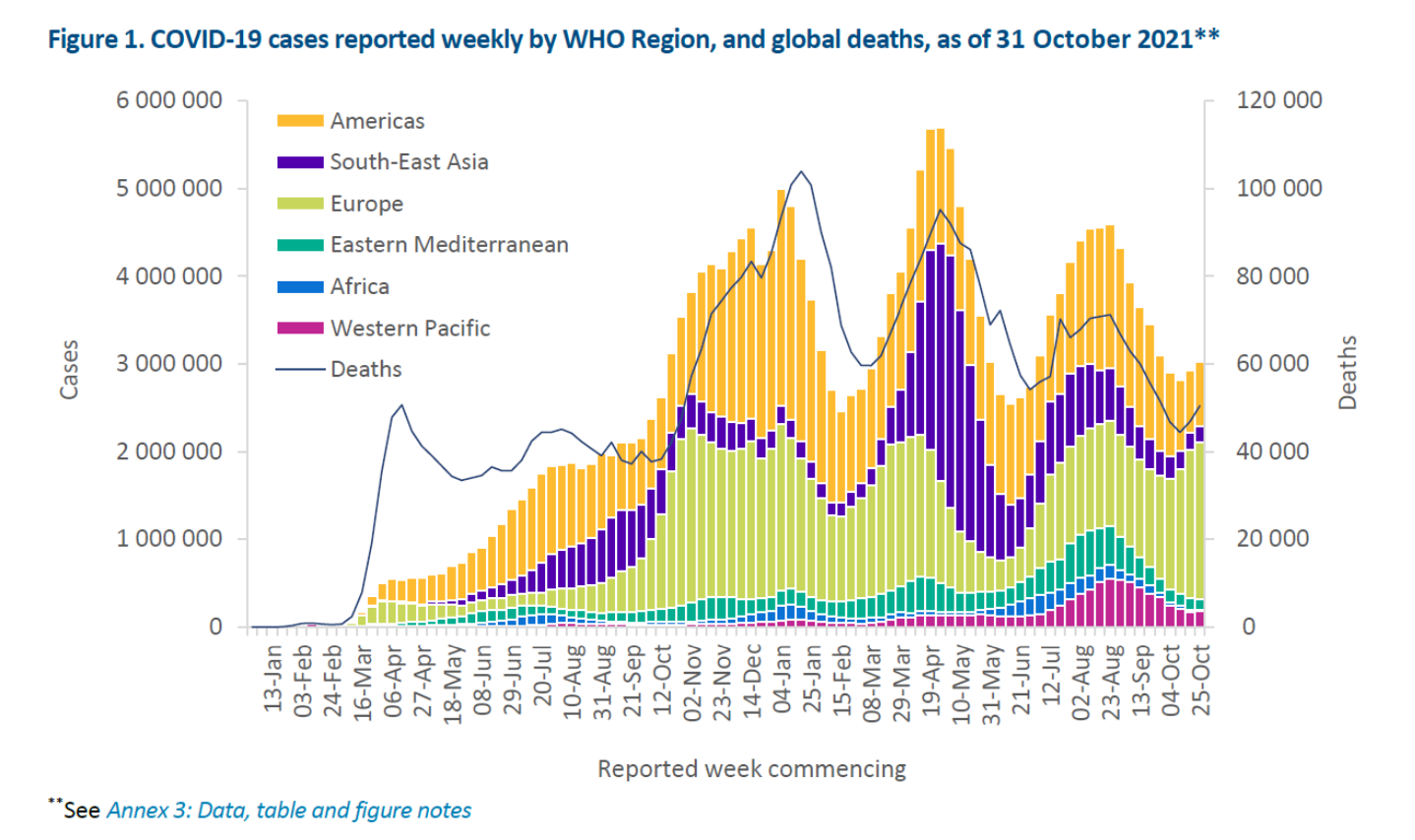
During the week 25 to 31 October 2021, a slight upward trend in new weekly cases was observed, with just over 3 million new cases reported. Apart from the European Region, which reported a 6% increase in new weekly cases as compared to the previous week, other regions reported declines or stable trends. New weekly deaths increased by 8% as compared with the previous week, with over 50 000 new fatalities. Cumulatively, over 246 million confirmed cases and nearly 5 million deaths have been reported.
In this edition, we provide updates on the geographic distribution of SARS-CoV-2 Variants of Concern (VOCs), and summarise their phenotypic characteristics (transmissibility, disease severity, risk of reinfection, and impacts on diagnostics and vaccine performance) based on published studies.
WHO Director General Speeches [selected] https://www.who.int/director-general/speeches Selected 4 November 2021 Speech WHO Director-General’s remarks at the opening session of the VIII Global Baku Forum entitled “The World After COVID-19” – 4 November 2021
4 November 2021 Speech WHO Director-General’s opening remarks at the media briefing on COVID-19 – 4 November 2021
More than 5 million deaths have now been reported, and we know the real number is higher. Last week, 56 countries, from all regions, reported an increase in deaths from COVID-19 of more than 10%.
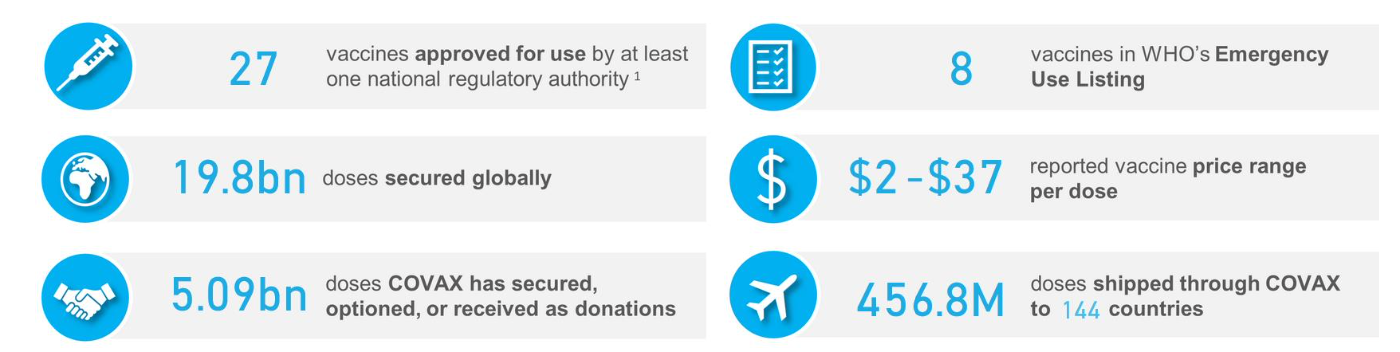
Yesterday we added another new tool, with the Emergency Use Listing of Covaxin, the 8th vaccine to receive WHO validation for safety, efficacy and quality. We continue to call on manufacturers of vaccines that already have WHO Emergency Use Listing to prioritize COVAX, not shareholder profit. No more vaccines should go to countries that have already vaccinated more than 40% of their population, until COVAX has the vaccines it needs to help other countries get there too.
The world was not prepared for COVID-19 – and we knew we weren’t prepared. In 2018, WHO and the World Bank formed the Global Preparedness Monitoring Board – the GPMB – an independent panel of experts to identify gaps in the world’s defences, and make recommendations on how to close them.
The GPMB published its third report last week. Instead of making more recommendations, the GPMB is calling the world to act on the recommendations it has already made, which are more relevant now than before the pandemic, but on which there remains little action.
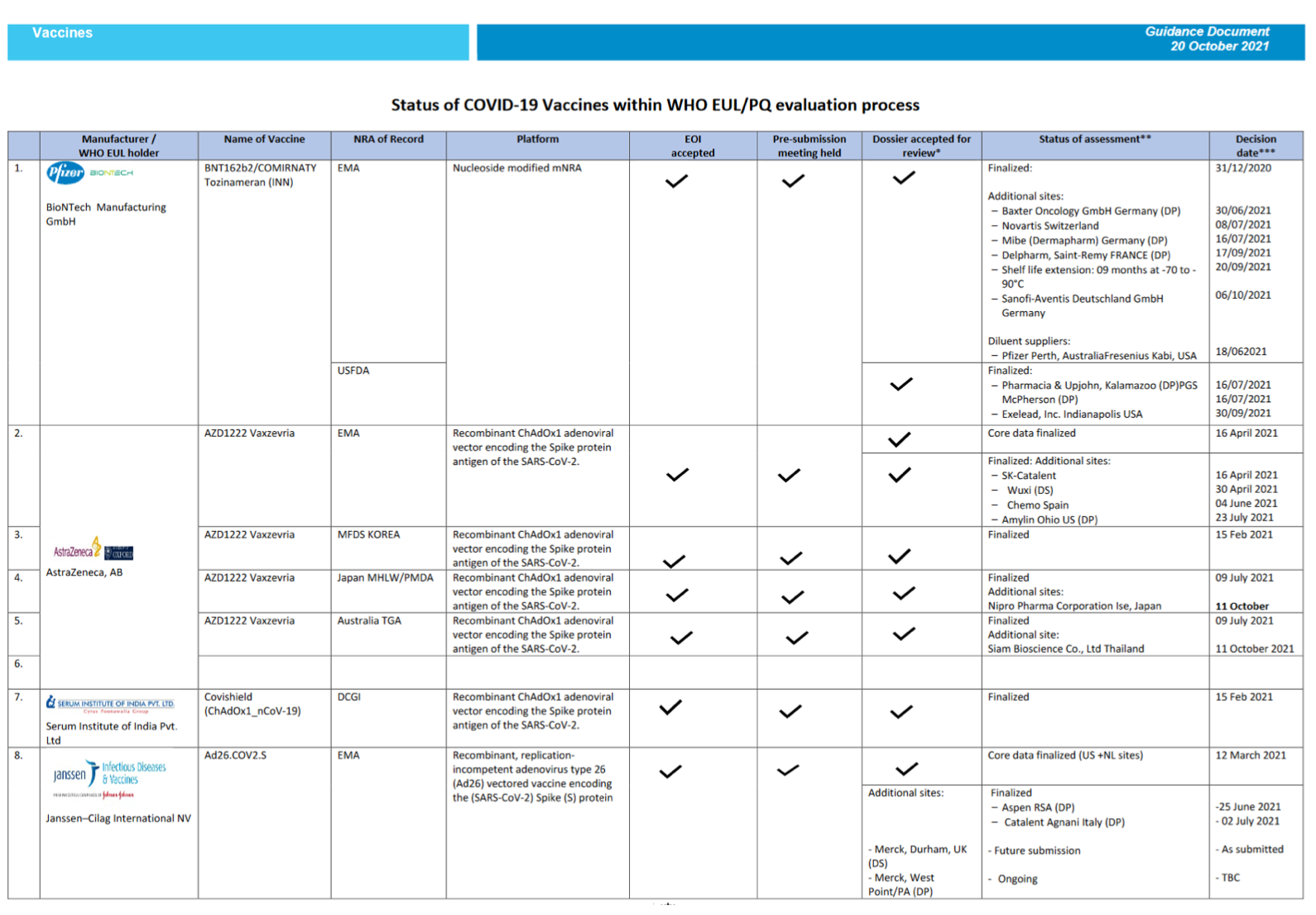
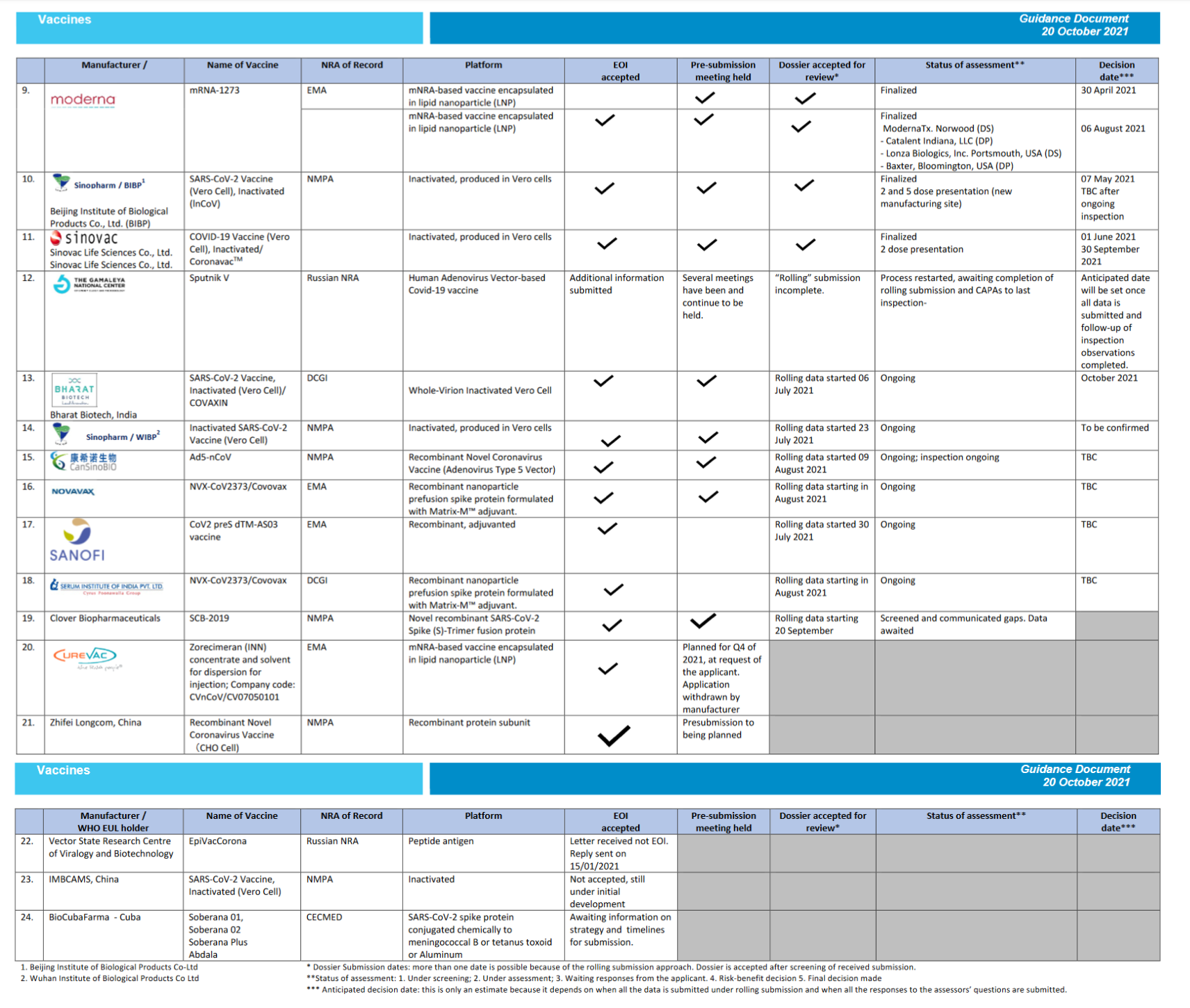
Status of COVID-19 Vaccines within WHO EUL/PQ evaluation process 20 October 2021
For 23 vaccine candidates, presents Manufacturer, Name of Vaccine, NRA of Record, Platform, EOI Accepted Status, Pre-submission Meeting Held Status, Dossier Accepted for Review, Status of Assessment; Anticipated/Completed Decision Date [Full scale view available at title ling above]
::::::
COVID Vaccine Developer/Manufacturer Announcements [relevant press releases/announcement from organizations from WHO EUL/PQ listing above]
AstraZeneca Press Releases– No new digest announcements identified
CanSinoBIO News– [Website not responding at inquiry]
Clover Biopharmaceuticals – China News – No new digest announcements identified
Curevac [Bayer Ag – Germany] News – No new digest announcements identified
Gamaleya National Center Latest News and Events – No new digest announcements identified [See Russia/RFID below]
IMBCAMS, China Home– No new digest announcements identified
Janssen/JNJ Press Releases – No new digest announcements identified
Moderna Press Releases Moderna Provides Update on Timing of U.S. Emergency Use Authorization of its COVID-19 Vaccine for Adolescents CAMBRIDGE, Mass.–(BUSINESS WIRE)–Oct. 31, 2021– Moderna, Inc. (Nasdaq: MRNA), a biotechnology company pioneering messenger RNA (mRNA) therapeutics and vaccines, today provided an update that the U.S. Food and Drug Administration (FDA) has notified the Company that it will require additional time to complete its assessment of Moderna’s Emergency Use Authorization (EUA) request for the use of the Moderna COVID-19 vaccine (mRNA-1273) at the 100 µg dose level in adolescents 12 to 17 years of age. On Friday evening, the FDA informed Moderna that the agency requires additional time to evaluate recent international analyses of the risk of myocarditis after vaccination. The FDA notified Moderna that this review may not be completed before January 2022. The safety of vaccine recipients is of paramount importance to Moderna. The Company is fully committed to working closely with the FDA to support their review and is grateful to the FDA for their diligence…
Merck News releases Merck and Ridgeback’s Molnupiravir, an Oral COVID-19 Antiviral Medicine, Receives First Authorization in the World October 29, 2021 :: U.K.’s Medicines and Healthcare Products Regulatory Agency Authorizes Molnupiravir for the Treatment of Mild-to-Moderate COVID-19 in Adults With a Positive SARS-CoV-2 Diagnostic Test and Who Have at Least One Risk Factor for Developing Severe Illness :: Applications Remain Under Review by Other Regulatory Authorities, Including U.S. Food and Drug Administration and the European Medicines Agency
Novartis News – No new digest announcements identified
SK Biosciences Press releases– No new digest announcements identified
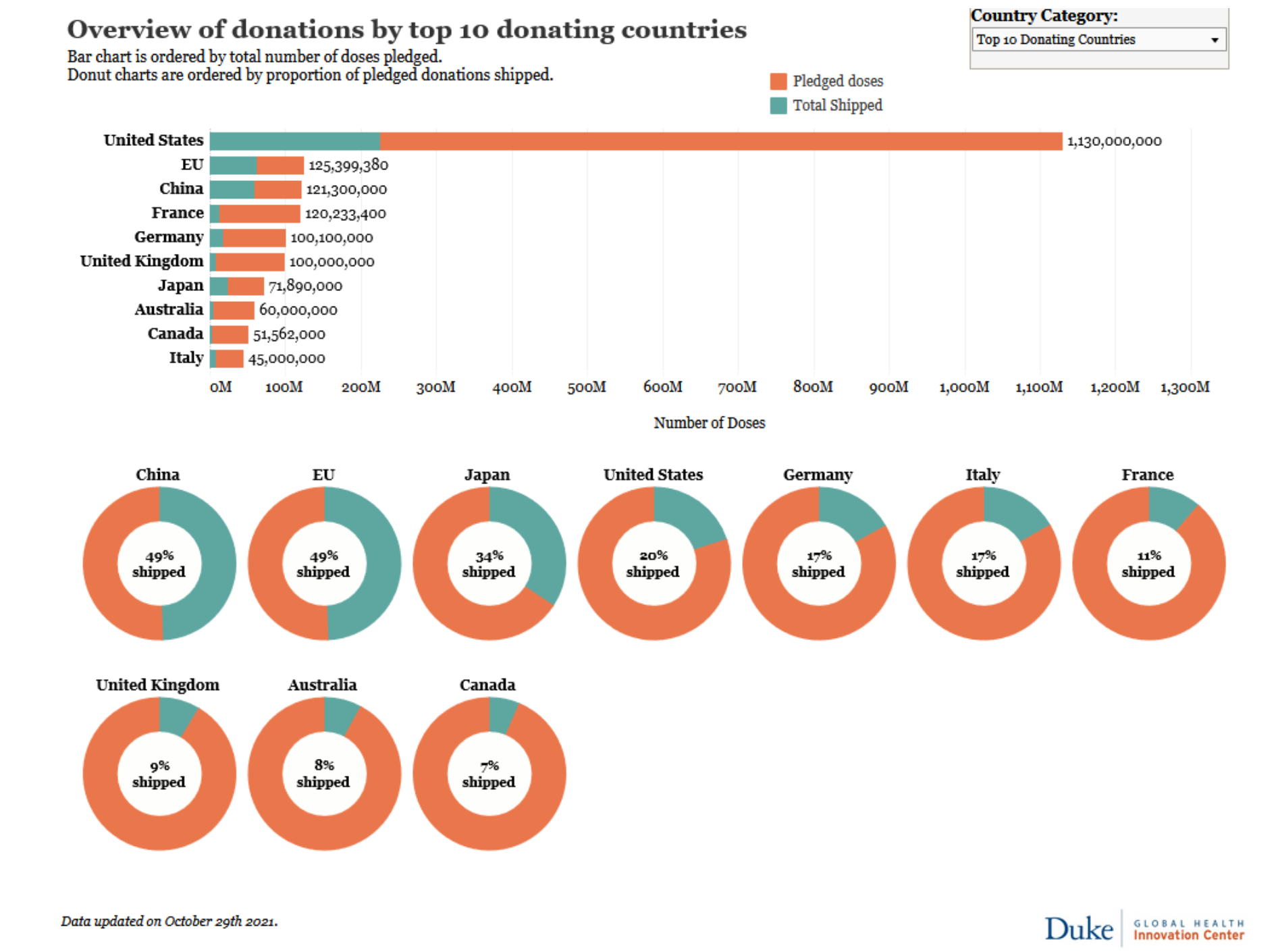
Duke – Launch and Scale Speedometer The Race for Global COVID-19 Vaccine Equity A flurry of nearly 200 COVID-19 vaccine candidates are moving forward through the development and clinical trials processes at unprecedented speed; more than ten candidates are already in Phase 3 large-scale trials and several have received emergency or limited authorization. Our team has aggregated and analyzed publicly available data to track the flow of procurement and manufacturing and better understand global equity challenges. We developed a data framework of relevant variables and conducted desk research of publicly available information to identify COVID vaccine candidates and status, deals and ongoing negotiations for procurement and manufacturing, COVID burden by country, and allocation and distribution plans. We have also conducted interviews with public officials in key countries to better understand the context and challenges facing vaccine allocation and distribution [accessed 24 July 2021] See our COVID Vaccine Purchases research See our COVID Vaccine Manufacturing research See our COVID Vaccine Donations & Exports research
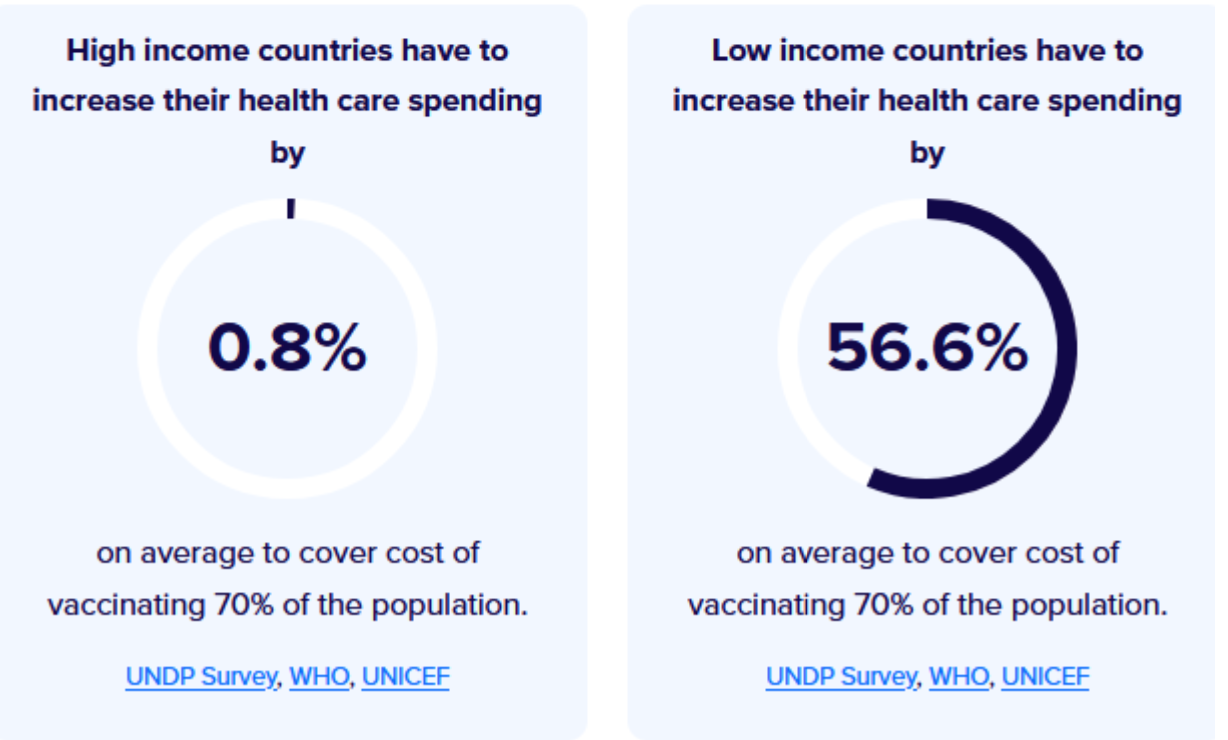
Global Dashboard on COVID-19 Vaccine Equity The Dashboard is a joint initiative of UNDP, WHO and the University of Oxford with cooperation across the UN system, anchored in the SDG 3 Global Action Plan for Healthy Lives and Well-being for All.
COVID-19 Data Explorer: Global Humanitarian Operations COVID-19 Vaccine Roll-out 06 Nov 2021 | COVAX (WHO,GAVI,CEPI), UNDESA, Press Reports | DATA Global COVID-19 Figures: 248M total confirmed cases; 5.0M total confirmed deaths Global vaccines administered: 7.23B
Number of Countries: 30 [29 week ago]
COVAX Allocations Round 4-6 (Number of Doses): 120M [120M week ago]
COVAX Delivered (Number of Doses): 130M [120M week ago]
Other Delivered (Number of Doses): 230M [210M week ago]
Total Delivered (Number of Doses): 360M [330M week ago]
Total Administered (Number of Doses): 300M [270M week ago]
Multilateral Leaders Task Force on COVID-19 [IMF, World Bank Group, WHO, WTO] A joint initiative from the International Monetary Fund, World Bank Group, World Health Organization, and World Trade Organization to accelerate access to COVID-19 vaccines, therapeutics and diagnostics by leveraging multilateral finance and trade solutions, particularly in low- and middle-income countries. Website accessed 06 Nov 2021: https://data.covid19taskforce.com/data The global view below is complemented by country-specific dashboards here.
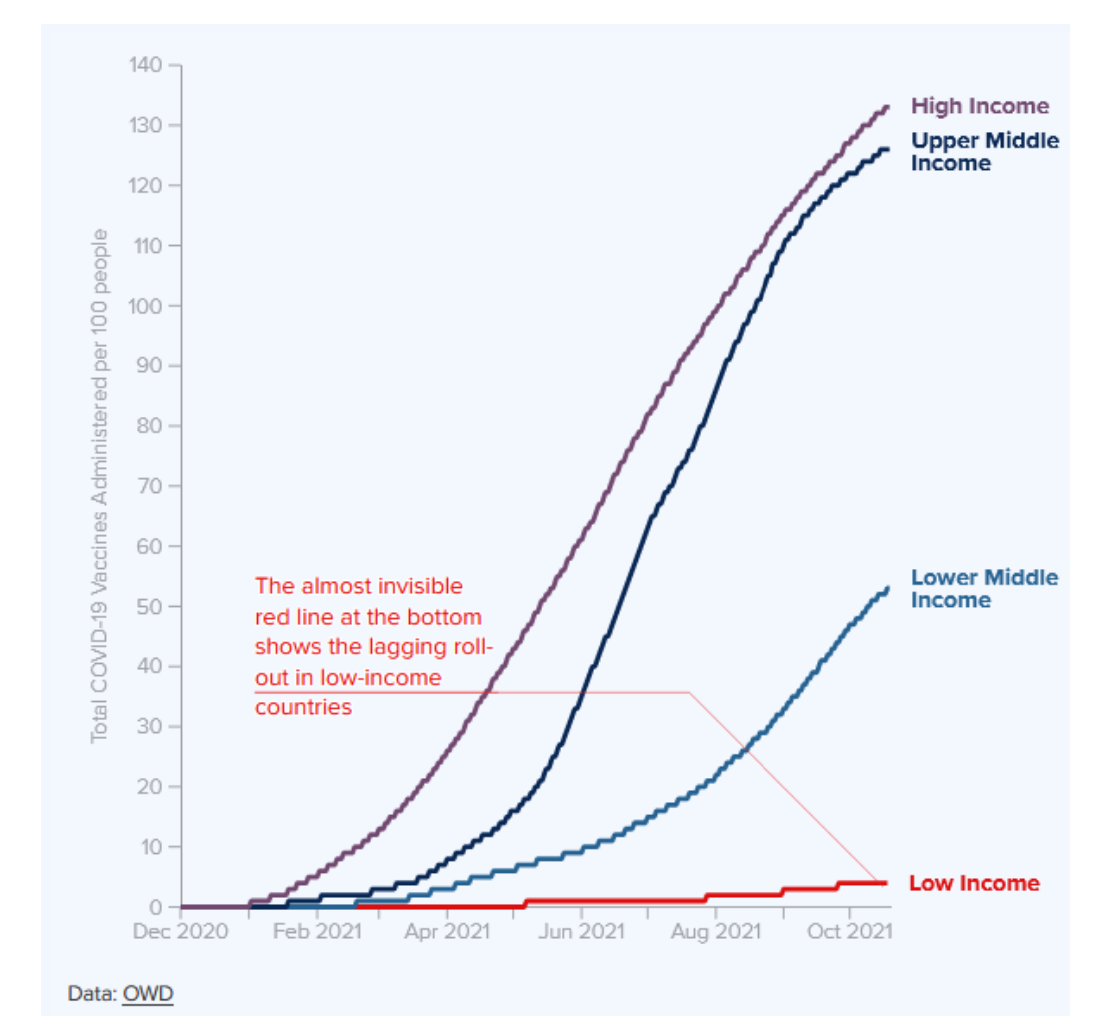
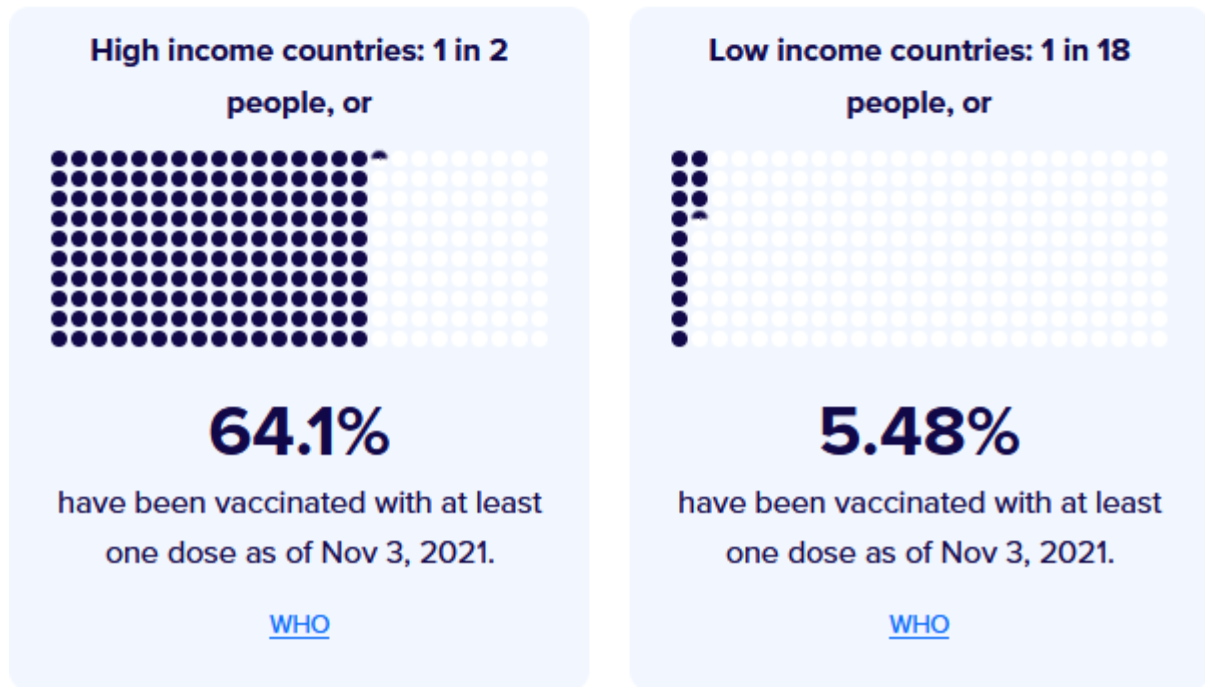
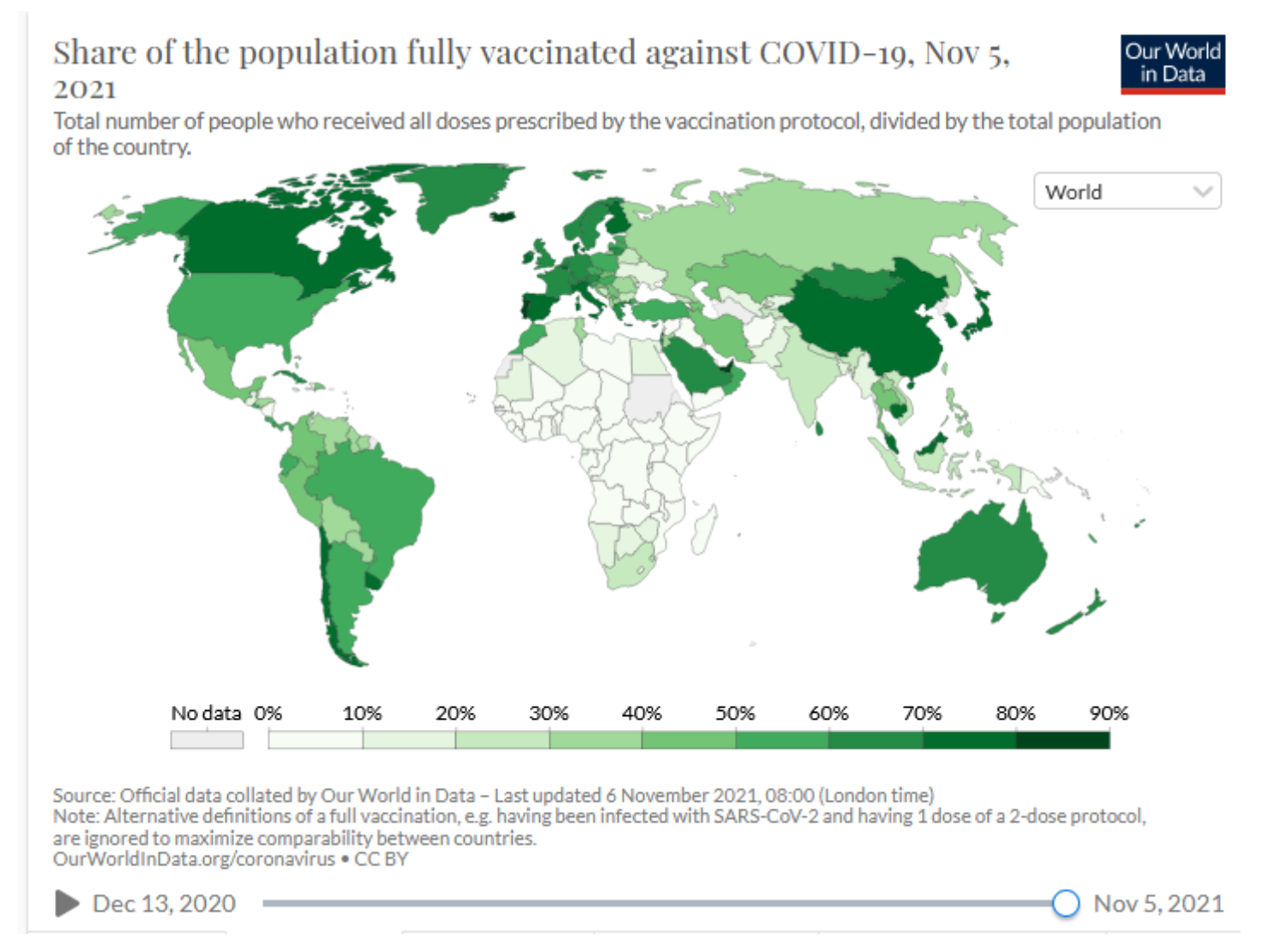
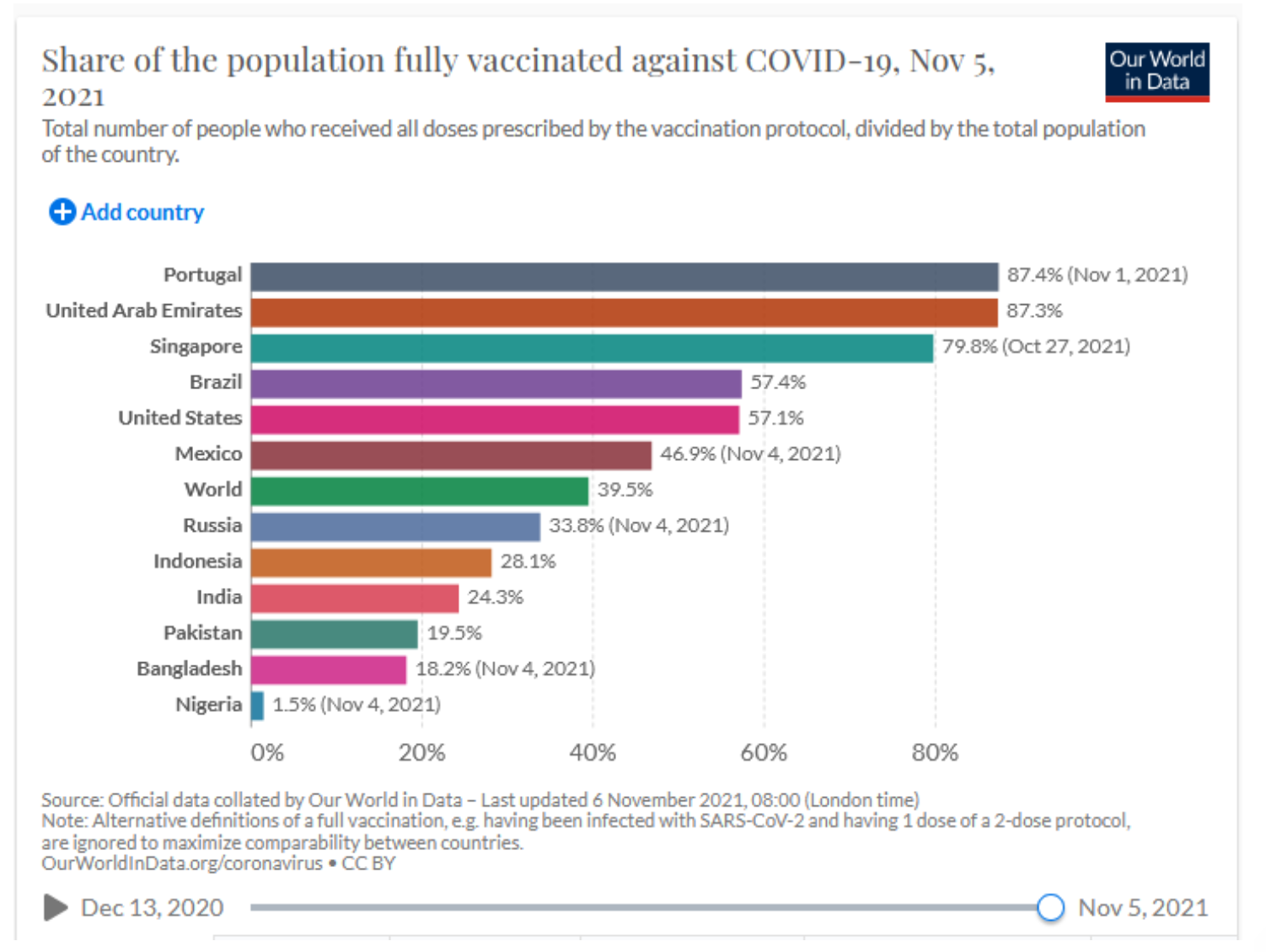
Our World in Data Coronavirus (COVID-19) Vaccinations[Accessed 06 Nov 2021] :: 50.2% of the world population has received at least one dose of a COVID-19 vaccine. :: 7.23 billion doses have been administered globally, and 28.99 million are now administered each day. :: Only 4.1% of people in low-income countries have received at least one dose.
FDA Press Announcements November 5, 2021 – Coronavirus (COVID-19) Update: November 5, 2021 :: Today, Friday, November 5, 2021, the FDA authorized the use, under the EUA for the Janssen COVID-19 Vaccine, of two additional batches of vaccine drug substance manufactured at the Emergent facility…
:: On Monday, November 1, 2021, Acting FDA Commissioner Janet Woodcock, M.D. and the Director of FDA’s Center for Biologics Evaluation and Research Peter Marks, M.D., Ph.D., discussed the FDA’s EUA of the Pfizer-BioNTech COVID-19 Vaccine for children 5 through 11 years of age. Health care professionals, patient advocacy groups, trade associations, consumer organizations, national immunization organizations and state and local public health organizations were invited to the call. To watch the video, visit the FDA’s YouTube channelExternal Link Disclaimer.
European Medicines Agency News & Press Releases News: EMA ends rolling review of the antibodies bamlanivimab and etesevimab for COVID-19 following withdrawal by Lilly (new) CHMP, Last updated: 02/11/2021
::::::
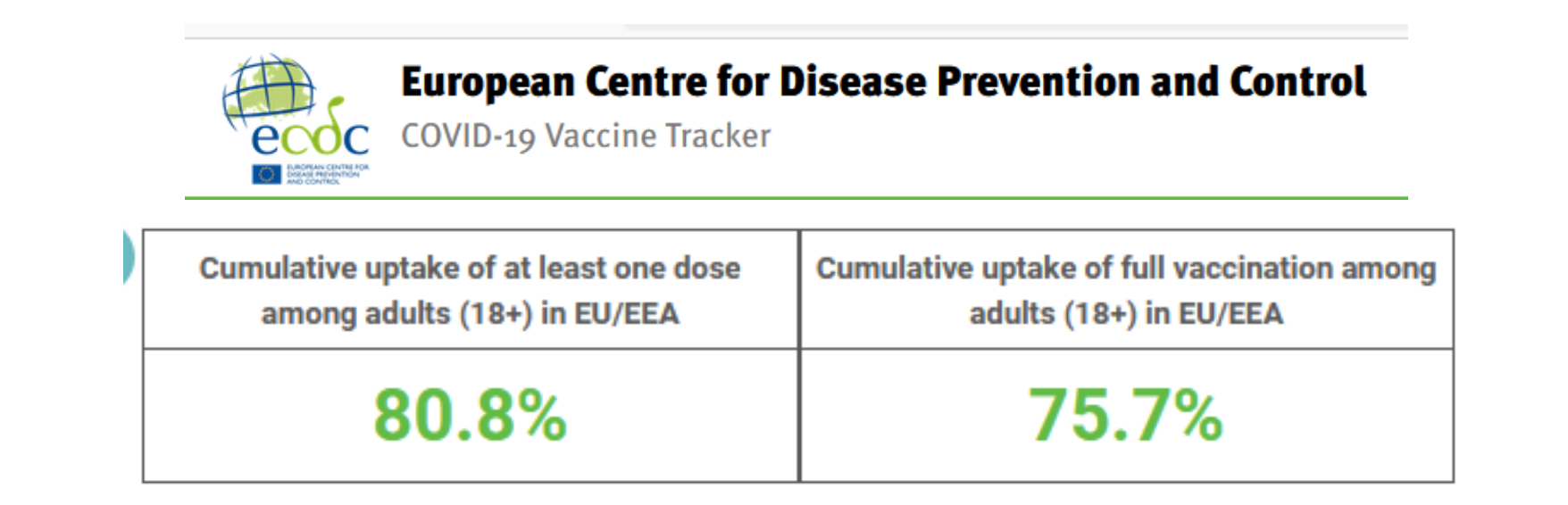
European Centre for Disease Prevention and Control https://www.ecdc.europa.eu/en Latest Updates No new digest content identified.
Press release 2 November 2021 COP26: European Commission announces €1 billion pledge to protect world forests
European Commission President Ursula von der Leyen announced today €1 billion at the 26th UN Climate Change Conference of the Parties (COP26) in Glasgow as the European Union contribution to the Global Forests pledge.
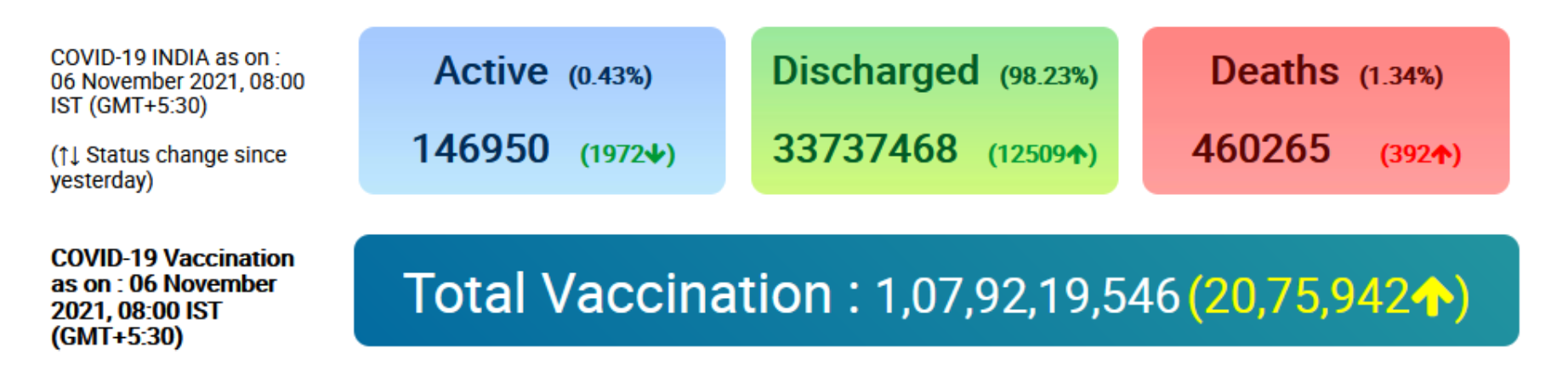
Government of India – Press Information Bureau Latest Press Releases India’s Cumulative COVID-19 Vaccination Coverage exceeds 107.92 Cr Recovery Rate at 98.23% is highest since March 2020
10,929New Cases reported in the last 24 hours
India’s Active Caseload(1,46,950) is lowest in 255 days
Weekly Positivity Rate (1.27%) less than 2% for last 43 days
Posted On: 06 NOV 2021 9:48AM by PIB Delhi
Booster shots recommended
2021-11-04
China’s leading pulmonologists affirmed the effectiveness of COVID-19 vaccine booster shots and warned that elderly people should pay more attention to disease prevention, as many of them have not yet been vaccinated
Xi calls for enhancing vaccine accessibility, affordability in developing countries
2021-11-02
China is ready to work with all parties to enhance vaccine accessibility and affordability in developing countries and make positive contribution to building a global line of defense through vaccination, President Xi Jinping said on Saturday.
Xi calls for advancing mutual recognition of COVID-19 vaccines
2021-11-02
President Xi Jinping on Saturday called for equal treatment of different vaccines and advancing mutual recognition of vaccines in accordance with the World Health Organization’s Emergency Use Listing.
Polio this week as of 03 November 2021
:: The newly launched PIM Identification tool is a digital version of the PIM Guidance – 2nd edition allowing facilities worldwide to efficiently assess if the samples stored or handled are considered potentially infectious materials for polioviruses. Facilities utilizing this tool are encouraged to report their findings to their National Poliovirus Containment Coordinator (NPCC), National Certification Committee for Poliomyelitis Eradication (NCC), National Task Force for containment (NTF) or responsible national authority, using the form: Web Annex C. For more information on the tool, please contact: containment@who.int
:: “I am excited that both vaccines are accessible as they would encourage many people who bring their children for the polio vaccine to receive the COVID-19 vaccine. As a parent, I would not like to have a child that is paralyzed,” Says Joan Ewah, during a polio vaccination campaign that was leveraged by integrating COVID-19 vaccination in Cross River State, Nigeria
Summary of new WPV and cVDPV viruses this week (AFP cases and ES positives): – Cameroon: one cVDPV2 case – DR Congo: one cVDPV2 cases – Niger: two cVDPV2 cases – Nigeria: eight cVDPV2 cases and five positive environmental samples
:::::: ::::::
WHO/OCHA Emergencies
Health emergencies list– WHO
“The health emergencies list details the disease outbreaks, disasters and humanitarian crises where WHO plays an essential role in supporting countries to respond to and recover from emergencies with public health consequences.” Afghanistan crisis[Last apparent update: 5 Aug 2021]
Northern Ethiopia Ethiopia – Northern Ethiopia Humanitarian Update Situation Report, 4 Nov 2021 HIGHLIGHTS
No humanitarian supplies have arrived into Tigray since 18 October.
Movement of humanitarian workers in and out of Tigray by road has been denied since 28 October, while movement within Amhara and Afar regions is restricted.
Lack of fuel significantly reduced life-saving operations in Northern Ethiopia, including water trucking, food distribution, nutrition, health and protection services.
Only nine of 46 WASH partners were able to operate during the reporting period in Tigray, and at reduced capacity.
Only 20,000 people received food assistance in Amhara during the reporting period due to access constraints.
WHO & Regional Offices [to 06 Nov 2021] https://www.who.int/ Selected News, Statements 5 November 2021 Note for Media FAO/WHO Joint Media Advisory: Codex Alimentarius Commission
4 November 2021 Departmental news Director-General’s Global Health Leaders Award for Annette Kennedy, President of the International Council of Nurses
4 November 2021 Medical product alert Medical Product Alert N°7/2021: Falsified COVID-19 Vaccine AstraZeneca [See COVID above for detail]
4 November 2021 Medical product alert Medical Product Alert N°6/2021: Falsified Pfizer-BioNTech COVID-19 Vaccine [See COVID above for detail]
3 November 2021 Departmental news Innovative diagnostics are key to achieving the 2030 targets for neglected tropical diseases
3 November 2021 News release WHO issues emergency use listing for eighth COVID-19 vaccine [See COVID above for detail]
3 November 2021 Departmental news Interim guidance for use of the Bharat BBV152 Covaxin vaccine published
3 November 2021 Departmental news WHO issues a new compendium of data and evidence-related tools for use in TB planning and programming
2 November 2021 Departmental news Urgent need for vaccine to prevent deadly Group B streptococcus
New WHO Publications [Selected] https://www.who.int/publications/i Selected Titles
4 November 2021 Key planning recommendations for mass gatherings in the context of COVID-19 Overview
The purpose of this document is to provide guidance to host governments, health authorities and national or international event organizers on taking decisions related to holding mass gatherings in the context of the COVID-19 pandemic, and on decreasing the risks of SARS-CoV-2 transmission and strain on health systems associated with such events, through dedicated precautionary measures.
The information contained in this document includes considerations for the practical planning and management of mass gatherings, as well as technical recommendations derived from WHO guidance on specific aspects; these have been consolidated and tailored to facilitate their application to the context of mass gatherings.
This is the fourth version (third update) of this interim document. First published on 14 February 2020 as Key planning recommendations for mass gatherings in the context of the current COVID-19 outbreak , it has been updated on 19 March 2020 and on 29 May 2020 prior to this version. The current version of all WHO information products and publications is authoritative.
CDC/ACIP [U.S.] [to 06 Nov 2021] http://www.cdc.gov/media/index.html https://www.cdc.gov/vaccines/acip/index.html Latest News Releases, Announcements [Selected] Importance of One Health for COVID-19 and Future Pandemics
Wednesday, November 3, 2021
Today marks the sixth annual One Health Day, a global campaign that highlights the need for a One Health approach to address shared health threats by recognizing the interconnection between people, animals, and our environment. This approach is more important than ever as we navigate the COVID-19 pandemic. The virus that causes COVID-19, SARS-CoV-2, is a zoonotic virus, which means it can spread between people and animals. As more animals are reported infected with the COVID-19 virus, it becomes increasingly clear that a One Health approach is crucial to address new disease threats that affect both people and animals…
Africa CDC [to 06 Nov 2021] http://www.africacdc.org/ News Africa Centres for Disease Control and Prevention Designate Institut Pasteur Morocco and Rwanda Biomedical Centre COVID-19 Vaccination Centres of Excellence
2 November 2021
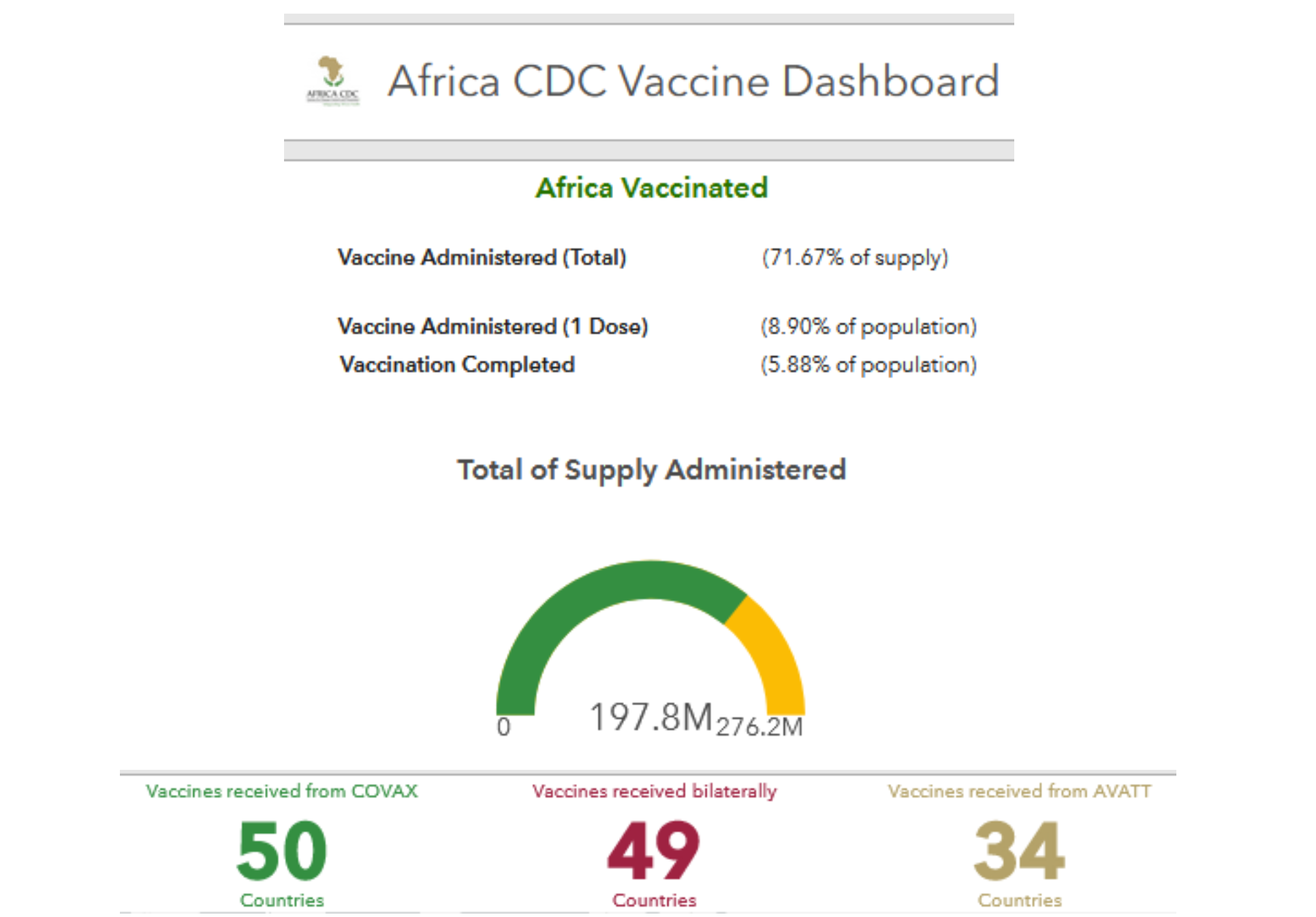
The Africa Centres for Disease Control and Prevention (Africa CDC), a Specialised Technical Institution of the African Union (AU), has designated two institutions to serve as part of a network of Centres of Excellence (CoE) for COVID-19 vaccination. These include the Institut Pasteur, Casablanca, Morocco and the Rwanda Biomedical Centre, Kigali. Africa has vaccinated only about 5% of its population with COVID-19 vaccine and a 70% coverage target has been set by the World Health Organisation to bring the pandemic under control.
Institut Pasteur of Morocco and Rwanda Biomedical Centre have both demonstrated efficiency in COVID-19 vaccination rollout in their respective countries. For instance, Morocco has vaccinated more than 80% of its targeted population. Rwanda has immunized about 25% of its eligible population and aims to achieve a 40% coverage by the end of 2021. The African CDC CoE for COVID-19 vaccination are expected to provide capacity building services to professionals from difference member states across Africa and share best practices on management of vaccination centres, logistics of vaccine distribution, and community engagement and risk communication.
“We are very excited that Morocco is part of this networks of Africa CDC CoE for COVID-19 vaccination and share Morocco’s experience and offer technical assistance if requested with other AU member states, says Professor Maaroufi Abderrahmane, Director of the Institut Pasteur of Morocco”
As part of the Africa CDC and Mastercard Foundation partnership on Saving Lives and Livelihood, 20 African Union member states representatives, implementing partners, and other international organsations will be meeting in Morocco in late November 2021 to share Morocco’s experiences. A similar exercise, with additional AU member states, will also be carried out at the Rwanda Biomedical Centre in early December…
National Health Commission of the People’s Republic of China [to 06 Nov 2021] http://en.nhc.gov.cn/ News Nov 6: Daily briefing on novel coronavirus cases in China
On Nov 5, 31 provincial-level regions and the Xinjiang Production and Construction Corps on the Chinese mainland reported 55 new cases of confirmed infections.
Targeted containment aims to curb COVID-19 while minimizing impact
Updated: 2021-11-04 | Xinhua — Local governments are leaving no stone unturned to curb infections while minimizing the impact on people’s lives and production. — Anti-epidemic measures such as mass nucleic acid testing, epidemiological investigations, origin tracing, targeted screening and quarantines, adjustment of medium and high-risk area classifications, have been immediately adopted to curb transmissions. — A slew of policies and measures have been rolled out to help mitigate the impact of local flare-ups since a COVID-19 outbreak over summer affected dozens of cities.
BEIJING — Shanghai Disneyland and Disneytown reopened Wednesday, just two days after a temporary closure for epidemic prevention and control works.
On the evening of Oct 31, Disneyland issued a statement saying entry has been suspended to cooperate with COVID-19 epidemiological investigation in other provinces and cities. The notice asked guests to undergo nucleic acid testing at the exit when leaving the resort.
“I spent a memorable Halloween at the resort along with tens of thousands of visitors,” said a visitor surnamed Li who celebrated her birthday at the park with her boyfriend. “Fireworks dazzled the sky as we completed our testing, while healthcare workers were busy conducting our tests effectively,” she recalled.
A total of 66,460 tests were conducted and all results came out negative as of 8 am Tuesday, in the two rounds of COVID-19 screening within 48 hours, including all cast members and third-party employees and tourists who had visited the facility during the weekend, according to a notice issued by Shanghai’s epidemic control headquarters on Tuesday.
The efficient response by Shanghai Disneyland resort mirrored the determined efforts across the country in the face of sporadic cluster infections. Meanwhile, local governments are leaving no stone unturned to curb infections while minimizing the impact on people’s lives and production…
Booster shots recommended
2021-11-04
China’s leading pulmonologists affirmed the effectiveness of COVID-19 vaccine booster shots and warned that elderly people should pay more attention to disease prevention, as many of them have not yet been vaccinated
Xi calls for enhancing vaccine accessibility, affordability in developing countries
2021-11-02
China is ready to work with all parties to enhance vaccine accessibility and affordability in developing countries and make positive contribution to building a global line of defense through vaccination, President Xi Jinping said on Saturday.
Xi calls for advancing mutual recognition of COVID-19 vaccines
2021-11-02
President Xi Jinping on Saturday called for equal treatment of different vaccines and advancing mutual recognition of vaccines in accordance with the World Health Organization’s Emergency Use Listing.
Organization Announcements Editor’s Note:
Careful readers will note that the number and range of organizations now monitored in our Announcements section below has grown as the impacts of the pandemic have spread across global economies, supply chains and programmatic activity of multilateral agencies and INGOs. Paul G. Allen Frontiers Group [to 06 Nov 2021] https://alleninstitute.org/news-press/ News Press Release Announcing the Allen Institute for Neural Dynamics, a new neuroscience division of the Allen Institute
November 4, 2021
New Institute will study how the brain’s circuitry and activity give rise to complex behavior, decision making and memory BARDA – U.S. Department of HHS [to 06 Nov 2021] https://www.phe.gov/about/barda/Pages/default.aspx News No new digest content identified. BMGF – Gates Foundation [to 06 Nov 2021] https://www.gatesfoundation.org/ideas/media-center Press Releases and Statements Bill & Melinda Gates Foundation Pledges $315 million to Support Innovations That Help Smallholder Farmers Adapt to Climate Threats Press release
Nov 02, 2021 Bill & Melinda Gates Medical Research Institute [to 06 Nov 2021] https://www.gatesmri.org/ The Bill & Melinda Gates Medical Research Institute is a non-profit biotech organization. Our mission is to develop products to fight malaria, tuberculosis, and diarrheal diseases—three major causes of mortality, poverty, and inequality in developing countries. The world has unprecedented scientific tools at its disposal; now is the time to use them to save the lives of the world’s poorest people No new digest content identified. CARB-X [to 06 Nov 2021] https://carb-x.org/ News No new digest content identified. Center for Vaccine Ethics and Policy – GE2P2 Global Foundation [to 06 Nov 2021] https://centerforvaccineethicsandpolicy.net/ News/Analysis/Statements
:: Past weekly editions and posting of all segments of Vaccines and Global Health: The Week in Review are available here.
Q2 Solutions Beijing joins CEPI’s global network of COVID-19 vaccine testing labs
This network is the largest and only global group launched to harmonise the assessment of COVID-19 vaccines currently undergoing preclinical and clinical trials. Q2 Solutions laboratory in the US joined the network last year.
COVID-19
02 Nov 2021 DARPA – Defense Advanced Research Projects Agency [to 06 Nov 2021 https://www.darpa.mil/news News No new digest content identified. Duke Global Health Innovation Center[to 06 Nov 2021] https://dukeghic.org/ Our Blog No new digest content identified. EDCTP [to 06 Nov 2021] http://www.edctp.org/ The European & Developing Countries Clinical Trials Partnership (EDCTP) aims to accelerate the development of new or improved drugs, vaccines, microbicides and diagnostics against HIV/AIDS, tuberculosis and malaria as well as other poverty-related and neglected infectious diseases in sub-Saharan Africa, with a focus on phase II and III clinical trials News
02 November 2021 EDCTP at COVID CIRCLE online event
02 November 2021 EDCTP Prizes 2020 awarded at the Tenth EDCTP Forum
EDCTP awarded its prizes for research excellence and the Pascoal Mocumbi Prize at the Tenth EDCTP Forum that was held from 17-21 October 2021 from Maputo, Mozambique & virtual.
From equity to priority setting: Where we can improve funding epidemic and pandemic research for the future
02/11/2021
A report, ‘Funding and undertaking research during the first year of the COVID-19 pandemic: COVID CIRCLE lessons for funders’, published today, presents key lessons and future guidance for research funders to address the challenges of funding and conducting research in the context of an epidemic or pandemic, particularly in low- and middle-income countries (LMICs).
Nearly two years into the COVID-19 pandemic, the global research community has begun to take stock of lessons learned when it comes to funding research during a global health crisis, especially in LMICs.
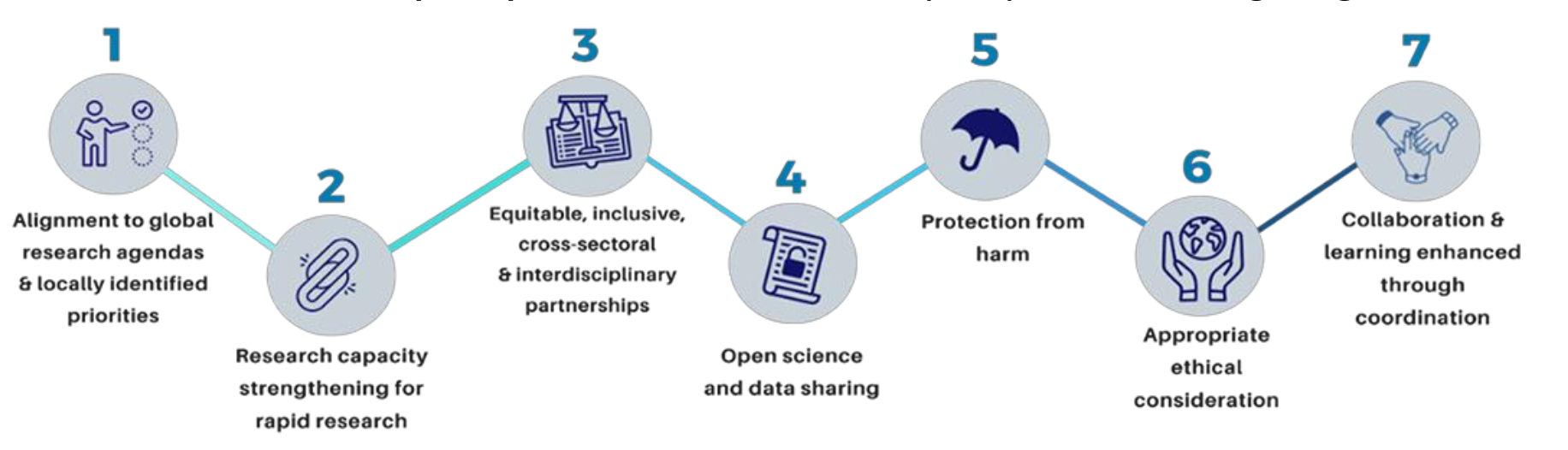
The report identified a number of barriers experienced by funders and researchers across the globe in the process of undertaking and funding COVID-19 research. These barriers include issues of equity and access, and delays to, and sometimes a lack of, regionally developed research priorities, hindering the alignment of funding and research.
Key lessons for funders from this pandemic that will enable future funding preparedness and response include:
the appreciation of the early development of the WHO & GloPID-R Research Roadmap;
leveraging pre-existing partnerships and funding to enable rapid response;
the need for greater support for open science and data sharing practices in epidemics, along with buy-in and support of LMICs;
the need for greater global funder collaboration.
Many examples of best research practice and innovative funding mechanisms that have taken place during the pandemic to date are featured. Such as the European and Developing Countries, Clinical Trial Partnership (EDCTP) rapid emergency funding mechanism which mobilised €12.75m for research implemented in 25 Sub-Saharan African countries. The report also provides specific recommendations on the actions that funders could pursue, particularly in low-resource settings.
Lessons learned in the report are framed around COVID CIRCLE’s ‘Funder principles for research in epidemics,Funders Principles for Supporting High-Quality Research for the Most Pressing Global Needs in Epidemics and Pandemics’ which build on best practice guidance from key stakeholders and include commitments to ensure that research outputs are shared rapidly to inform policy and practice in epidemic situations. These have been embedded into funding practices e.g. the Global Effort on COVID-19 Health Research (GECO) included adherence to the principles in its funding call guidelines.
The challenges and potential solutions for achieving the Funder Principles require action from a range of stakeholders. The authors of the report issue an urgent call for the Principles to be endorsed by research funders: they call upon donors, governments and any other entities supporting research to address needs during the current as well as future epidemics and pandemics…
International Coalition of Medicines Regulatory Authorities [ICMRA] http://www.icmra.info/drupal/en/news Selected Statements, Press Releases, Research No new digest content identified. ICRC [to 06 Nov 2021] https://www.icrc.org/en/whats-new Selected News Releases, Statements, Reports Reducing Civilian Harm in Urban Warfare: A Commander’s Handbook
We know that urban warfare kills, injures and displaces significantly more civilians – and destroys more critical civilian infrastructure and essential services – than any other combat in open areas.
05-11-2021 | Article
Haiti: The obligation to safeguard health-care services
Port-au-Prince, 26 October 2021 — As armed violence continues to rock Haiti, disruptions to fuel supplies are worsening the already dire humanitarian consequences for its people who struggle to access basic services, including health care.Power cuts
04-11-2021 | News release
DigitHarium Month #8: Cyber operations against humanitarian organizations
For the eighth DigitHarium month, we looked at how cyber operations could affect humanitarian organizations and their work: what the stakes were, what risks were most likely to arise, and what steps humanitarian organizations needed to take.For the e
03-11-2021 | Article
IFFIm http://www.iffim.org/ Press Releases/Announcements No new digest content identified. IFRC [to 06 Nov 2021] http://media.ifrc.org/ifrc/news/press-releases/ Selected Press Releases, Announcements
05/11/2021 In the race against the pandemic, the poorest, most vulnerable, and marginalized are being left far behind Statement on COVID-19 vaccine equity from Jagan Chapagain, Secretary General of the International Federation of Red Cross and Red Crescent Societies (IFRC)
“Around half of the world’s population has now received at least one dose of a COVID-19 vaccine. This is a tremendous achievement that even just a year ago seemed unfathomable. However, while richer countries are speeding ahead with vaccination campaigns for their populations, in lower-income countries, only about four per cent of people have received even one dose of a vaccine. Over half of the countries facing humanitarian crises do not have enough doses to vaccinate even ten per cent of their population.
“In the race against the pandemic, the poorest, most vulnerable, and marginalized are being left far behind. It is a humanitarian imperative and a global responsibility, not to mention an economic and recovery necessity, to ensure that everyone has access to vaccines, not only those in countries with the means to buy protection.”
Last week, the UN and the International Red Cross and Red Crescent Movement jointly made five asks to government and the international community, to achieve the equitable distribution and delivery of vaccines.
COVID-19 Responses Could Help Fight Climate Change
WASHINGTON, Nov. 3, 2021 – As the COVID-19 pandemic has overwhelmed health systems worldwide, a new report brings together low-carbon and climate-resilient health solutions that can help protect the planet…
Date: November 03, 2021 Type: Press Release
Supporting Colombian Host Communities and Venezuelan Migrants During the COVID-19 Pandemic
Challenge As of March 2021, an estimated 1.7 million people from Venezuela were based in Colombia— approximately 32 % of all Venezuelan migrants in Latin America. The impact of the crisis is geographically…
Date: October 31, 2021 Type: Result Brief World Customs Organization – WCO [to 06 Nov 2021] http://www.wcoomd.org/ Latest News – Selected Items No new digest content identified. World Organisation for Animal Health (OIE) [to 06 Nov 2021] https://www.oie.int/en/media/news/ Press Releases, Statements No new digest content identified. WTO – World Trade Organisation [to 06 Nov 2021] http://www.wto.org/english/news_e/news_e.htm WTO News and Events No new digest content identified.
International Generic and Biosimilar Medicines Association [IGBA] https://www.igbamedicines.org/ News IGBA Calls on all Stakeholders to Join the Biosimilars Movement on Advancing Access
Geneva, November 1st, 2021 – In the week ahead, IGBA will renew its commitment to the collaborative effort to establish worldwide biosimilar policies that deliver better health outcomes and biologics access equity for more patients. The second Global Biosimilars Week will run from 1st to 5th November 2021 on social media, supported by a dedicated website globalbiosimilarsweek.org
This awareness campaign is open to all stakeholder contributions worldwide and seeks to gather, under one hashtag #globalbiosimilarsweek, useful ideas, experience, information and resources for and from patients, doctors and all other stakeholders across the healthcare community.
“The COVID-19 global health crisis has led governments and the entire healthcare community to rethink and rebuild healthcare systems. This includes focusing on their ability to efficiently deliver access to biologic therapies and to effectively address Non-Communicable Diseases (NCDs),” explained Sudarshan Jain, Chair of the IGBA. “Now is a time to reconcile the unique opportunity provided by the availability of biosimilar medicines and the rising challenges for many patients around the world to access quality-assured transformative therapies. We need to redouble the efforts to effectively tackle NCDs and biosimilar medicines are part of the solution.”
“With 15 years of positive biosimilar medicines contribution to patient health and healthcare system sustainability, the challenges and remedies to efficient use of biosimilar medicines are well known. Our new white paper aims to facilitate experience sharing for communities wanting to Advance Access in their country or region and more importantly to implement effective and tailored strategies in tackling Non-Communicable Diseases locally,” said Julie Maréchal-Jamil, Co-Chair of the IGBA Biosimilars Committee.
IGBA companies are the pioneers and global leaders in the development and marketing of biosimilar medicines. To date there have been more than 400 biosimilar approvals in IGBA’s membership jurisdictions, covering more than 10 therapeutic areas including oncology, rheumatoid arthritis, psoriasis, inflammatory bowel disease, growth disorders, nephrology, fertility, diabetes and ophthalmology.
Journal Watch Vaccines and Global Health: The Week in Review continues its weekly scanning of key peer-reviewed journals to identify and cite articles, commentary and editorials, books reviews and other content supporting our focu-s on vaccine ethics and policy. Journal Watch is not intended to be exhaustive, but indicative of themes and issues the Center is actively tracking. We selectively provide full text of some editorial and comment articles that are specifically relevant to our work. Successful access to some of the links provided may require subscription or other access arrangement unique to the publisher.
If you would like to suggest other journal titles to include in this service, please contact David Curry at: david.r.curry@centerforvaccineethicsandpolicy.org
Health Care and Homelessness
Homelessness dramatically undermines personal and community health status. Throughout their lifespans, children, elders, and all who are chronically unsheltered confront cumulative health detriments of exposure, violence, and poor nutrition. With limited access to hygiene opportunities and health services, people experiencing homelessness endure poor continuity of care and some of the poorest health outcomes tolerated in the US health care system.
From the Editor Nov 2021 Homelessness Is an Ethical Issue in America
G. Robert Watts, MPH, MS
The National Health Care for the Homeless Council supports clinicians serving 1 million patients per year in 300 Health Care for the Homeless federally qualified health centers and 100 medical respite programs.
AMA J Ethics. 2021;23(11):E835-839. doi: 10.1001/amajethics.2021.835.
Research article Open access Hard choices in artificial intelligence
Roel Dobbe, Thomas Krendl Gilbert, Yonatan Mintz
Article 103555 Abstract
As AI systems are integrated into high stakes social domains, researchers now examine how to design and operate them in a safe and ethical manner. However, the criteria for identifying and diagnosing safety risks in complex social contexts remain unclear and contested. In this paper, we examine the vagueness in debates about the safety and ethical behavior of AI systems. We show how this vagueness cannot be resolved through mathematical formalism alone, instead requiring deliberation about the politics of development as well as the context of deployment. Drawing from a new sociotechnical lexicon, we redefine vagueness in terms of distinct design challenges at key stages in AI system development. The resulting framework of Hard Choices in Artificial Intelligence (HCAI) empowers developers by 1) identifying points of overlap between design decisions and major sociotechnical challenges; 2) motivating the creation of stakeholder feedback channels so that safety issues can be exhaustively addressed. As such, HCAI contributes to a timely debate about the status of AI development in democratic societies, arguing that deliberation should be the goal of AI Safety, not just the procedure by which it is ensured.
Barriers and facilitators to the uptake of new medicines into clinical practice: a systematic review Implementation and uptake of novel and cost-effective medicines can improve patient health outcomes and healthcare efficiency. However, the uptake of new medicines into practice faces a wide range of obstacles. Earlier reviews provided insights into determinants for new medicine uptake (such as medicine, prescriber, patient, organization, and external environment factors). However, the methodological approaches used had limitations (e.g., single author, narrative review, narrow search, no quality assessment of reviewed evidence). This systematic review aims to identify barriers and facilitators affecting the uptake of new medicines into clinical practice and identify areas for future research.
Authors: Kristina Medlinskiene, Justine Tomlinson, Iuri Marques, Sue Richardson, Katherine Stirling and Duncan Petty
Citation: BMC Health Services Research 2021 21:1198
Content type: Research article
Published on: 5 November 2021
Rotavirus gastroenteritis hospitalizations in provinces with different vaccination coverage rates in Spain, 2013–2018 Rotavirus (RV) vaccines are available in Spain since 2006 but are not included in the National Immunization Program. RV vaccination has reached an intermediate vaccination coverage rate (VCR) but with substant…
Authors: J. Ruiz-Contreras, S. Alfayate-Miguelez, B. Carazo-Gallego, E. Onís, L. Díaz-Munilla, M. Mendizabal, M. Méndez Hernández, B. Ferrer-Lorente, M. Unsaín-Mancisidor, J. T. Ramos-Amador, B. Croche-Santander, F. Centeno Malfaz, J. Rodríguez-Suárez, M. Cotarelo, M. San-Martín and J. Arístegui
Citation: BMC Infectious Diseases 2021 21:1138
Content type: Research
Published on: 6 November 2021
Governance frameworks for COVID-19 research ethics review and oversight in Latin America: an exploratory study Research has been an essential part of the COVID-19 pandemic response, including in Latin American (LA) countries. However, implementing research in emergency settings poses the challenge of producing valuable knowledge rapidly while upholding research ethical standards. Research ethics committees (RECs) therefore must conduct timely and rigorous ethics reviews and oversight of COVID-19 research. In the LA region, there is limited knowledge on how countries have responded to this need. To address this gap, the objective of our project is to explore if LA countries developed policies to streamline ethics review and oversight of research in response to the pandemic while ensuring its adherence to ethical standards, and to analyze to what extent these governance frameworks are in accordance with international guidance.
Authors: Ana Palmero, Sarah Carracedo, Noelia Cabrera and Alahí Bianchini
Citation: BMC Medical Ethics 2021 22:147
Content type: Research
Published on: 6 November 2021
Designing a conceptual framework for misinformation on social media: a qualitative study on COVID-19 This study was aimed to present a conceptual framework about the misinformation surrounding COVID-19 outbreak in Iran. For this purpose, discourse analysis of two of the most common social virtual networks wer…
Authors: Peivand Bastani, Seyyed Mostafa Hakimzadeh and Mohammad Amin Bahrami
Citation: BMC Research Notes 2021 14:408
Content type: Research note
Published on: 2 November 2021
The importance of adherence to international standards for depositing open data in public repositories There has been an important global interest in Open Science, which include open data and methods, in addition to open access publications. It has been proposed that public availability of raw data increases th…
Authors: Diego A. Forero, Walter H. Curioso and George P. Patrinos
Citation: BMC Research Notes 2021 14:405
Content type: Commentary
Published on: 2 November 2021
Editorials Harnessing the power of behavioural science to improve health
Elena Altieri, John Grove, Olivia Lawe Davies, Katrine Bach Habersaat, Joseph Okeibunor, Dalia Samhouri, Supriya Bezbaruah
Bull World Health Organ. 2021 Nov 1; 99(11): 754–754A. Published online 2021 Nov 1. doi: 10.2471/BLT.21.287375
PMCID: PMC8542273
Using behavioural science for better health
Tedros Adhanom Ghebreyesus
Bull World Health Organ. 2021 Nov 1; 99(11): 755. Published online 2021 Nov 1. doi: 10.2471/BLT.21.287387
PMCID: PMC8542276
… As members of the broader public health community, we need to get better at listening and observing people and their needs. Doing so requires rigorous collection of behavioural data to understand, for example, how and why our minds take shortcuts, also called heuristics, when information is too much or unclear, or when the right choice is too hard to make.
We also need more information on how people around us influence our decisions, and on how to design environments, services, products and solutions that support, rather than block, behaviours that improve health.
Using behavioural insights is ultimately an act of humility: it requires the community of experts and policy-makers to test each other’s expert knowledge, biases and preferences, and to gather and use behavioural evidence on health-related decisions that all of us, as individuals, make on any given day.
This theme issue of the Bulletin on behavioural sciences for better health provides examples of the work of multidisciplinary teams across the world who have partnered to design interventions that have contributed to improve people’s health. These examples should encourage all those involved in public health to work more systematically in the same direction. Ensuring behaviourally informed strategies, policies and programmes – as opposed to siloed behavioural interventions – is essential to achieving and sustaining better health for all.
Research Insights into vaccine hesitancy from systems thinking, Rwanda
Catherine Decouttere, Stany Banzimana, Pål Davidsen, Carla Van Riet, Corinne Vandermeulen, Elizabeth Mason, Mohammad S Jalali, Nico Vandaele
Bull World Health Organ. 2021 Nov 1; 99(11): 783–794D. Published online 2021 Sep 28. doi: 10.2471/BLT.20.285258
PMCID: PMC8542260
Perspectives Behavioural and social science research opportunities
Maria A Carrasco, Alexandria K Mickler, Ruth Young, Kaitlyn Atkins, Joseph G Rosen, Rafael Obregon
Bull World Health Organ. 2021 Nov 1; 99(11): 834–836. Published online 2021 Aug 31. doi: 10.2471/BLT.20.285370
PMCID: PMC854267
Improving malaria control by understanding human behaviour
April Monroe, Bolanle Olapeju, Sarah Moore, Gabrielle Hunter, Alice Payne Merritt, Fredros Okumu, Stella Babalola
Bull World Health Organ. 2021 Nov 1; 99(11): 837–839. Published online 2021 Sep 30. doi: 10.2471/BLT.20.285369
PMCID: PMC8542269
 vaccines and global health :: ethics and policy