PNAS – Proceedings of the National Academy of Sciences of the United States December 28, 2021; vol. 118 no. 52 https://www.pnas.org/content/118/52
Social Sciences Open Access Ethics and society review: Ethics reflection as a precondition to research funding
Michael S. Bernstein, Margaret Levi, David Magnus, Betsy A. Rajala, Debra Satz, and Charla Waeiss
PNAS December 28, 2021 118 (52) e2117261118; https://doi.org/10.1073/pnas.2117261118 Significance
Research fields that hold transformative possibilities for improving the human condition also raise risks of negative ethical and societal outcomes. These ethical and societal risks fall outside the purview of most research reviews. We introduce an iterative review process that draws these fields into reflection and mitigation of ethical and societal risks by conditioning access to grant funding on completion of the process. A 1-y evaluation of our approach with an artificial intelligence funding program at our university suggests that this approach is well-received by researchers and positively influenced the design of their research. This process has also generated lists of common risks and mitigation strategies, to provide scaffolding for future processes. Abstract
Researchers in areas as diverse as computer science and political science must increasingly navigate the possible risks of their research to society. However, the history of medical experiments on vulnerable individuals influenced many research ethics reviews to focus exclusively on risks to human subjects rather than risks to human society. We describe an Ethics and Society Review board (ESR), which fills this moral gap by facilitating ethical and societal reflection as a requirement to access grant funding: Researchers cannot receive grant funding from participating programs until the researchers complete the ESR process for their proposal. Researchers author an initial statement describing their proposed research’s risks to society, subgroups within society, and globally and commit to mitigation strategies for these risks. An interdisciplinary faculty panel iterates with the researchers to refine these risks and mitigation strategies. We describe a mixed-method evaluation of the ESR over 1 y, in partnership with a large artificial intelligence grant program at our university. Surveys and interviews of researchers who interacted with the ESR found 100% (95% CI: 87 to 100%) were willing to continue submitting future projects to the ESR, and 58% (95% CI: 37 to 77%) felt that it had influenced the design of their research project. The ESR panel most commonly identified issues of harms to minority groups, inclusion of diverse stakeholders in the research plan, dual use, and representation in datasets. These principles, paired with possible mitigation strategies, offer scaffolding for future research designs.
Editorial Strengthening scientific integrity Download PDF
BY Alondra Nelson, Jane Lubchenco
11 Jan 2022: 247-24
A robust democracy requires a common well-spring of reliable information. During his first days in office, US President Biden affirmed that evidence-based decision-making—informed by vigorous science and unimpeded by political interference—would be a pillar of his administration. He directed ambitious actions to implement that goal, including the creation of an interagency Scientific Integrity Task Force, which has just released the first-ever, comprehensive assessment of scientific integrity policy and practices in the US government.
The task force included 48 scientists, statisticians, engineers, lawyers, and policy-makers with a diversity of experiences from 29 federal agencies, and it received input from hundreds of outside experts from academia, the nonprofit sector, industry, and the public. The group found that although federal agency science is generally sound—that is, reported violations of scientific integrity policies are small in number compared to the magnitude of the federal scientific enterprise—there have been lapses that could undermine public trust in science and jeopardize federal scientists’ and technologists’ morale and motivation to innovate.
For example, during Hurricane Dorian’s approach in 2019, then US President Trump tweeted information contradicting the official forecast of scientists at the National Oceanic and Atmospheric Administration (NOAA). Senior political leadership then directed NOAA to issue a press release supporting the president’s inaccurate forecast, in effect manipulating scientific information, jeopardizing public safety, and undermining public confidence in government. In another instance, the Trump administration added a citizenship question to the 2020 census, overruling Census Bureau scientists who cited clear evidence that doing so would depress the response rate and could jeopardize census quality.
These and other violations informed the task force’s recommendations, including the importance of best practices that continually reinforce a culture of integrity across the government. The report recommends the creation of a permanent interagency Scientific Integrity Council to facilitate dissemination and uptake of best practices, and communication training for scientists so that they can be more effective in explaining results to their policy superiors, to the media, and to the public. It also emphasizes the importance of meaningful and appropriate consequences for violations.
In 2009, under US President Obama, the Office of Science and Technology Policy (OSTP) identified six principles of scientific integrity: science and technology positions in the executive branch should be filled by candidates with appropriate experience; agencies should have rules to ensure the integrity of their scientific process; research that informs agency decisions should be subject to peer review; barring restrictions, scientific or technological findings that inform policy decisions should be available to the public; agencies should address instances in which the integrity of scientific and technological processes and information may be compromised; and agencies should adopt procedures that ensure the integrity of scientific and technological processes and information used to inform decision-making.
Drawing on the 2021 task force report, the OSTP now proposes five additional principles. Because science benefits from dissent within the scientific community to sharpen ideas and thinking, scientists’ ability to freely voice legitimate disagreement should not be constrained. Another principle is that scientific integrity policies should apply to all federal agencies and departments engaged in the production, analysis, use, and communication of evidence, science, and technology. Moreover, these policies must apply to political appointees, career employees, and contractors. A further principle is grounded in the knowledge that science needs to be understood and actively considered during decision-making. Therefore, scientists should routinely participate actively in policy-making. Also, to promote accountability to the American public, federal scientists should be able to speak freely about their unclassified research, including to the press. And, accountability must be upheld. Violations of scientific integrity policies should be taken seriously and considered comparable to violations of government ethics rules.
In phase two, OSTP will work to implement these best practices and make the new principles operational. Every day, federal scientists and technologists help to tackle the greatest challenges that society faces. Let’s make sure that this crucial work is supported and protected.
Policy Forum How privacy’s past may shape its future
BY Alessandro Acquisti, Laura Brandimarte, Jeff Hancock
20 Jan 2022: 270-272 An account of privacy’s evolutionary roots may hold lessons for policies in the digital age Abstract
Continued expansion of human activities into digital realms gives rise to concerns about digital privacy and its invasions, often expressed in terms of data rights and internet surveillance. It may thus be tempting to construe privacy as a modern phenomenon—something our ancestors lacked and technological innovation and urban growth made possible. Research from history, anthropology, and ethnography suggests otherwise. The evidence for peoples seeking to manage the boundaries of private and public spans time and space, social class, and degree of technological sophistication. Privacy—not merely hiding of data, but the selective opening and closing of the self to others—appears to be both culturally specific and culturally universal (1). But what could explain the simultaneous universality and diversity of a human drive for privacy? An account of the evolutionary roots of privacy may offer an answer and teach us about privacy’s digital future and how to manage it (2).
Reports SARS-CoV-2 vaccine protection and deaths among US veterans during 2021
BY
Barbara A. Cohn, Piera M. Cirillo, Caitlin C. Murphy, Nickilou Y. Krigbaum, Arthur W. Wallace
04 Nov 2021: 331-336
Open Access Vaccine protection against SARS-CoV-2 infection declined through August 2021 as the Delta variant emerged in the United States. We report severe acute respiratory syndrome coronavirus 2 (SARS-CoV-2) vaccine effectiveness against infection (VE-I) and death (VE-D) by vaccine type in 780,225 veterans in the Veterans Health Administration, covering 2.7% of the US population.
Special Issue: A plea for an experimental philosophy of medicine Editorial Notes A plea for an experimental philosophy of medicine Andreas De Block & Kristien Hens
This special issue aims to explore and investigate a new subfield, namely experimental philosophy of medicine. Whereas experimental philosophy is relatively new on the philosophical block, some of its takes and findings have already shaped central debates in ethics, philosophy of action, philosophy of language, and epistemology. Interestingly, the approach of this program was for a long time almost wholly ignored within bioethics and philosophy of medicine—although this seems to have changed somewhat recently. In this introduction, we briefly sketch the program of experimental philosophy and how it can be used to shed philosophical light on issues in the philosophy of medicine.
medRxiv https://www.medrxiv.org/content/about-medrxiv medRxiv is a free online archive and distribution server for complete but unpublished manuscripts (preprints) in the medical, clinical, and related health sciences. Preprints are preliminary reports of work that have not been certified by peer review. They should not be relied on to guide clinical practice or health-related behavior and should not be reported in news media as established information. medRxiv is for the distribution of preprints – complete but unpublished manuscripts – that describe human health research conducted, analyzed, and interpreted according to scientific principles… January 22, 2022 – No digest content identified
mRNA-COVID19 vaccination can be considered safe and tolerable for frail patients
Maria Teresa Lupo Stanghellini, Serena Di Cosimo, Massimo Costantini, Sara Monti, Renato Mantegazza, Alberto Mantovani, Carlo Salvarani, Pier Luigi Zinzani, Matilde Inglese, Fabio Ciceri, Giovanni Apolone, Gennaro Ciliberto, Fausto Baldanti, Aldo Morrone, Valentina Sinno, Franco Locatelli, Stefania Notari, Elena Turola, Diana Giannarelli, Nicola Silvestris
medRxiv 2022.01.18.22269351; doi: https://doi.org/10.1101/2022.01.18.22269351
Wellcome Open Research provides all Wellcome researchers with a place to rapidly publish any results they think are worth sharing. All articles benefit from rapid publication, transparent peer review and editorial guidance on making all source data openly available. Research Article metrics
Revised An agency mapping of marginalized communities and aid providers during the COVID-19 pandemic in Malaysia[version 2; peer review: 1 approved]
Melati Nungsari, Chuah Hui Yin, Nicole Fong, Veena Pillai
Peer Reviewer Zinette Bergman
Funder – World Health Organization
LATEST VERSION PUBLISHED 20 Jan 2022
Think Tanks Brookings [to 22 Jan 2022] http://www.brookings.edu/ Accessed 22 Jan 2022
[No new digest content identified] Chatham House [to 22 Jan 2022] https://www.chathamhouse.org/ Accessed 22 Jan 2022
[No new digest content identified]
Kaiser Family Foundation https://www.kff.org/search/?post_type=press-release Accessed 22 Jan 2022
January 20, 2022 News Release How are Large Private Insurers Covering At-Home Rapid Tests?
Less than a week after a new federal mandate to cover such products took effect, about half of the nation’s largest private insurers allow enrollees to directly obtain rapid at-home COVID-19 tests from specific sources without having to pay anything upfront, a new KFF analysis finds. The new coverage requirement…
Vaccines and Global Health: The Week in Review is a weekly digest summarizing news, events, announcements, peer-reviewed articles and research in the global vaccine ethics and policy space. Content is aggregated from key governmental, NGO, international organization and industry sources, key peer-reviewed journals, and other media channels. This summary proceeds from the broad base of themes and issues monitored by the Center for Vaccine Ethics & Policy in its work: it is not intended to be exhaustive in its coverage. You are viewing the blog version of our weekly digest, typically comprised of between 30 and 40 posts below all dated with the current issue date
.– Request anEmail Summary:Vaccines and Global Health : The Week in Review is published as a single email summary, scheduled for release each Saturday evening before midnight (EDT in the U.S.). If you would like to receive the email version, please send your request to david.r.curry@centerforvaccineethicsandpolicy.org.
– pdf version: A pdf of the current issue is available here:
– blog edition: comprised of the approx. 35+ entries posted below.
– Twitter:Readers can also follow developments on twitter: @vaxethicspolicy. . – Links: We endeavor to test each link as we incorporate it into any post, but recognize that some links may become “stale” as publications and websites reorganize content over time. We apologize in advance for any links that may not be operative. We believe the contextual information in a given post should allow retrieval, but please contact us as above for assistance if necessary.
Support this knowledge-sharing service:Your financial support helps us cover our costs and to address a current shortfall in our annual operating budget. Click here to donate and thank you in advance for your contribution.
. David R. Curry, MS Executive Director Center for Vaccine Ethics and Policy
With an investment portfolio now worth £38.2 billion, we are planning to raise our charitable spending to £16 billion over the next decade to fund science that supports a healthy future for everyone.
We have also committed an extra £750 million to fund large-scale, high-impact activities across five years, which we anticipate will grow to £1 billion next year.
As a growing organisation, we want to scale up in a deliberate and sustainable way, ensuring that we can consistently fund research to improve health in all economic climates.
“These returns mark a step-change in Wellcome’s ability to fund and support new discoveries in science and health, and help solve three of the great challenges of the 21st century – climate change, infectious diseases and mental health. With plans to spend £16 billion on our mission over the next decade, we will be increasing our spending from the previous decade by more than 50 per cent. This gives us a huge opportunity to increase our support for scientific research that will make a real difference to people everywhere in the years to come.” Said Jeremy Farrar, Director, Wellcome.
The funding is a major boost for Wellcome’s new, more streamlined strategy, which focuses on three worldwide health challenges – mental health, infectious disease, and the health impacts of climate change. Underpinning it all is a broad programme of discovery research, which aims to give researchers the freedom to search for new knowledge.
Over the past year, we have also significantly increased our global policy and advocacy capacity in order to connect with governments worldwide and drive systemic change. This has included expanding our European presence, through our Europe Office in Berlin.
As part of our new direction, we will seek to support cross-sector, cutting-edge collaborations. For example, the public-private Coalition for Epidemic Preparedness Innovations (CEPI), which we co-founded in 2017, has played a pivotal role in pandemic preparedness and the Covid-19 response, bringing together a diverse range of global actors to support Covid-19 vaccine development and equity.
We also want to fund research that has the potential to change the way we understand life. As part of our £150 million commitment to the Covid-19 pandemic, we have supported genomics researchers to keep up with the virus. The Wellcome Sanger Institute was at one point responsible for half of the world’s Covid-19 sequencing, and funding genomics research in East Africa has generated the first Covid-19 data in places like South Sudan and Burundi.
Solving the most urgent health challenges of this century will take time, but our long-term approach will support researchers as they grapple with some of the biggest health questions facing us all.
Editor’s Note:
Global pandemic response — its unprecedented successes counterbalanced by inequities, incoherence and incompetence — is impacting the macroeconomic context as below. Developing economies — facing decisions on incurring more debt to finance continuing purchase of COVID vaccines and emerging therapeutics — face difficult tradeoffs as global growth falters, and country economies and health systems face mounting stressors.
Global Growth to Slow through 2023, Adding to Risk of ‘Hard Landing’ in Developing Economies – World Bank Spread of COVID-19 Variants Alongside Inflation, Debt, and Inequality Intensifies Uncertainty
WASHINGTON, Jan. 11, 2022—Following a strong rebound in 2021, the global economy is entering a pronounced slowdown amid fresh threats from COVID-19 variants and a rise in inflation, debt, and income inequality that could endanger the recovery in emerging and developing economies, according to the World Bank’s latest Global Economic Prospects report. Global growth is expected to decelerate markedly from 5.5 percent in 2021 to 4.1 percent in 2022 and 3.2 percent in 2023 as pent-up demand dissipates and as fiscal and monetary support is unwound across the world.
The rapid spread of the Omicron variant indicates that the pandemic will likely continue to disrupt economic activity in the near term. In addition, a notable deceleration in major economies—including the United States and China—will weigh on external demand in emerging and developing economies. At a time when governments in many developing economies lack the policy space to support activity if needed, new COVID-19 outbreaks, persistent supply-chain bottlenecks and inflationary pressures, and elevated financial vulnerabilities in large swaths of the world could increase the risk of a hard landing.
“The world economy is simultaneously facing COVID-19, inflation, and policy uncertainty, with government spending and monetary policies in uncharted territory. Rising inequality and security challenges are particularly harmful for developing countries,” said World Bank Group President David Malpass. “Putting more countries on a favorable growth path requires concerted international action and a comprehensive set of national policy responses.”
…The latest Global Economic Prospects report features analytical sections that provide fresh insights into three emerging obstacles to a durable recovery in developing economies. The first, on debt, compares the latest international initiative to tackle unsustainable debt in developing economies—the G20 Common Framework—with previous coordinated initiatives to facilitate debt relief. Noting that COVID-19 pushed total global debt to the highest level in half a century even as the creditors’ landscape became increasingly complex, it finds that future coordinated debt relief initiatives will face higher hurdles to success. Applying lessons from the past restructurings to the G20 Common Framework can increase its effectiveness and avoid the shortcomings faced by earlier initiatives.
“The choices policymakers make in the next few years will decide the course of the next decade,” said Mari Pangestu, the World Bank’s Managing Director for Development Policy and Partnerships. “The immediate priority should be to ensure that vaccines are deployed more widely and equitably so the pandemic can be brought under control. But tackling reversals in development progress such as rising inequality will require sustained support. In a time of high debt, global cooperation will be essential to help expand the financial resources of developing economies so they can achieve green, resilient, and inclusive development.”
…The third analytical section explores COVID-19’s impact on global inequality. It finds that the pandemic has raised global income inequality, partly reversing the decline that was achieved over the previous two decades. It has also increased inequality in many other spheres of human activity—in the availability of vaccines; in economic growth; in access to education and health care; and in the scale of job and income losses, which have been higher for women and low-skilled and informal workers. This trend has the potential to leave lasting scars: for example, losses to human capital caused by disruptions in education can spill over across generations.
Ayhan Kose, Director of the World Bank’s Prospects Group, said: “In light of the projected slowdown in output and investment growth, limited policy space, and substantial risks clouding the outlook, emerging and developing economies will need to carefully calibrate fiscal and monetary policies. They also need to undertake reforms to erase the scars of the pandemic. These reforms should be designed to improve investment and human capital, reverse income and gender inequality, and cope with challenges of climate change.”
Editor’s Note:
We continue to monitor [in distressed amazement] the pace of WTO engagement on probably the single most important issue it has faced in the last quarter century.
WTO – World Trade Organisation [to 15 Jan 2022] http://www.wto.org/english/news_e/news_e.htm WTO News and Events General Council discusses India’s call for virtual ministerial meeting on pandemic response
10 January 2022 General Council Chair Ambassador Dacio Castillo (Honduras) convened the 10 January meeting in response to India’s recent proposal to hold a virtual Ministerial Conference on the WTO’s response to the COVID-19 pandemic, including a proposed waiver of relevant intellectual property protections. At the meeting, Director-General Ngozi Okonjo-Iweala urged WTO members to urgently step up their efforts, suggesting that with the requisite political will, members can in the space of the coming weeks reach multilateral compromises on intellectual property and other issues so that the WTO fully contributes to the global response to COVID-19 and future pandemics.
India on 23 December 2021 sent a letter to the General Council Chair calling for a virtual ministerial meeting to be held on the issue of the WTO response to the pandemic, including the proposal to waive certain provisions of the TRIPS Agreement for COVID-19-related vaccines, therapeutics, and diagnostics (IP/C/W/669/Rev.1). The same day, Ambassador Castillo circulated the letter to all delegations, indicating that he would “conduct consultations and convene an open-ended informal General Council meeting” on the matter during the week of 10 January.
In her remarks, DG Okonjo-Iweala called for urgent action towards a comprehensive WTO outcome on pandemic response. “More than two years have passed since the onset of the pandemic. The emergence of the Omicron variant, which forced us to postpone our Twelfth Ministerial Conference, reminded us of the risks of allowing large sections of the world to remain unvaccinated.” “We at the WTO now have to step up urgently to do our part to reach a multilateral outcome on intellectual property and other issues so as to fully contribute to the global efforts in the fight against COVID-19,” she added.
DG Okonjo-Iweala updated members on her efforts, together with Deputy Director-General Anabel González, “to support an informal group of members to converge around a meaningful acceptable outcome that can be built upon by the wider membership to bring a successful conclusion to the IP issue.” Work had continued over the holidays, she said. ”It is slow but steady progress, and we are hopeful that this approach can help us together find the direction we need.”
“There is no better time to build convergence than now,” the Director-General added, urging all members to participate actively and constructively in the ongoing processes at the General Council and the TRIPS Council.
She noted that while pandemic response remained the most urgent endeavour facing WTO members, not least given the spectre of even newer coronavirus variants, many members had reached out to her to emphasise the importance of other items on the WTO agenda, including fisheries subsidies, agriculture and WTO reform. She stressed that these areas remained priorities for outcomes, and expressed hope “that we can all agree on getting results as soon as possible.”
The gathering heard a range of views on the proposed ministerial meeting, notably on timing, issue coverage, and the need to further narrow differences in Geneva ahead of ministerial engagement.
Describing the meeting as “useful,” General Council Chair Ambassador Castillo said he would continue to hold consultations with members on the Indian proposal, underlining “the urgency and importance of reaching a meaningful outcome. ”A common WTO response to COVID-19 “remains an urgent priority for the membership,” he said.
Therapeutics and COVID-19: living guideline WHO 14 January 2022 Overview The WHO Therapeutics and COVID-19: living guideline contains the Organization’s most up-to-date recommendations for the use of therapeutics in the treatment of COVID-19. The latest version of this living guideline is available in pdf format (via the ‘Download’ button) and via an online platform, and is updated regularly as new evidence emerges. This eighth version of the WHO living guideline now contains 14 recommendations, including three new recommendations regarding Janus kinase (JAK) inhibitors and sotrovimab. No further updates to the previous existing recommendations were made in this latest version.
::::::
WHO recommends two new drugs to treat COVID-19 14 January 2022 Geneva Statement WHO has recommended two new drugs for COVID-19, providing yet more options for treating the disease. The extent to which these medicines will save lives depends on how widely available and affordable they will be.
The first drug, baricitinib, is strongly recommended for patients with severe or critical COVID-19. It is part of a class of drugs called Janus kinase (JAK) inhibitors that suppress the overstimulation of the immune system. WHO recommends that it is given with corticosteroids.
Baricitinib is an oral drug, used in the treatment of rheumatoid arthritis. It provides an alternative to other arthritis drugs called Interleukin-6 receptor blockers, recommended by WHO in July 2021. WHO has also conditionally recommended the use of a monoclonal antibody drug, sotrovimab, for treating mild or moderate COVID-19 in patients who are at high risk of hospitalization. This includes patients who are older, immunocompromised, having underlying conditions like diabetes, hypertension, and obesity, and those unvaccinated.
Sotrovimab is an alternative to casirivimab-imdevimab, a monoclonal antibody cocktail recommended by WHO in September 2021. Studies are ongoing on the effectiveness of monoclonal antibodies against Omicron but early laboratory studies show that sotrovimab retains its activity.
The panel of experts developing the guidelines also looked at two other drugs for severe and critical COVID-19: ruxolitinib and tofacitinib. Given their uncertain effects, WHO made a conditional recommendation against their use.
Today’s recommendations, forming the eighth update of WHO’s living guidelines on therapeutics and COVID-19, are based on evidence from seven trials involving over 4,000 patients with non-severe, severe, and critical COVID-19.
WHO is in discussions with manufacturers to secure global supply capacity and equitable and sustainable access to the newly recommended therapeutics. The Access to COVID-19 Tools Accelerator (ACT-A) Therapeutics pillar has been engaging with pharmaceutical companies to seek comprehensive access plans for low- and middle-income countries, so that these treatments can be rapidly deployed everywhere, not just in rich countries. The ACT-A is also looking to expand licensing scope to make the products more affordable.
The two newly recommended drugs – baricitinib and sotrovimab – have been invited for WHO Prequalification, which assesses the quality, efficacy and safety of priority health products to increase access in lower income countries.
::::::
Editor’s Note: We reviewed WHO COVID and ACT Tool Accelerator websites to identify additional detail on the “WHO discussions” involving manufacturers referenced above [regarding global supply capacity and equitable and sustainable access to treatments/therapeutics]. We found no announcements or additional detail.
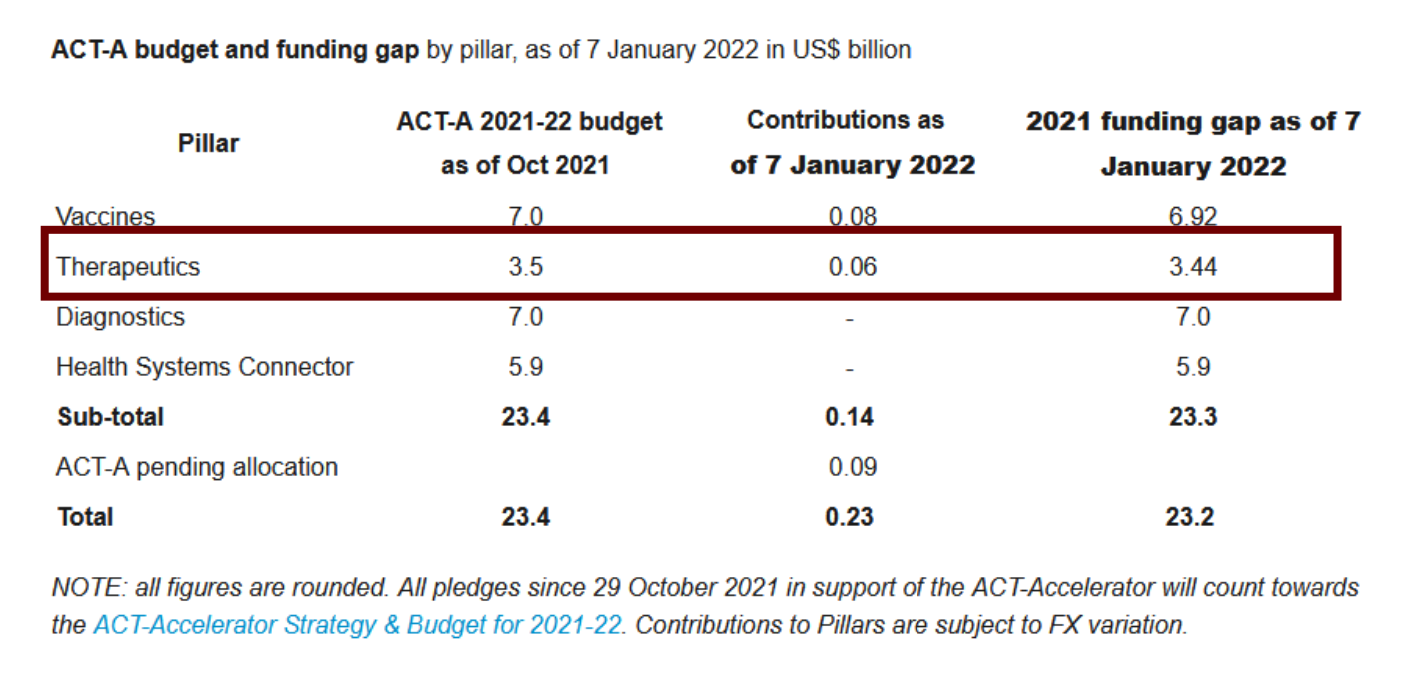
We also note that the Access to COVID-19 tools funding commitment tracker [see full announcement below] reports that the “Therapeutics” ACT-A 2021-22 budget of US$3.5 billion has received contributions of only USD$.06 billion as if January 7, 2022, a USD$3.44 billion shortfall.
Finally, we note that the ACT-Accelerator Strategic Plan & Budget: October 2021 to September 2022 [28 October 2021] addresses therapeutics: 3.3 Therapeutics Co-convened by Unitaid and Wellcome, with WHO The Therapeutics Pillar supports access to safe and effective therapeutics of assured quality to save millions of lives from COVID-19 and to minimise its global health and economic threat.
Context. With the challenges of an evolving pandemic and difficulty in large scale uptake of vaccines, therapeutics will remain critical in the COVID-19 response, saving lives and reducing the burden on health systems (see Section 1). Among existing options, medical oxygen and corticosteroids are mainstays of treatment for severe and critical COVID-19, along with recent additions to clinical guidelines. ACT-A is working to drive uptake of existing products and support equitable access to novel therapies for LICs and LMICs – despite challenges in supply, price, and implementation. To date, there have been few recommended therapeutics to treat mild and moderate cases in outpatient settings. But if proven effective, emerging oral outpatient drugs – deployed with tests -could fundamentally change the response. One example – subject to clinical review – could be the antiviral compound molnupiravir, for which promising interim results were recently announced. Effective oral outpatient drugs would offer a widespread, scalable way to stop disease progression, ease strain on health systems and reduce deaths.
Setting a target. Approximately 200 million COVID-19 cases are expected globally in the next 12 months20, with potential for increased case numbers due to new variants or continued transmission amongst the vaccinated21. The Therapeutics Pillar aims to treat up to ~120 million22 of these cases (6-8 million severe and 113 million mild / moderate), focusing on LICs, LMICs and UMICs.
Therapeutics Pillar priorities: To achieve that target by September 2022, the Therapeutics Pillar will prioritize deployment of existing effective products, including medical oxygen for severe and critical cases, introduction of new COVID-19 therapies once proven, especially those with a profile conducive to access in LICs and LMICs, and strengthening of research efforts to enrich the therapeutic clinical pipeline. Alongside this, there will be a need to ensure country readiness for effective implementation of tools, including supporting a test-and-treat strategy for outpatient care in eligible patients…
Access to COVID-19 tools funding commitment tracker– WHO
13 January 2022 | Publication :: Download (283.2 kB) Overview
The ACT-Accelerator Commitment Tracker provides transparent reporting on funding commitments made against ACT-Accelerator Pillar budgets.
Urgent action to address these financing requirements will boost the impact of the ACT-Accelerator achievements to date, fast-track the development and deployment of additional game-changing tools, and mitigate the risk of a widening gap in access to COVID-19 tools between low- and high-income countries.
The tracker is updated every 2 weeks on a Friday and based on data received from ACT-Accelerator Pillar co-conveners. All amounts are in USD and are subject to ForEx variations.
This commitment tracker was prepared by the ACT-A Hub with cooperation from the ACT-A partners.
The ACT-A Hub, hosted by WHO, appreciates the support of Germany and Kuwait in financing our coordination work.
Funding Snapshot since 29 October 2021
As of 29 October 2021, an unprecedented mobilization of sovereign funders and private sector, philanthropic and multilateral contributors had galvanized commitments of US$ 18.9 billion. The ACT Accelerator Commitment Tracker provides details of this funding, taking into account retrospective cost adjustments. The 2020-21 budget’s funding gap was US$ 14.3 billion.
Since 29 October 2021, all new pledges in support of the ACT-Accelerator will count towards the 2021-22 budget (see details in ACT-Accelerator Strategic Plan & Budget: October 2021 to September 2022). These pledges, counting towards the 2021-22 budget, total US$ 225 million as of 6 January 2022, bringing the 2021-22 funding gap to US$ 23.2 billion.
Interim Statement on COVID-19 vaccines in the context of the circulation of the Omicron SARS-CoV-2 Variant from the WHO Technical Advisory Group on COVID-19 Vaccine Composition (TAG-CO-VAC)
11 January 2022 Statement Key messages:
WHO has established the Technical Advisory Group on COVID-19 Vaccine Composition (TAG-CO-VAC) to review and assess the public health implications of emerging SARS-CoV-2 Variants of Concern (VOC) on the performance of COVID-19 vaccines and to provide recommendations to WHO on COVID-19 vaccine composition, as needed.
In the context of the circulation of Omicron SARS-CoV-2 Variant of Concern, the TAG-CO-VAC urges broader access globally to current COVID-19 vaccines for primary series and booster doses, in the hope that this also mitigates the emergence and impact of new VOCs.
The TAG-CO-VAC is considering the strain composition of COVID-19 vaccines, and encourages vaccine developers to gather data on a small scale on the breadth and magnitude of immune response for monovalent and multivalent vaccines against VOCs – this data would then be considered in a broader decision-making framework on vaccine composition by the TAG-CO-VAC.
…The TAG-CO-VAC is developing a framework to analyze the evidence on emerging VOCs in the context of criteria that would trigger a recommendation to change COVID-19 vaccine strain composition and will advise WHO on updated vaccine compositions, as required. This framework considers the global spread and transmissibility, clinical severity, genetic, antigenic and phenotypic characteristics of the VOC, including capacity for immune escape and assessments of vaccine effectiveness.[2]
This statement reflects the current understanding of the implications of the emergence of the Omicron variant on current COVID-19 vaccines and provides the TAG-CO-VACs current perspective on vaccine options for the future…
Composition of current and future COVID-19 vaccines
The TAG-CO-VAC considers that COVID-19 vaccines that have high impact on prevention of infection and transmission, in addition to the prevention of severe disease and death, are needed and should be developed. Until such vaccines are available, and as the SARS-CoV-2 virus evolves, the composition of current COVID-19 vaccines may need to be updated, to ensure that COVID-19 vaccines continue to provide WHO-recommended levels of protection against infection and disease[4] by VOCs, including Omicron and future variants.
The TAG-CO-VAC will consider a change in vaccine composition:
to ensure that vaccines continue to meet the criteria established in WHO’s Target Product Profile for COVID-19 vaccines, including protection against severe disease
to improve vaccine-induced protection.
To that aim, COVID-19 vaccines need to:
be based on strains that are genetically and antigenically close to the circulating SARS-CoV-2 variant(s);
in addition to protection against severe disease and death, be more effective in protection against infection thus lowering community transmission and the need for stringent and broad-reaching public health and social measures;
elicit immune responses that are broad, strong, and long-lasting in order to reduce the need for successive booster doses.
In line with this approach, there are many options to consider:
a monovalent vaccine that elicits an immune response against the predominant circulating variant(s), although this option faces the challenge of the rapid emergence of SARS-CoV-2 variants and the time needed to develop a modified or new vaccine;
a multivalent vaccine containing antigens from different SARS-CoV-2 VOCs;
a pan SARS-CoV-2 vaccine: a more sustainable long-term option that would effectively be variant-proof.
In the interim, the TAG-CO-VAC encourages COVID-19 vaccine manufacturers to generate and provide data on performance of current and Omicron-specific COVID-19 vaccines, including the breadth, magnitude, and durability of humoral and cell mediated immune responses to variants through monovalent and/or multivalent vaccines. These data will be considered in the context of the framework mentioned above to inform the TAG-CO-VAC decisions when changes to vaccine composition may be required. It would be important for vaccine manufacturers to take steps in the short-term for the development and testing of vaccines with predominant circulating variants and to share these data with the TAG-CO-VAC and other relevant WHO expert committees. Vaccine manufacturers are also encouraged to provide such data for any novel and broadly reactive SARS-CoV-2 vaccines that are developed.
The TAG-CO-VAC will continue to assess evidence on the predominant circulating VOC(s) with respect to properties of spread/transmissibility, clinical severity (virulence), genetic, antigenic and phenotypic characteristics of the VOC, including capacity for immune escape and assessments of vaccine effectiveness and impact, and information provided by manufacturers. The TAG-CO-VAC will then advise WHO on COVID-19 vaccine strain composition, which could potentially be developed either as a monovalent vaccine with the predominant circulating variant or a multivalent vaccine derived from different variants.
Addressing the challenge of continuing to ensure the production of the best possible vaccines in a timely manner requires a continuous exchange of information and collaboration between WHO and its expert groups, the TAG-CO-VAC, regulatory authorities, and COVID-19 vaccine manufacturers. WHO, on behalf of its Member States, is committed to facilitating this process.
This statement and its conclusions will be updated by the TAG-CO-VAC as data become available.
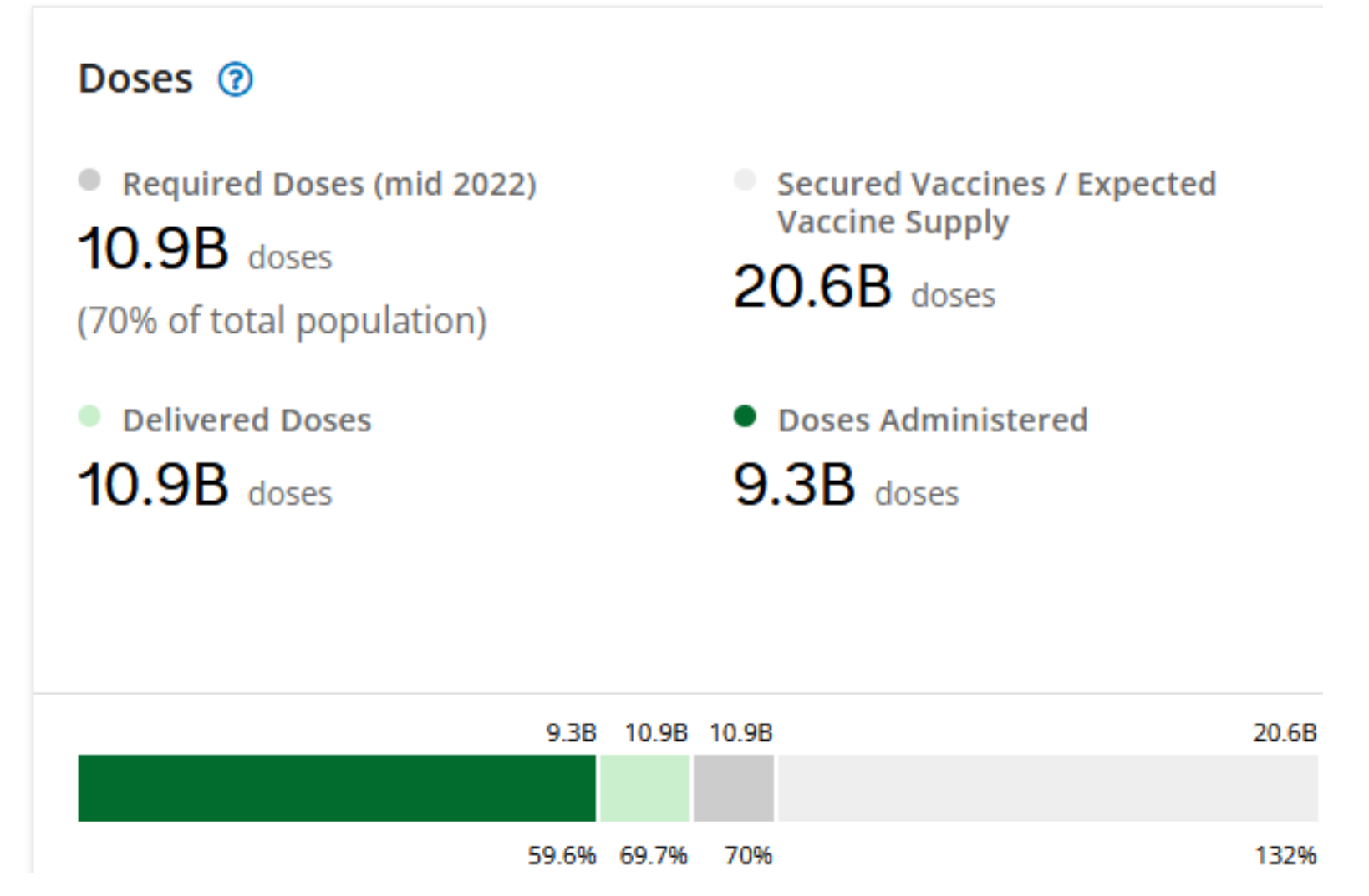
Weekly Epidemiological and Operational updates Last update: 14 Jan 2022 Confirmed cases :: 318 648 834 Confirmed deaths :: 5 518 343 Vaccine doses administered: 9 283 076 642
::::::
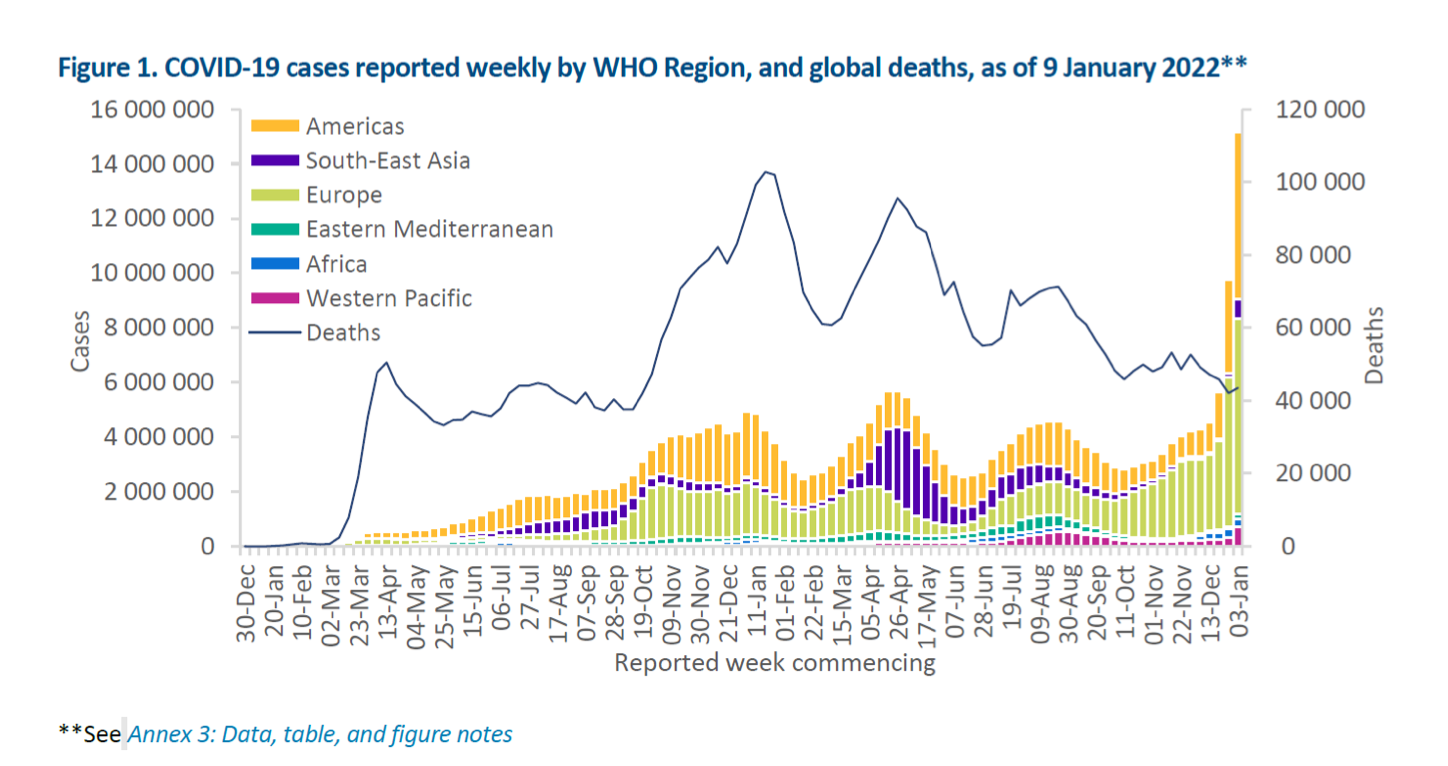
Weekly epidemiological update on COVID-19 – 11 January 2022 Overview Globally, during the week 3 – 9 January 2022, the new weekly COVID-19 cases increased markedly by 55%, while the new weekly deaths remained similar to those reported during the previous week. This corresponds to over 15 million new cases and over 43,000 new deaths. As of 9 January, over 304 million confirmed cases and over 5.4 million deaths have been reported. All regions reported an increase in the incidence of weekly cases except for the Africa Region, which reported an 11% decrease. The South-East Asia region reported the largest increase in new cases last week (418%), followed by the Western Pacific Region (122%), the Eastern Mediterranean Region (86%), the Region of the Americas (78%) and the European Region (31%). New weekly deaths increased in the African Region (84%) and Region of the Americas (26%) while it remained similar to the previous week in the Western Pacific Region. A decrease in new weekly deaths was reported in the Eastern Mediterranean Region (11%), the European Region (10%) and in the South-East Asia Region (6%). In this edition, we provide updates on the geographic distribution of circulating SARS-CoV-2 variants of concern (VOCs), and summarize their phenotypic characteristics based on available studies.
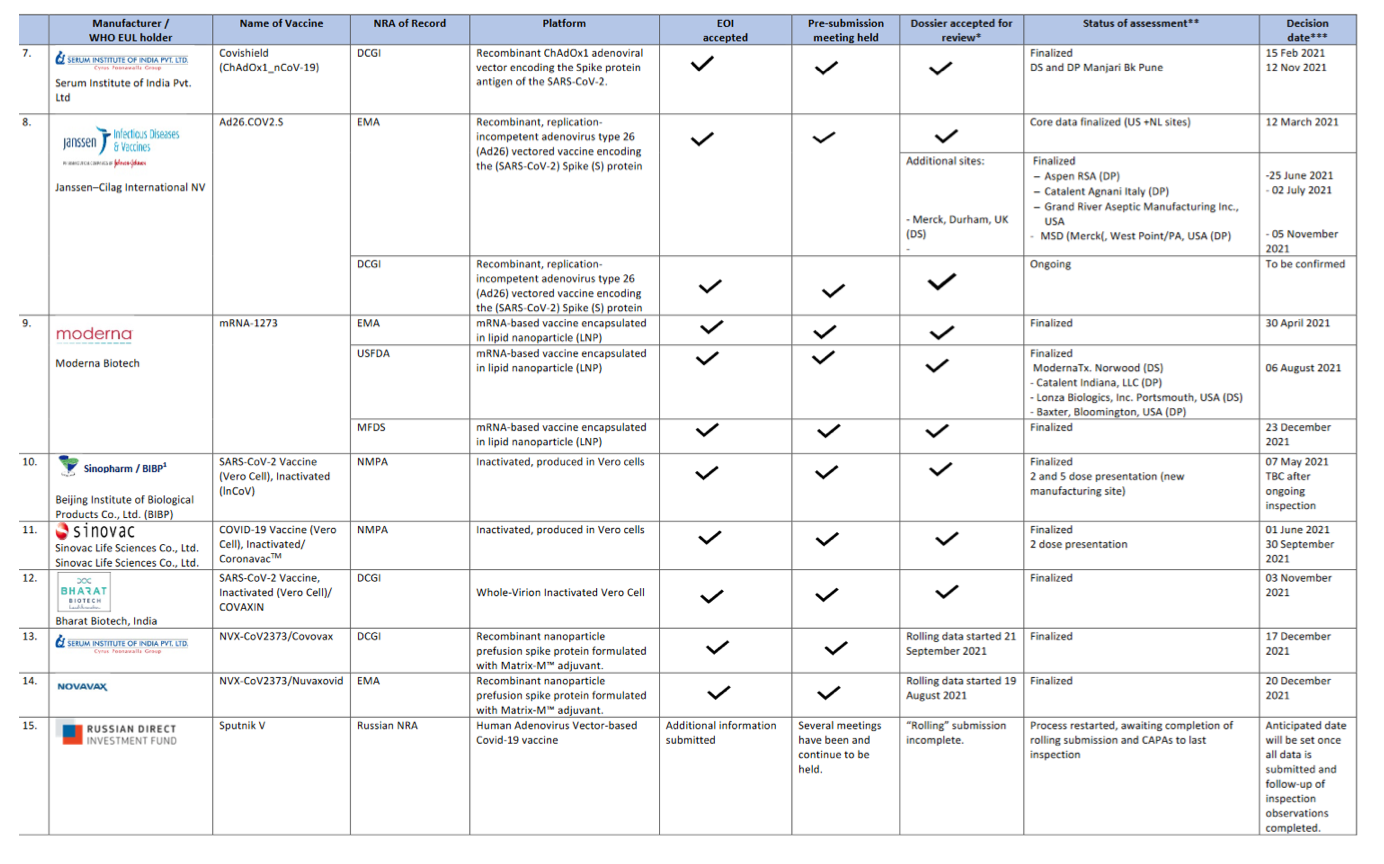
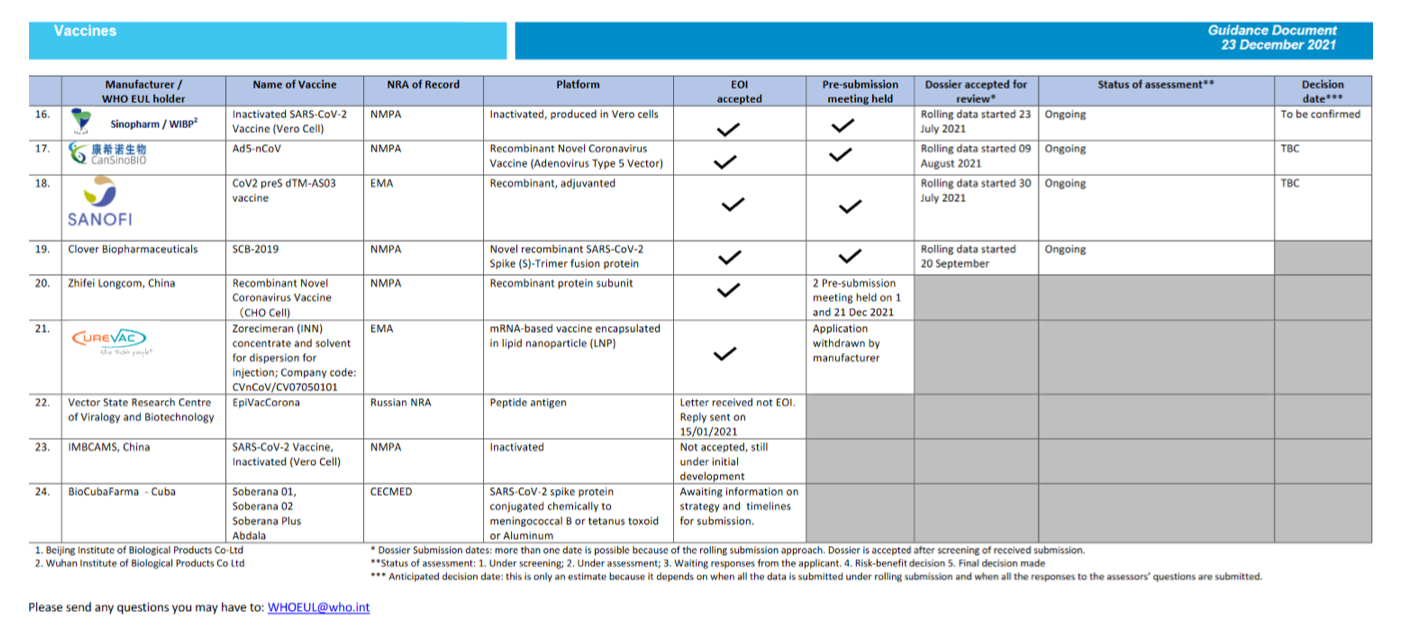
COVID Vaccines/Therapeutics – Developer/Manufacturer Announcements [Selected press releases/announcements from organizations from WHO EUL/PQ listing above and other organizations]
AstraZeneca Press Releases New Vaxzevria data further support its use as third dose booster 13 January 2022
::New data from ongoing trial showed increased antibody response against Beta, Delta, Alpha and Gamma variants following third dose booster with Vaxzevria
:: Additional analysis showed increased antibody response to Omicron after a third dose
Bharat Biotech Press Releases– No new digest announcements identified
BioCubaFarma – Cuba Últimas Noticias
13 de Enero, 2022
Más del 82% de la población cubana completó su esquema de vacunación.
[More than 82% of the Cuban population completed their vaccination schedule.]
12 de Enero, 2022
Abdala muestra una seroconversión superior al 98% en población pediátrica.
[Abdala shows a seroconversion greater than 98% in the pediatric population.]
CanSinoBIO News– [Website not responding at inquiry]
Clover Biopharmaceuticals – China News – No new digest announcements identified
Curevac [Bayer Ag – Germany] News – No new digest announcements identified
Gamaleya National Center Latest News and Events – No new digest announcements identified [See Russia/RFID below]
IMBCAMS, China Home– No new digest announcements identified
Janssen/JNJ Press Releases – No new digest announcements identified
Moderna Press Releases – No new digest announcements identified
Merck News releases – No new digest announcements identified
Novartis News Media Release Jan 10, 2022 Novartis and Molecular Partners report positive topline data from Phase 2 study for ensovibep (MP0420), a DARPin antiviral therapeutic for COVID-19
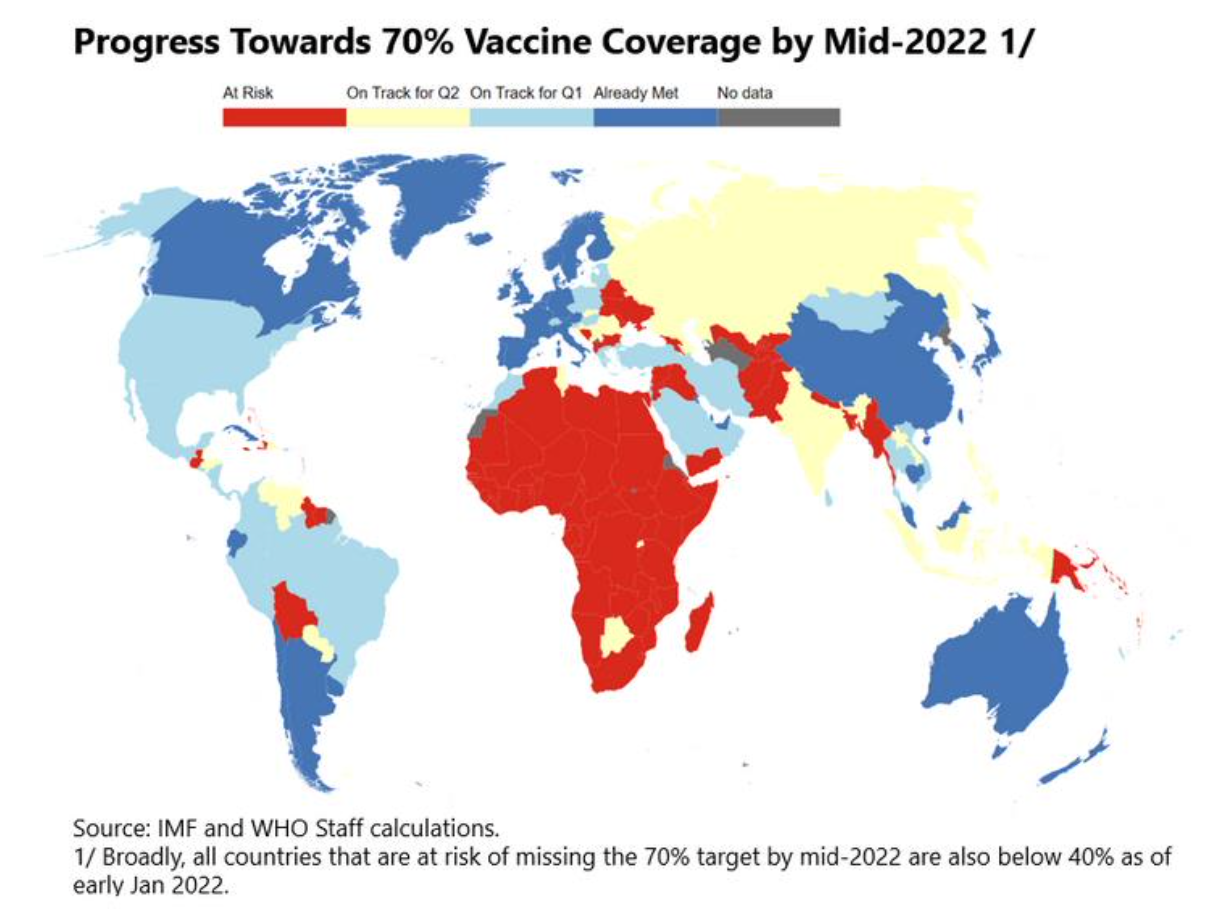
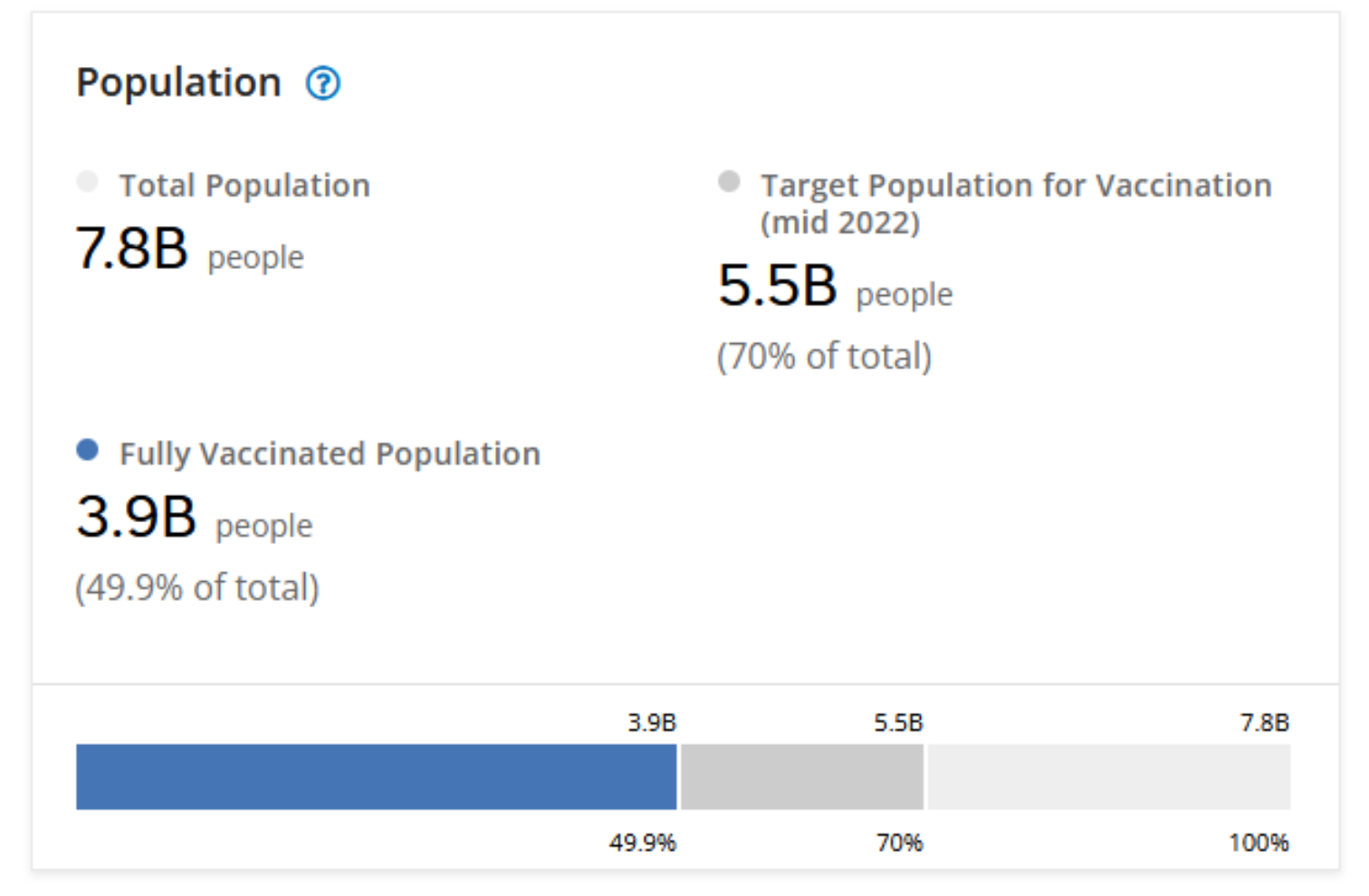
COVID-19 Global Targets and Progress Tracker – IMF The COVID-19 Global Targets and Progress Tracker presents a consolidated view of the progress towards global COVID-19 targets, barriers in access to COVID-19 tools, and delivery of donor pledges. The global targets presented in the Tracker are based on an alignment of the targets identified in the IMF Pandemic Proposal, ACT-A Strategic Plan & Budget, and the US-hosted Global C19 Summit, and as such have been reaffirmed by multilateral institutions and global leaders. We will continue to enhance the tracker as we improve our data collection efforts.
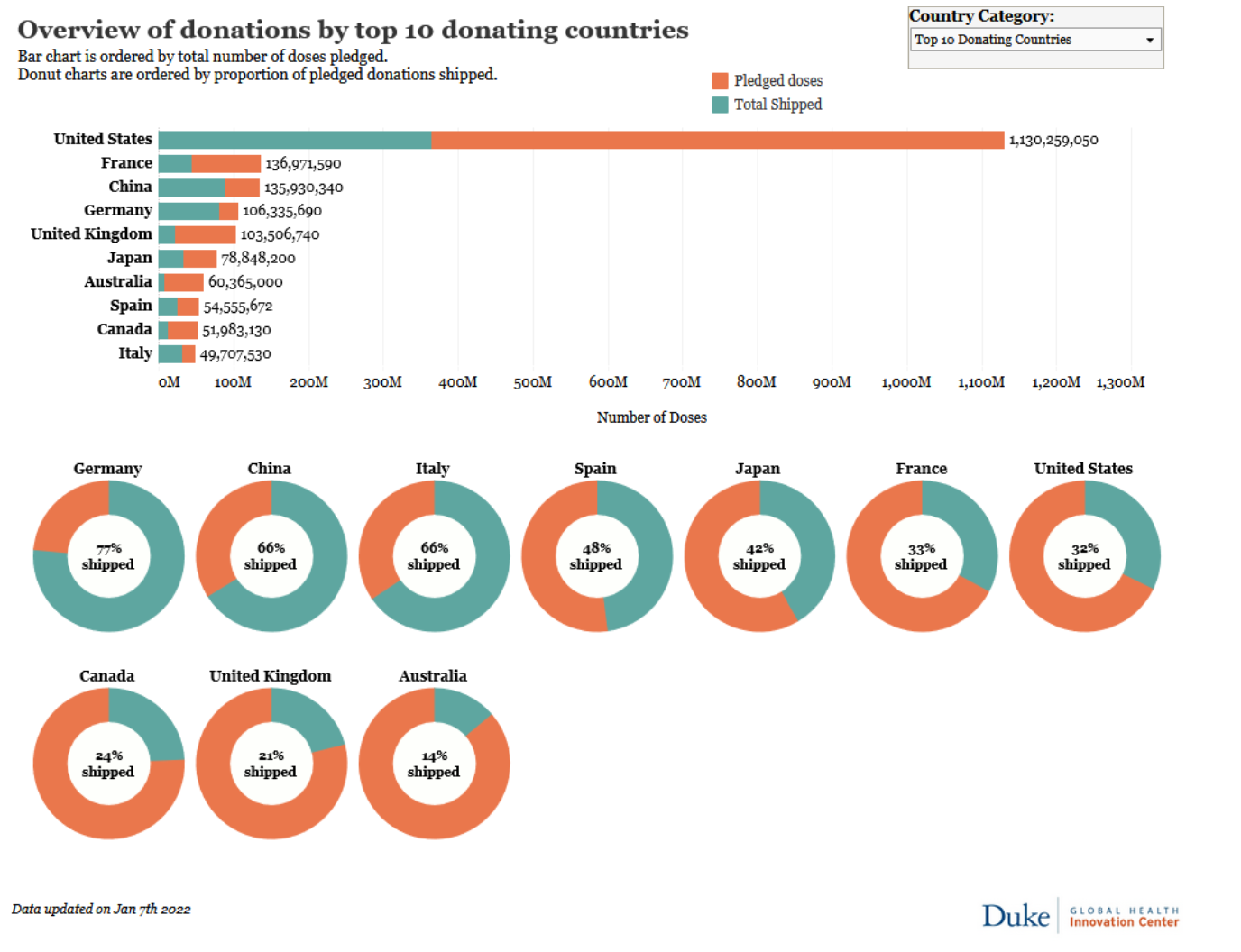
Duke – Launch and Scale Speedometer The Race for Global COVID-19 Vaccine Equity A flurry of nearly 200 COVID-19 vaccine candidates are moving forward through the development and clinical trials processes at unprecedented speed; more than ten candidates are already in Phase 3 large-scale trials and several have received emergency or limited authorization. Our team has aggregated and analyzed publicly available data to track the flow of procurement and manufacturing and better understand global equity challenges. We developed a data framework of relevant variables and conducted desk research of publicly available information to identify COVID vaccine candidates and status, deals and ongoing negotiations for procurement and manufacturing, COVID burden by country, and allocation and distribution plans. We have also conducted interviews with public officials in key countries to better understand the context and challenges facing vaccine allocation and distribution [accessed 24 July 2021] See our COVID Vaccine Purchases research See our COVID Vaccine Manufacturing research See our COVID Vaccine Donations & Exports research
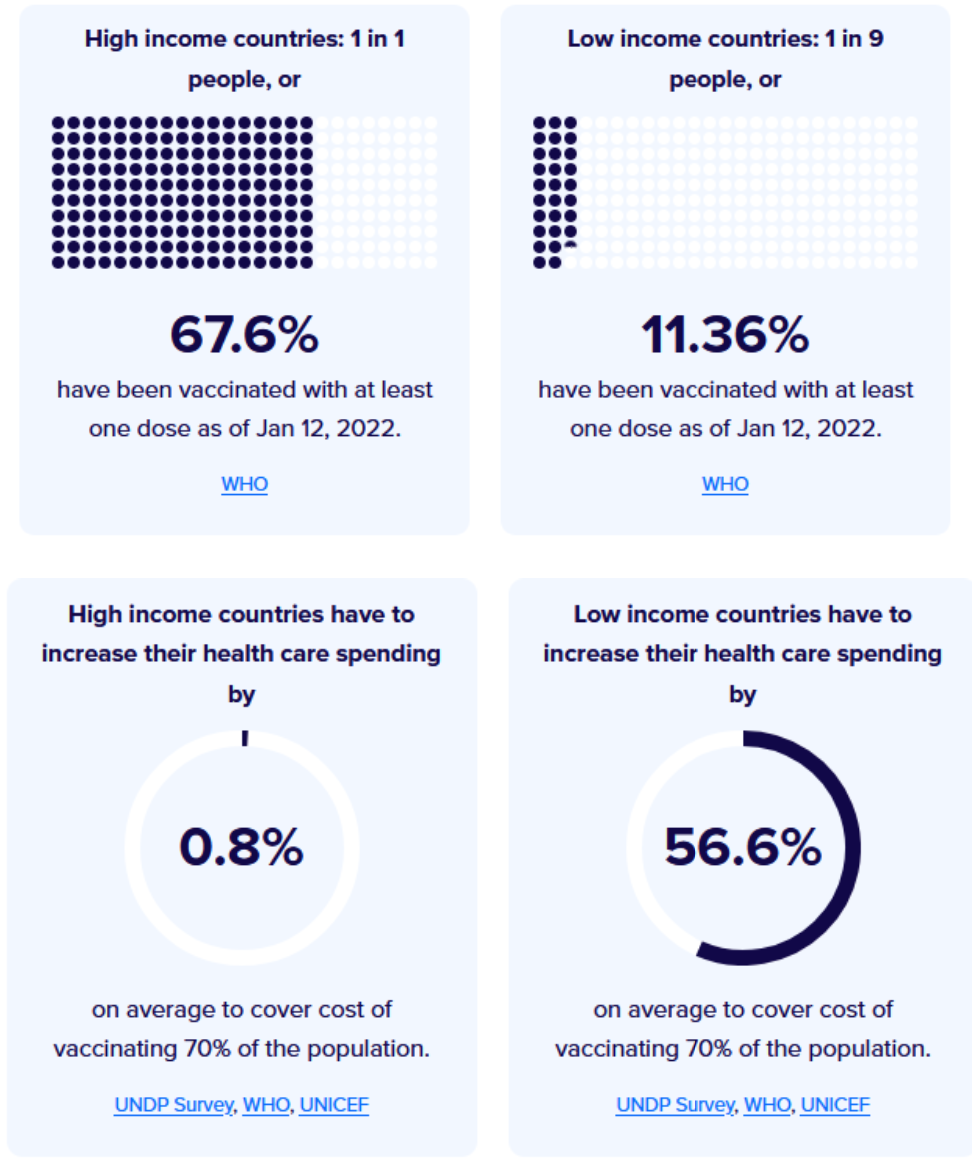
Global Dashboard on COVID-19 Vaccine Equity The Dashboard is a joint initiative of UNDP, WHO and the University of Oxford with cooperation across the UN system, anchored in the SDG 3 Global Action Plan for Healthy Lives and Well-being for All.
COVID-19 Data Explorer: Global Humanitarian Operations COVID-19 Vaccine Roll-out 15 Jan 2022 | COVAX (WHO,GAVI,CEPI), UNDESA, Press Reports | DATA Global COVID-19 Figures: 318M total confirmed cases; 5.5M total confirmed deaths Global vaccines administered: 9.57B
Number of Countries: 30
COVAX Allocations Round 4-9 (Number of Doses): 220M
COVAX Delivered (Number of Doses): 270M
Other Delivered (Number of Doses): 340M
Total Delivered (Number of Doses): 610M
Total Administered (Number of Doses): 460M
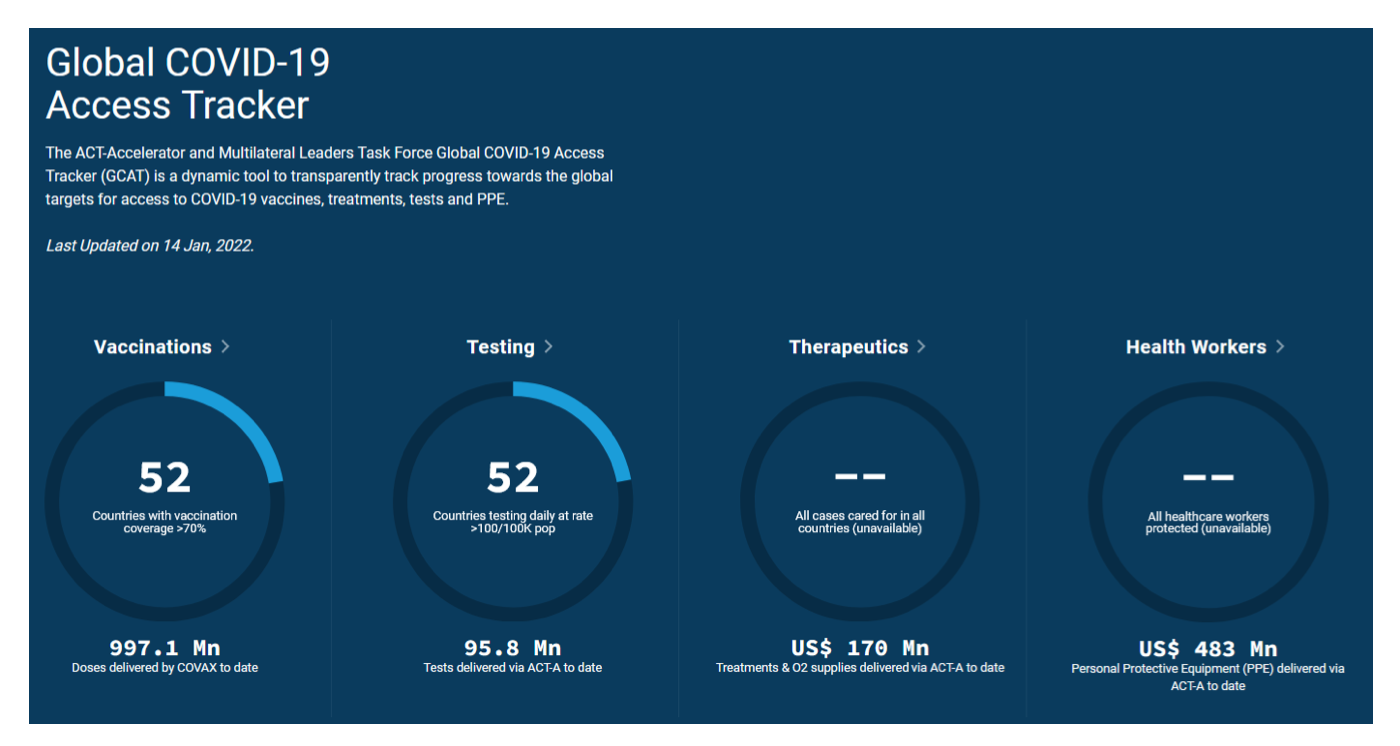
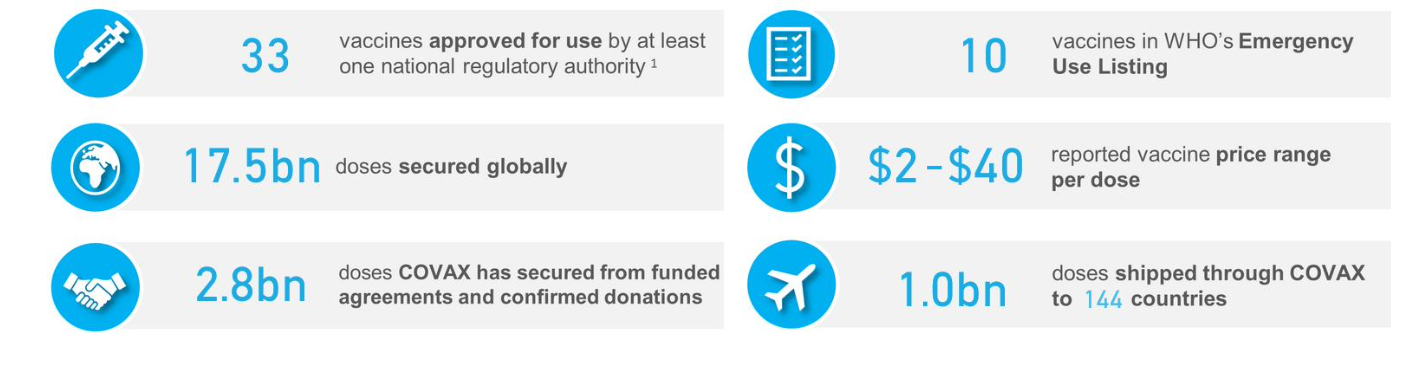
Multilateral Leaders Task Force on COVID-19 [IMF, World Bank Group, WHO, WTO] https://data.covid19taskforce.com/data A global effort to help developing countries access and deliver COVID-19 vaccines, testing, and therapeutics, as they work to end the pandemic and boost economic recovery. The International Monetary Fund, World Bank Group, World Health Organization and World Trade Organization have joined forces to accelerate access to COVID-19 vaccines, therapeutics and diagnostics by leveraging multilateral finance and trade solutions, particularly in low- and middle-income countries. Website accessed 15 Jan 2022: https://data.covid19taskforce.com/data The global view below is complemented by country-specific dashboards here.
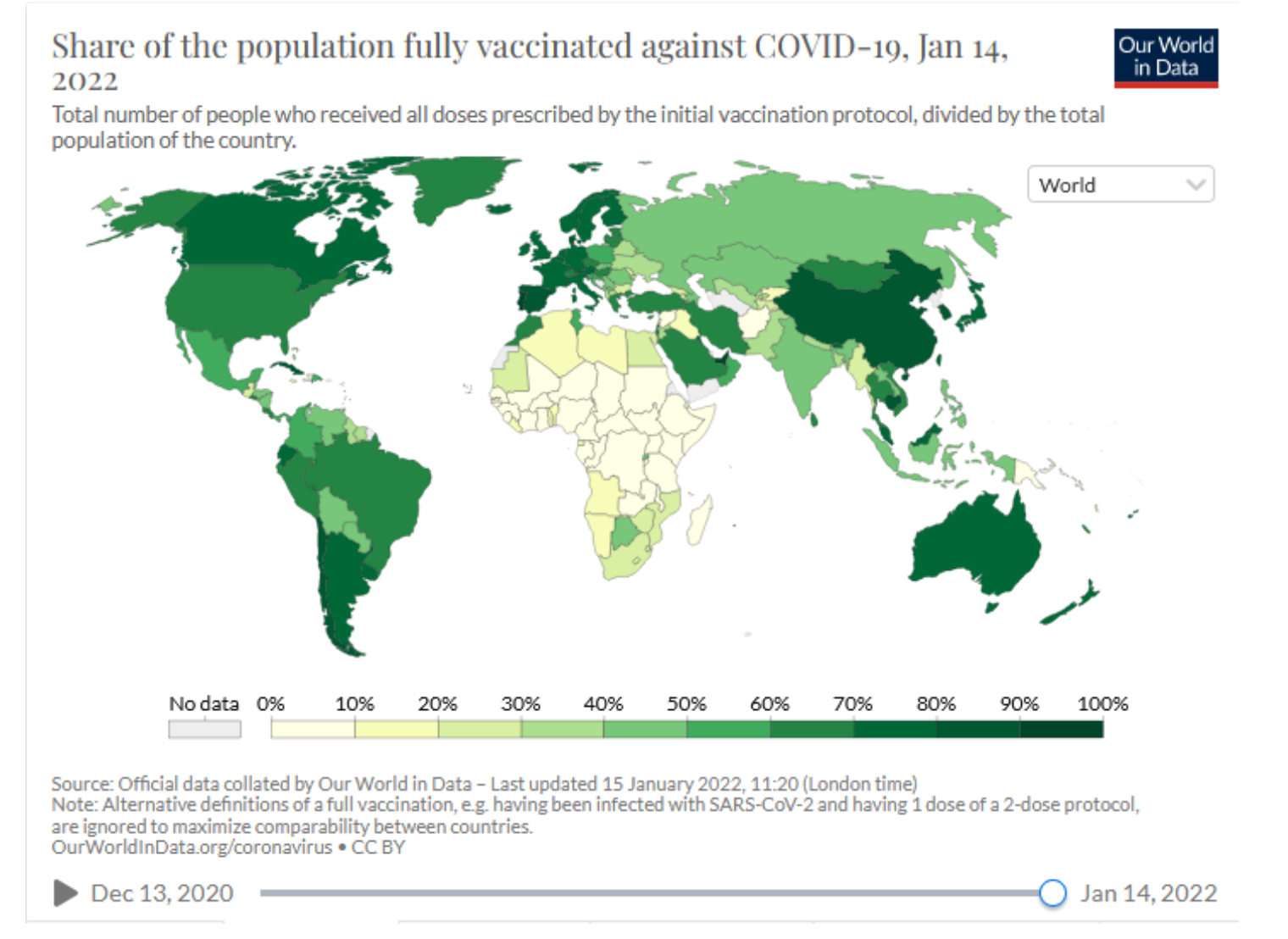
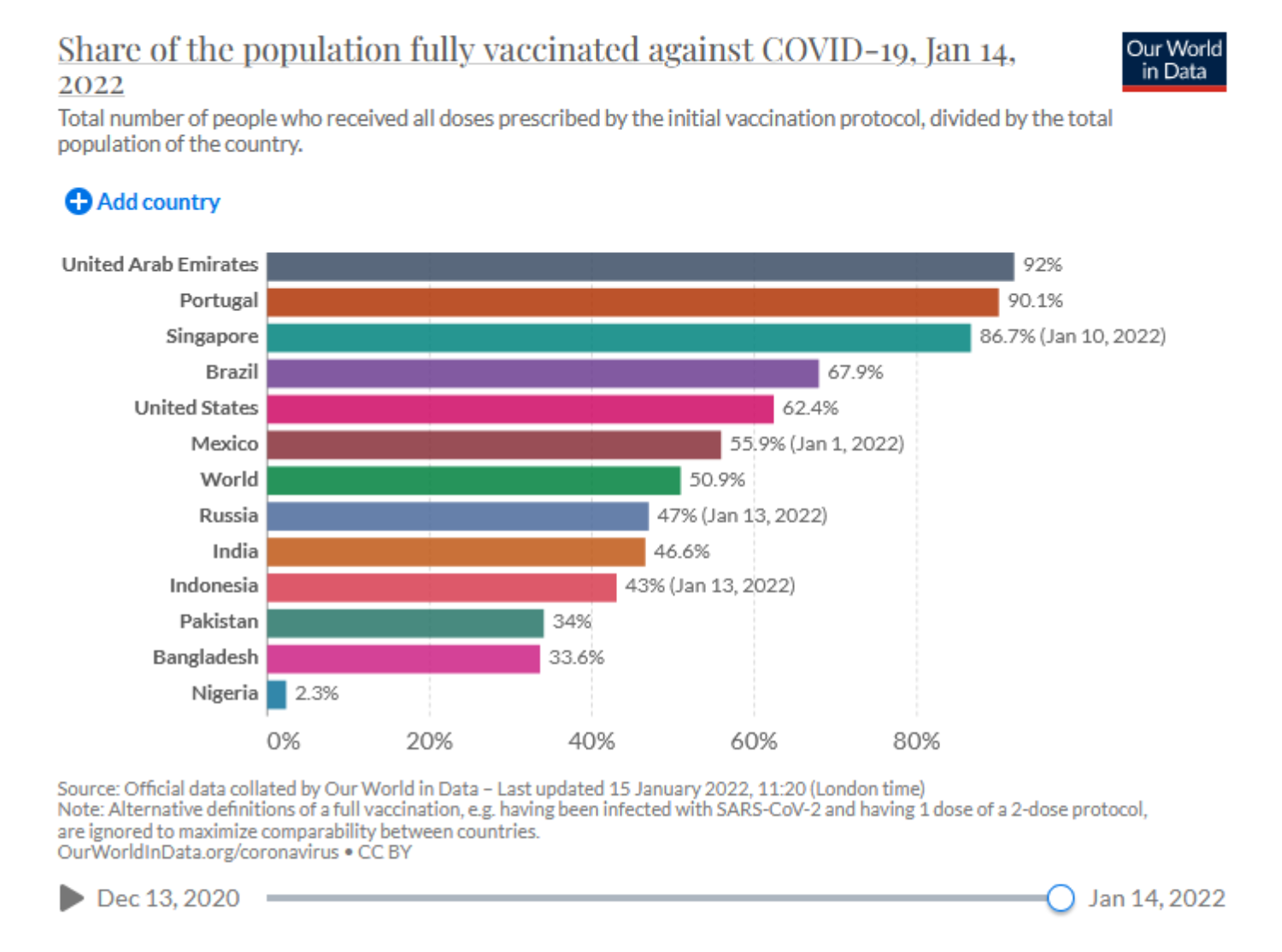
Our World in Data Coronavirus (COVID-19) Vaccinations[Accessed 15 Jan 2022] :: 59.7% of the world population has received at least one dose of a COVID-19 vaccine. :: 9.63 billion doses have been administered globally, and 33.58 million are now administered each day. :: Only 9.5% of people in low-income countries have received at least one dose.