Addis Ababa, Ethiopia: The Africa Centres for Disease Control and Prevention today released the results of a new 27-country analysis on the health and economic impact of COVID-19 vaccination. The retrospective study on the roll-out of COVID-19 vaccine programmes demonstrated that earlier start dates and rapid scale-up delivered greater health benefits – measured in terms of hospitalizations and deaths averted – and were more cost-effective when compared with programs that started later and scaled more slowly. Furthermore, the benefits of COVID-19 vaccines vary widely depending on the pace of roll-out, the population targeted, and the type of vaccines used in the campaigns. The analysis also drew on research from Kenya, Nigeria, Ethiopia and South Africa.
The analysis demonstrated that vaccine programs deliver the best value for money when focused on the most vulnerable, including the elderly, pregnant women, health workers and those with comorbidities. This is especially true in countries with a low overall risk of severe outcomes from COVID-19, such as nations with younger populations or that have already had significant exposure to the virus. In Kenya, researchers found that scaling up to 30% of the population, but focusing on the elderly, was far more effective than reaching 70% coverage of the general population. Nigerian researchers found the same result when modelling targeted scale-up to 25% of the population.
“The evidence is clear – countries should aim to vaccinate those most at risk, as quickly as possible, with the most cost-effective vaccines available to them,” said Dr. Ahmed Ogwell Ouma, Deputy Director of the Africa CDC. “This is how we can save the most lives and deliver the highest value for money.”…
Careful readers will note that the number and range of organizations now monitored in our Announcements section below has grown as the impacts of the pandemic have spread across global economies, supply chains and programmatic activity of multilateral agencies and INGOs.
The Bill & Melinda Gates Medical Research Institute is a non-profit biotech organization. Our mission is to develop products to fight malaria, tuberculosis, and diarrheal diseases—three major causes of mortality, poverty, and inequality in developing countries. The world has unprecedented scientific tools at its disposal; now is the time to use them to save the lives of the world’s poorest people
The European & Developing Countries Clinical Trials Partnership (EDCTP) aims to accelerate the development of new or improved drugs, vaccines, microbicides and diagnostics against HIV/AIDS, tuberculosis and malaria as well as other poverty-related and neglected infectious diseases in sub-Saharan Africa, with a focus on phase II and III clinical trials
Global Health and Prosperity Initiative, which supports the global response to the COVID-19 pandemic and strengthening health resilience in developing countries.
The Global Fund to Fight AIDS, Tuberculosis and Malaria applauds the decision by New Zealand to contribute NZ$8 million to the Global Fund’s COVID-19 Response Mechanism (C19RM). The new funding will help provide lifesaving diagnostic tests, treatment…
The Global Fund to Fight AIDS, Tuberculosis and Malaria thanks the European Union and Team Europe for their contribution to the Global Fund’s COVID-19 Response Mechanism (C19RM). The President of the European Commission, Ursula von der Leyen, announc…
The Board of the Global Fund to Fight AIDS, Tuberculosis and Malaria held its 47th Board meeting this week in Geneva. A few months ahead of the Global Fund’s Seventh Replenishment Conference to be hosted by the United States, the Board renewed its ca…
The Global Fund, the United States and Unitaid, together with FIND and other ACT-Accelerator partners, are launching over US$120 million in support to countries for test-and-treat programs to prevent hospitalizations and deaths from COVID-19 for thos…
A statement from Peter Maurer, president of the International Committee of the Red Cross (ICRC), following a trip to Syria this week: Damascus (ICRC) – It takes years, sometimes decades, for societies shattered by conflict to recover.
More than 10.5 million people in Burkina Faso, Mali, Niger and Mauritania are at risk of facing hunger during the upcoming agricultural lean period — the time between harvests when food stocks are most depleted — as conflict worsens an ongoing foo
12-05-2022 | News release
International Coalition of Medicines Regulatory Authorities [ICMRA]
ISC is a non-governmental organization with a unique global membership that brings together 40 international scientific Unions and Associations and over 140 national and regional scientific organizations including Academies and Research Councils.
The question of who owns the copyright to scientific publications, such as journal articles, is complex and contested. Jenice Jean Goveas looks at the issue and considers some of the recent initiatives designed to support authors to retain rights to their published work.
International Union of Immunological Societies (IUIS)
2 ECCP projects to contribute to the government’s efforts towards control and prevention of cholera and diarrheal diseases
May 13, 2022, SEOUL, Korea — The International Vaccine Institute (IVI), in collaboration with LG Electronics, the Ethiopian government led by Armaur Hansen Research Institute (AHRI), and the Ethiopian Public Health Institute (EPHI), will vaccinate 40,000 people against cholera in May to support prevention of the disease in Ethiopia. In a separate but coordinated project funded by other Korean donors, IVI and Ethiopian partners will immunize an additional 60,000 people against the diarrheal disease in Ethiopia…
Johns Hopkins Center for Health Security [to 14 May 2022]
To enhance and coordinate its research on autoimmune diseases the National Institutes of Health should create an Office of Autoimmune Disease-Autoimmunity Research and a plan that spans all institutes and centers to provide an overall NIH strategy for autoimmune disease research.
Automated research workflows – which integrate computation laboratory automation and tools from artificial intelligence – have the potential to increase the speed of research activities and accelerate scientific discovery. A new report recommends ways to advance their development.
National Vaccine Program Office – U.S. HHS [to 14 May 2022]
May 12, 2022 — The injection was found to be safe, well-tolerated and induced a neutralizing antibody response in adult volunteers [eastern equine encephalitis virus (EEEV), western equine encephalitis virus (WEEV), and Venezuelan equine encephalitis virus (VEEV)],
In response to the commitments made at President Biden’s Second COVID-19 Summit today, especially the licensing of publicly owned medical technologies, such as the stabilized spike protein for use by the World Health Organization’s (WHO) COVID-19 Technology Access Pool (C-TAP) through the Medicines Patent Pool (MPP), Robbie Silverman, Oxfam America’s Senior Manager of Private Sector Advocacy, made the following statement:
“Today’s announcement that the US will share its technology with the COVID-19 Technology Access Pool sets a welcome and bold example for the sharing of essential technologies we all need. Now we need to see this kind of leadership from the US at the WTO.
“We hope today’s announcement encourages similar moves on other US-funded technologies and spur major vaccine manufacturers to heed the US’s example. Much more can be done to ensure that everyone, everywhere is protected in this ongoing pandemic. The US should also urgently step up its funding commitments at least to the full $5 billion requested.
“Even with this little bit of progress, we still urgently need a WTO TRIPS waiver that waives intellectual property for vaccines, tests, and treatments to ensure that all countries have the technology and resources to vaccinate, test and treat people…”
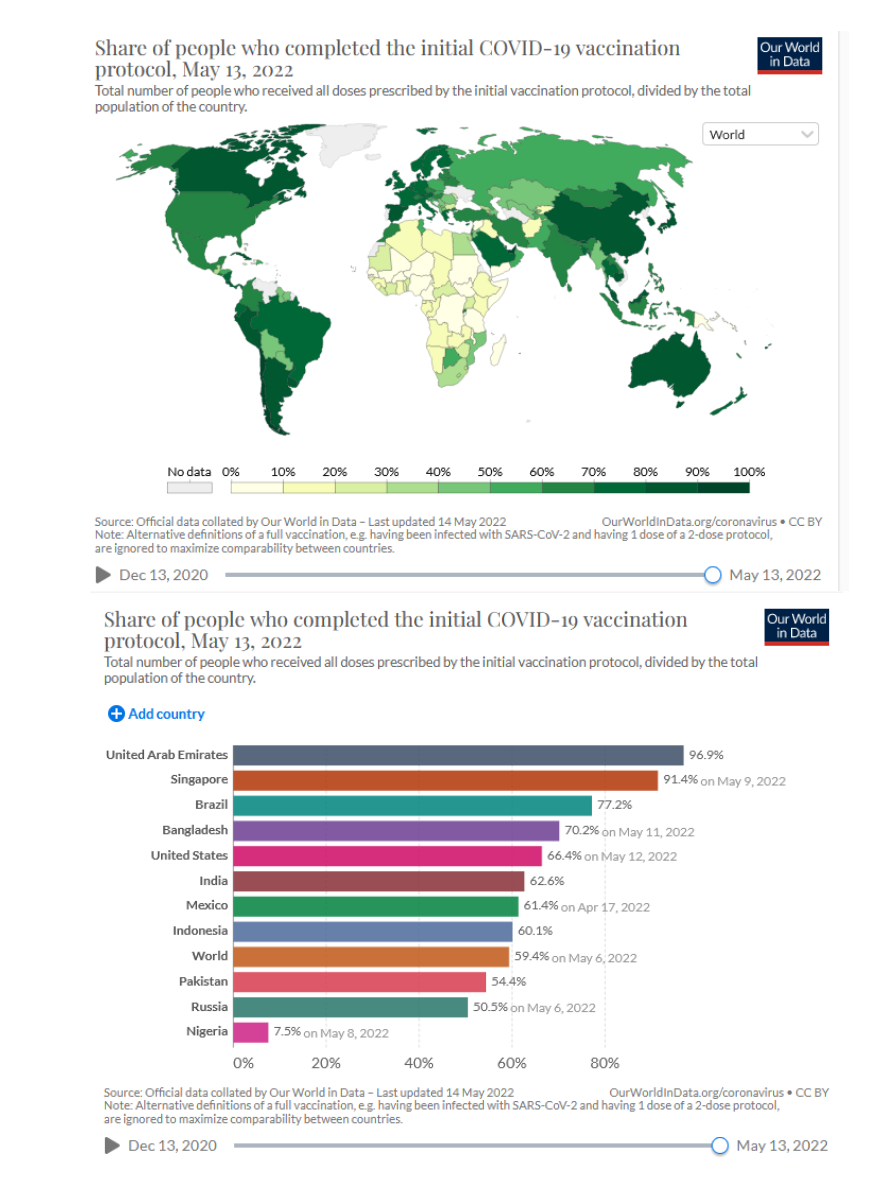
World leaders have not done enough to achieve their goal of vaccinating 70% of people in each country by September, campaigners with the People’s Vaccine Alliance warned ahead of the second virtual summit on COVID-19 hosted by US President Biden along with Belize, Germany, Indonesia, and Senegal. The World Health Organization’s target of reaching 70% by mid-year is even further out of reach.
PATH looks forward to supporting even greater alignment in advancing digital public goods to increase donor and country confidence in the value of adapting and scaling specific digital tools… Digital Public Goods Alliance (DPGA)
PATH joins global leaders in pledging concrete commitments to advance the goals of the Second Global COVID-19 Summit: to vaccinate the world, save lives now, and build better health security.
PATH’s commitments at the US COVID-19 Summit
To support these goals, PATH is proud to announce additional commitments, namely:
PATH will help vaccinate the world by supporting COVID-19 vaccination campaigns. We will provide training, mentorship, and supervision to health workers tasked with vaccination and deploy and scale digital tools to track vaccination and generate demand through targeted social media campaigns. This includes a US$5 million investment to reach an estimated 20 million vaccine-hesitant individuals in 2 years.
We will also support the development of a new affordable COVID-19 vaccine that could be manufactured in Brazil, Thailand, and Vietnam.
To save lives now, we will work with key partners to improve oxygen delivery in 10 countries through research, innovation, policy and advocacy, stakeholder engagement, and implementation support. We will also support the creation of healthy and sustainable markets for oxygen systems to expand access to this lifesaving medicine.
We will stand up interoperable digital systems in four countries to provide country governments with the information they need to identify and manage outbreaks, vaccination coverage, vaccine supplies and track vaccination records.
We will advance the affordability and reliability of COVID-19 diagnostics by performing market analyses, supporting the development of new technologies, navigating regulatory processes and requirements, and performing research that drives decision-making for health system stakeholders.
We will build better health security by using our expertise to equip world leaders with the information they need to design a better architecture for global health security.
Finally, we will work across our global team of advocates to hold leaders accountable to their commitments and to secure political support for the establishment of a new global health security and pandemic preparedness fund as well as other policies and funding to prevent and respond to future pandemics.
Statement by the Under-Secretary-General for Humanitarian Affairs and Emergency Relief Coordinator, Martin Griffiths, the UN High Commissioner for Refugees, Filippo Grandi, and the Administrator of the United Nations Development Programme (UNDP), Achim Steiner
Geneva – Unitaid welcomes the Clinton Health Access Initiative (CHAI) announcement on agreements with leading generic manufacturers to make nirmatrelvir/ritonavir available to low- and middle-income countries (LMICs) at under US$25 per treatment course. The agreements also settle on production guarantee and allocation capacity for 4.5 million treatment courses per month for LMICs.
Pfizer’s oral COVID-19 treatment — a combination of nirmatrelvir and ritonavir tablets sold under the name Paxlovid — was strongly recommended by the World Health Organization (WHO) last month, based on evidence on prevention of hospitalization and death for mild-to-moderate COVID-19 patients at high risk of developing severe forms of the disease, when administered in early stages of the infection.
These agreements represent an important step in the global COVID-19 response, building on the groundwork Unitaid and partners of the Access to COVID-19 Tools (ACT) Accelerator’s therapeutics pillar have laid to ensure equitable, rapid and affordable access to new treatment options. Focused efforts are aimed at introducing those treatments in LMICs alongside adequate testing to realize the promise of test-and-treat strategies in decentralized settings…
Joint Statement on the Special Session of the World Health Organization Regional Committee for EuropeThe World Federation of Public Health Associations (WFPHA), the European Public Health Alliance (EPHA), the European Public Health Association…
Context Priority Areas Country Examples Resources Context Menstrual Health and Hygiene (MHH) is essential to the well-being and empowerment of women and adolescent girls. On any given day, over 800…
Good morning, afternoon, and evening to colleagues around the world. This Summit is timely. COVID-19 and its consequences remain ever present. The World Bank Group is working hard to…
The COVID-19 pandemic exacerbated poverty and threatened livelihoods in Liberia. The need to respond to this challenge spurred the expansion and digitization of the government’s ongoing cash transfer program. The Liberia Social Safety Nets Project launched the government’s first-ever urban cash transfer program. It provided emergency cash transfers for close to 15,000 households living in vulnerable communities in the Greater Monrovia area, which had recorded the highest number of COVID-19 cases in Liberia. These households received the cash transfers in their mobile wallet accounts. Importantly, up to 70 percent of cash recipients were women.
In meetings this week with the heads of leading UN System international agencies, WTO Director-General Ngozi Okonjo-Iweala said that cooperation on trade would be critical to addressing global challenges such as high food prices and the ongoing pandemic and urged them to support WTO members’ efforts to deliver results at the upcoming 12th Ministerial Conference (MC12), to be held between 12-15 June 2022 in Geneva.
Speaking to a meeting of the General Council on 9 May, WTO Director-General Ngozi Okonjo-Iweala called on WTO members to step up efforts to deliver substantive outcomes at the organization’s upcoming 12th Ministerial Conference (MC12) in Geneva on 12-15 June.
::::::
ARM [Alliance for Regenerative Medicine] [to 14 May 2022]
Scientists stand ready, once again, to help world leaders increase access to critical vaccines and therapies
May 12, 2022
The White House today hosted world leaders and key public and private sector partners at the second Global COVID-19 Summit, a virtual event. Following the conversation, Dr. Michelle McMurry-Heath, President and CEO of the Biotechnology Innovation Organization (BIO), made the following remarks:
“For the last two years, the scientists within the life sciences industry have worked tirelessly to develop therapeutics and vaccines to fight COVID-19 and save lives. In addition to creating these lifesaving treatments, we have worked with key partners – including governments, NGOs, and more – to promote greater vaccine equity and access around the world.
“We have made a lot of progress in this effort. In 2021 alone, companies produced more than 11 billion doses of COVID vaccines, enough to give two shots to every adult on the planet. We anticipate that number jumping to 18.6 billion by the end of this year.
“However, as has been made clear at today’s Second COVID-19 Summit, there is still work to be done to help overcome global vaccine hesitancy and to ensure countries around the globe have the health care infrastructure they need to get more shots in arms.
“BIO is encouraged by the recommitment of global leaders, including the United States, to strengthen COVID-19 response efforts. The scientists within the life sciences industry stand ready, once again, to help achieve this critical goal of increasing access to vaccines and therapeutics.”
DCVMN – Developing Country Vaccine Manufacturers Network [to 14 May 2022]
Journal Watch Vaccines and Global Health: The Week in Review continues its weekly scanning of key peer-reviewed journals to identify and cite articles, commentary and editorials, books reviews and other content supporting our focu-s on vaccine ethics and policy. Journal Watch is not intended to be exhaustive, but indicative of themes and issues the Center is actively tracking. We selectively provide full text of some editorial and comment articles that are specifically relevant to our work. Successful access to some of the links provided may require subscription or other access arrangement unique to the publisher.
If you would like to suggest other journal titles to include in this service, please contact David Curry at: david.r.curry@centerforvaccineethicsandpolicy.org
Health Equity in US Latinx Communities
Latinx communities in the US include over 60 million people with a plurality of political beliefs, cultural practices, and wealth. This diversity is also expressed in population health data: some health indicators suggest advantages of Latinx community membership while other data demonstrate inequitable disease burden and maldistribution of environmental and occupational risk. Legacies of colonial conquest of the Americas persist in discrimination and marginalization today and are embodied by members of our Latinx communities.
Continued effectiveness of COVID-19 vaccination among urban healthcare workers during delta variant predominance Data on COVID-19 vaccine effectiveness (VE) among healthcare workers (HCWs) during periods of delta variant predominance are limited.
Authors: Fan-Yun Lan, Amalia Sidossis, Eirini Iliaki, Jane Buley, Neetha Nathan, Lou Ann Bruno-Murtha and Stefanos N. Kales
Citation: BMC Infectious Diseases 2022 22:457
Content type: Research Published on: 12 May 2022
Multi-site observational maternal and infant COVID-19 vaccine study (MOMI-vax): a study protocol Pregnant women were excluded from investigational trials of COVID-19 vaccines. Limited data are available to inform pregnant and postpartum women on their decisions to receive a COVID-19 vaccine.
Authors: Flor M. Munoz, Richard H. Beigi, Christine M. Posavad, Barbra A. Richardson, Helen Y. Chu, Karin Bok, James Campbell, Cristina Cardemil, Emily DeFranco, Robert W. Frenck, Mamodikoe Makhene, Jeanna M. Piper, Jeanne Sheffield, Ashley Miller and Kathleen M. Neuzil
Citation: BMC Pregnancy and Childbirth 2022 22:402
Content type: Study protocol Published on: 12 May 2022
Experience of discrimination during COVID-19 pandemic: the impact of public health measures and psychological distress among refugees and other migrants in Europe The COVID-19 pandemic has had a disproportionately hard impact on refugees and other migrants who are often exposed to the virus with limited means to protect themselves. We tested the hypothesis that during t…
Authors: Mattia Marchi, Federica Maria Magarini, Antonio Chiarenza, Gian Maria Galeazzi, Virginia Paloma, Rocío Garrido, Elisabeth Ioannidi, Katerina Vassilikou, Margarida Gaspar de Matos, Tania Gaspar, Fabio Botelho Guedes, Nina Langer Primdahl, Morten Skovdal, Rebecca Murphy, Natalie Durbeej, Fatumo Osman…
Citation: BMC Public Health 2022 22:942
Content type: Research Published on: 11 May 2022
Featured Article Inducing broad-based immunity against viruses with pandemic potential
Alessandro Sette, Erica Ollmann Saphire
Saphire and Sette discuss potential approaches for vaccine development against the broad array of SARS-CoV-2 variants and other viruses of pandemic potential. Approaches that elicit both humoral and cellular responses are considered and are expected to be synergistic with each other, providing humanity with the best chance to defend against the next pandemic.
Reviews Mucosal immune responses to infection and vaccination in the respiratory tract
Robert C. Mettelman, E. Kaitlynn Allen, Paul G. Thomas
Thomas and colleagues present an overview of pulmonary immunity, covering innate and adaptive responses following infection and vaccination, with a particular focus on responses to influenza and SARS-CoV-2. They also highlight exciting recent advances and the importance of continuing research efforts into human respiratory health.
Immunological defense of CNS barriers against infections
Leonel Ampie, Dorian B. McGavern
Neuroanatomical barriers are defended by the immune system to safeguard the CNS parenchyma from pathogens. Ampie and McGavern review the anatomy and development of CNS barriers as well as their immunological composition during steady state and in response to infections. They also explore how to protect these barriers via vaccination and then discuss the immunology and neuropathogenesis of a contemporary CNS challenge (i.e., SARS-CoV-2).
Immunity to enteric viruses
Ainsley Lockhart, Daniel Mucida, Roham Parsa
Pathogenic enteric viruses are a major cause of morbidity and mortality, particularly among children in developing countries. In this review, Mucida and colleagues discuss natural and vaccine-acquired immunity to enteric viruses, highlighting specialized features of the intestinal immune system. A deeper mechanistic understanding of enteric anti-viral immunity can lead to better vaccines for existing and emerging viruses.
Comment Offline: Bill Gates and the fate of WHO
Richard Horton
On the same day that Gates made his pitch, WHO published a white paper on Strengthening the Global Architecture for Health Emergency Preparedness, Response, and Resilience. It was timed to provoke debate in advance of the World Health Assembly later this month. WHO has reviewed over 300 recommendations made by recent international commissions and panels, synthesising their ideas into ten proposals. WHO suggests the formation of a Global Health Emergency Council, led by heads of state, to “break the cycle of panic and neglect that has characterized the response to previous global health emergencies”. The agency recommends revision of the International Health Regulations, stronger independent monitoring of national preparedness programmes, formation of a new global health emergency workforce (akin to GERM, but without decision-making power), and the creation of new financing instruments. These are important reforms that deserve support. But there is one assumption threaded through the white paper that should be subject to scrutiny—the idea that WHO itself should be at “the centre” of emergency preparedness. The existential anxiety within WHO is palpable. Repeated warnings about duplication and competition are designed to dissuade member states from “creating a parallel structure, which could lead to further fragmentation”. For example, according to WHO, the Global Health Emergency Council should be aligned (read subservient) to the constitution and governance of WHO and be supported (read controlled) by WHO’s Secretariat in Geneva. A new Standing Committee on Health Emergencies to complement the work of the Council would exist only as a subcommittee of WHO’s Executive Board. WHO concludes, “Finally, it is clear that at the heart of the HEPR [health emergency preparedness and response] architecture, the world needs a strengthened WHO, with the authority, financing and accountability to effectively fulfil its unique mandate as the directing and coordinating authority on international health work.” WHO’s white paper is an ambitious land grab for power.
Neither Gates nor WHO seem to understand the nature or true scale of this pandemic. First, SARS-CoV-2 thrived on inequality. There is no serious discussion about the way this virus exploited deep disparities across societies and why attacking these disparities must be part of preparedness planning. Second, COVID-19 is a disease that normalised inequity—for testing, vaccines, and now antivirals. There is no sense of urgency to advance equity. And third, COVID-19 is a zoonotic disease. There is no recognition that preventing a pandemic means redefining the relationship between humans, wildlife, and the viruses that pass among us. One final warning. Do not assume that governments will be willing to invest in preparedness, despite the catastrophe we have endured. Countries are already resisting calls to invest in the next replenishment round for the Global Fund to Fight AIDS, Tuberculosis and Malaria. If governments are unwilling to support an initiative with one of the best track records in global health, it is questionable whether they will make speculative investments to prevent a future pandemic. The disagreeable truth is that we are living at a very dangerous moment, one in which careless self-satisfaction is the reward we have given ourselves for this illusory triumph.
Japanese Society for Vaccinology paper Proposal for the revision of the guidelines for Non-clinical studies of vaccines for the prevention of infectious diseases in Japan
Yumiko Nomura, Kiyohito Noda, Yuusuke Oohashi, Shin Okuda, … Nobuhiko Okabe
Pages 2810-2818 Highlights
• We identified the current challenges in the development of vaccines and propose revision of the guidelines for the non-clinical studies of vaccines.
• The results of repeated-dose toxicity studies can be used to decide whether safety pharmacology studies are required.
• The studies to evaluate toxicity due to systemic effects may not be necessary for both intramuscular and subcutaneous administration.
• Women of childbearing potential could be included in clinical trials with appropriate pregnancy avoidance prior to the reproductive toxicity studies.
medRxiv https://www.medrxiv.org/content/about-medrxiv
medRxiv is a free online archive and distribution server for complete but unpublished manuscripts (preprints) in the medical, clinical, and related health sciences. Preprints are preliminary reports of work that have not been certified by peer review. They should not be relied on to guide clinical practice or health-related behavior and should not be reported in news media as established information. medRxiv is for the distribution of preprints – complete but unpublished manuscripts – that describe human health research conducted, analyzed, and interpreted according to scientific principles…
Antibody responses to AZD1222 vaccination in West Africa
Adam Abdullahi, David Oladele, Steven A. Kemp, James Ayorinde, Abideen Salako, Fehintola Ige, Douglas Fink, Chika Onwuamah, Qosim Osuolale, Rufai Abubakar, Azuka Okuruawe, Gideon Liboro, Oluwatosin Odubela, Gregory Ohihoin, Oliver Ezechi, Olagoke Usman, Sunfay Mogaji, Adedamola Dada, Soraya Ebrahimi, Lourdes Ceron Gutierrez, Sani H. Aliyu, Rainer Doffinger, Rosemary Audu, Richard Adegbola, Petra Mlcochova, Babatunde Lawal Solako, Ravindra K. Gupta
medRxiv 2022.05.04.22274668; doi: https://doi.org/10.1101/2022.05.04.22274668 Revision
Review metrics AWAITING PEER REVIEW Conceptualising and assessing health system resilience to shocks: a cross-disciplinary view[version 1; peer review: awaiting peer review]
Sharif A. Ismail, Sadie Bell, Zaid Chalabi, Fouad M. Fouad, Reinhard Mechler, Andrada Tomoaia-Cotisel, Karl Blanchet, Josephine Borghi
Peer Reviewers Invited
Funder
Wellcome
PUBLISHED 13 May 2022
Think Tanks Brookings [to 14 May 2022] http://www.brookings.edu/
Accessed 14 May 2022 Latest Research
[No new digest content identified] Center for Global Development [to 14 May 2022] https://www.cgdev.org/ Research [Selected] CGD NOTES Rapid and Equitable Access to Medical Countermeasures: Lessons, Landscape, and Near-Term Recommendations Amanda Glassman et al.
May 11, 2022
This note takes a quick look at the lessons learned and the existing landscape of MCM manufacturing in the context of the current pandemic response and suggests eight areas for action along with near-term recommendations to the global community to both prepare and respond to future pandemic risks.
BRIEFS A Fund for Global Health Security and Pandemic Preparedness Amanda Glassman et al.
May 11, 2022
As global health threats evolve, countries’ capacity to prepare for and respond to disease outbreaks is increasingly a global imperative. Now is the time to take concrete steps toward establishing sustained financing for pandemic PPR to help bring an end to the ongoing COVID-19 pandemic, combat futu…
POLICY PAPERS COVID-19, Long-Term Care, and Migration in Asia Azusa Sato and Helen Dempster
May 09, 2022
Countries throughout Asia are experiencing rapidly aging populations and increasing life expectancy, leading to a large and growing demand for long-term care (LTC) services. Despite the shift to providing care within communities and at home, governments are struggling to provide enough LTC to meet d… Chatham House [to 14 May 2022] https://www.chathamhouse.org/ Accessed 14 May 2022
[No new digest content identified] CSIS [to 14 May 2022] https://www.csis.org/ Accessed 14 May 2022 Upcoming Event Book Event: Pfizer CEO Albert Bourla’s “Moonshot: Inside Pfizer’s Nine-Month Race to Make the Impossible Possible”
May 17, 2022
Vaccines and Global Health: The Week in Review is a weekly digest summarizing news, events, announcements, peer-reviewed articles and research in the global vaccine ethics and policy space. Content is aggregated from key governmental, NGO, international organization and industry sources, key peer-reviewed journals, and other media channels. This summary proceeds from the broad base of themes and issues monitored by the Center for Vaccine Ethics & Policy in its work: it is not intended to be exhaustive in its coverage. You are viewing the blog version of our weekly digest, typically comprised of between 30 and 40 posts below all dated with the current issue date
.– Request anEmail Summary:Vaccines and Global Health : The Week in Review is published as a single email summary, scheduled for release each Saturday evening before midnight (EDT in the U.S.). If you would like to receive the email version, please send your request to david.r.curry@centerforvaccineethicsandpolicy.org.
– pdf version: A pdf of the current issue is available here:
– blog edition: comprised of the approx. 35+ entries posted below.
– Twitter:Readers can also follow developments on twitter: @vaxethicspolicy. . – Links: We endeavor to test each link as we incorporate it into any post, but recognize that some links may become “stale” as publications and websites reorganize content over time. We apologize in advance for any links that may not be operative. We believe the contextual information in a given post should allow retrieval, but please contact us as above for assistance if necessary.
Support this knowledge-sharing service:Your financial support helps us cover our costs and to address a current shortfall in our annual operating budget. Click here to donate and thank you in advance for your contribution.
. David R. Curry, MS Executive Director Center for Vaccine Ethics and Policy
Vaccines and Global Health: The Week in Review is a weekly digest summarizing news, events, announcements, peer-reviewed articles and research in the global vaccine ethics and policy space. Content is aggregated from key governmental, NGO, international organization and industry sources, key peer-reviewed journals, and other media channels. This summary proceeds from the broad base of themes and issues monitored by the Center for Vaccine Ethics & Policy in its work: it is not intended to be exhaustive in its coverage. You are viewing the blog version of our weekly digest, typically comprised of between 30 and 40 posts below all dated with the current issue date
.– Request anEmail Summary:Vaccines and Global Health : The Week in Review is published as a single email summary, scheduled for release each Saturday evening before midnight (EDT in the U.S.). If you would like to receive the email version, please send your request to david.r.curry@centerforvaccineethicsandpolicy.org.
– pdf version: A pdf of the current issue is available here:
– blog edition: comprised of the approx. 35+ entries posted below.
– Twitter:Readers can also follow developments on twitter: @vaxethicspolicy. . – Links: We endeavor to test each link as we incorporate it into any post, but recognize that some links may become “stale” as publications and websites reorganize content over time. We apologize in advance for any links that may not be operative. We believe the contextual information in a given post should allow retrieval, but please contact us as above for assistance if necessary.
Support this knowledge-sharing service:Your financial support helps us cover our costs and to address a current shortfall in our annual operating budget. Click here to donate and thank you in advance for your contribution.
. David R. Curry, MS Executive Director Center for Vaccine Ethics and Policy
Opening the forum, Collen Vixen Kelapile (Botswana), President of the Economic and Social Council, stressed that science, technology and innovation can be a source of awe — but also fear. This year’s seventh Multi-stakeholder Forum on Science, Technology and Innovation for the Sustainable Development Goals aims to alleviate fear, and instead harness that power for sustainable development. Noting a plethora of images in the media of the world’s natural disasters, famine, war and societal divides, he said it is particularly easy for young people to feel powerless.
Citing the fear of vaccines and frustration with the perceived unreliability of science, he noted the need to build trust in research, with Governments showing that they are listening to their citizens and addressing issues such as misinformation, potential and limits of artificial intelligence, and questions regarding privacy and access to data.
“We need to ensure checks and balances and consider suitable governance mechanisms around these issues,” he stressed. It is also crucial to increase the participation of women and girls in science, technology, engineering and mathematics, as historically, they make up only about a third of that workforce. “Every girl around the world should be able to find a suitable role model in these fields, whether she be a local schoolteacher or a Nobel laureate,” he said…
14.9 million excess deaths associated with the COVID-19 pandemic in 2020 and 2021 – WHO News release
5 May 2022
New estimates from the World Health Organization (WHO) show that the full death toll associated directly or indirectly with the COVID-19 pandemic (described as “excess mortality”) between 1 January 2020 and 31 December 2021 was approximately 14.9 million (range 13.3 million to 16.6 million).
“These sobering data not only point to the impact of the pandemic but also to the need for all countries to invest in more resilient health systems that can sustain essential health services during crises, including stronger health information systems,” said Dr Tedros Adhanom Ghebreyesus, WHO Director-General. “WHO is committed to working with all countries to strengthen their health information systems to generate better data for better decisions and better outcomes.”
Excess mortality is calculated as the difference between the number of deaths that have occurred and the number that would be expected in the absence of the pandemic based on data from earlier years.
Excess mortality includes deaths associated with COVID-19 directly (due to the disease) or indirectly (due to the pandemic’s impact on health systems and society). Deaths linked indirectly to COVID-19 are attributable to other health conditions for which people were unable to access prevention and treatment because health systems were overburdened by the pandemic. The estimated number of excess deaths can be influenced also by deaths averted during the pandemic due to lower risks of certain events, like motor-vehicle accidents or occupational injuries.
Most of the excess deaths (84%) are concentrated in South-East Asia, Europe, and the Americas. Some 68% of excess deaths are concentrated in just 10 countries globally. Middle-income countries account for 81% of the 14.9 million excess deaths (53% in lower-middle-income countries and 28% in upper-middle-income countries) over the 24-month period, with high-income and low-income countries each accounting for 15% and 4%, respectively.
The estimates for a 24-month period (2020 and 2021) include a breakdown of excess mortality by age and sex. They confirm that the global death toll was higher for men than for women (57% male, 43% female) and higher among older adults. The absolute count of the excess deaths is affected by the population size. The number of excess deaths per 100,000 gives a more objective picture of the pandemic than reported COVID-19 mortality data.
“Measurement of excess mortality is an essential component to understand the impact of the pandemic. Shifts in mortality trends provide decision-makers information to guide policies to reduce mortality and effectively prevent future crises. Because of limited investments in data systems in many countries, the true extent of excess mortality often remains hidden,” said Dr Samira Asma, Assistant Director-General for Data, Analytics and Delivery at WHO. “These new estimates use the best available data and have been produced using a robust methodology and a completely transparent approach.”
“Data is the foundation of our work every day to promote health, keep the world safe, and serve the vulnerable. We know where the data gaps are, and we must collectively intensify our support to countries, so that every country has the capability to track outbreaks in real-time, ensure delivery of essential health services, and safeguard population health,” said Dr Ibrahima Socé Fall, Assistant Director-General for Emergency Response.
Independent External Review of CEPI’s COVID-19 Vaccine Development Agreements Published
05 May 2022
…Despite the efforts of CEPI, our COVAX partners, and many other governments and agencies, the global inequity in vaccine distribution remains stark. Seventeen months after the first doses of vaccine were deployed, only about 16% of people living in low-income countries have received at least one dose, compared to 65% of the world’s population as a whole. Even though supplies of vaccines for LMICs have ramped up in recent months, this situation remains wholly unacceptable in human, epidemiological, and economic terms. It is therefore incumbent upon all of those involved in responding to COVID-19 to reflect upon the roles we have played so far so we can identify areas of improvement that can help hasten the end of this pandemic and leave the world better prepared for the emergence of the next ‘Disease X’ – an emerging pathogen with epidemic or pandemic potential.
Following advice from the CEPI Board’s Equitable Access Committee (EAC), which provides the Secretariat with strategic guidance on access, CEPI commissioned an independent external review of how equitable access has been achieved through our COVID-19 vaccine development agreements.
The review was carried out by the University of Georgetown’s O’Neill Institute for National & Global Health Law and aimed to generate learnings about how CEPI performed against its mission on equitable access; and how these learnings can contribute to enhancing CEPI’s agreements in future. We are publishing the review’s final report today so that our stakeholders, investors and partners can review the findings and recommendations.
::::::
REPORT – EQUITABLE ACCESS REVIEW OF CEPI’S COVID-19 VACCINE DEVELOPMENT AGREEMENTS
O’Neill Institute for National & Global Health Law, University of Georgetown
May 2022 :: 28 pages
University of Georgetown’s O’Neill Institute for National & Global Health Law KEY FINDINGS
CEPI’S STRONG COMMITMENT TO EQUITABLE ACCESS
CEPI maintains a nuanced, robust commitment to equitable access, a commitment that manifested over the course of the COVID-19 pandemic, although necessarily adapted to a context in which it worked with, and alongside, international partners and commercial partners of varying size, capital, and governance structure; did so on accelerated schedules; and, faced significant competition from government funders seeking or requiring bilateral arrangements.
THE CRITICAL RELATIONSHIP BETWEEN CEPI’S EQUITABLE ACCESS COMMITTEE AND SECRETARIAT STAFF
This commitment is explained by multiple factors, including a focused and efficient governance relationship between the CEO, the Secretariat Staff, and the CEPI Board’s Equitable Access Committee.
CEPI’S LEADERSHIP IN COVAX AND ACCESS TO THE OXFORD/ASTRAZENECA VACCINE
CEPI’s most visible and measurable success, other than its leadership in establishing COVAX, is its role in facilitating global access to ChAdOx1 nCoV-19 (the “Oxford/AstraZeneca” vaccine, “Vaxzevria”, “Covishield”, AZD1222, among other trade and regulatory classifications). That vaccine has reached more people, and saved more lives, than any other.
CEPI’S MOST SUCCESSFUL AGREEMENTS WERE WITH SMALLER AND NEWER COMPANIES AND UNIVERSITIES
With respect to its COVID-19 vaccine development, scale-up of manufacturing, and vaccine supply agreements, CEPI enjoyed the most favorable equitable access terms with newer and smaller biotechnology companies, including manufacturers, and universities.
COMPETITION FOR DISEASE X PLATFORMS, A FOCUS OF CEPI 2.0, WILL BE FIERCE AND CEPI WILL NEED TO PARTICIPATE IN THE WIDER BIOMEDICAL INNOVATION ECOSYSTEM TO ENABLE EQUITABLE ACCESS TO THOSE PLATFORMS
Disease X platforms that represent a priority for CEPI 2.0 planning, also represent complex and competitive assets where CEPI’s appeal as an investor will depend on multiple factors in the biomedical innovation ecosystem
CEPI SHOULD REVIEW COMMERCIAL BENEFITS
Related to competitiveness for Disease X technologies, CEPI’s approach to sharing commercial benefits should be comprehensively reviewed.
BASED ON REVIEWS OF 28 AGREEMENTS COVERING 17 PARTNERS AND INTERVIEWS WITH CEPI STAFF AND EQUITABLE ACCESS COMMITTEE MEMBERS, THE FOLLOWING SPECIFIC AGREEMENT PROVISIONS ARE RECOMMENDED:
more frequent and robust monitoring of equitable access commitments at the JMAG level including a JMAG member specifically charged with addressing equitable access in JMAG meetings;
consideration of the appointment of a civil society representative and/or another LMIC representative to the Equitable Access Committee;
the designation of a CEPI “open access officer” or enhanced auditing and monitoring of partners’ open access obligations;
consistent dispute resolution clauses;
appropriate conditions or rights to information as to partners’ dealings with third parties;
the development and recommended/required use of template third-party or subawardee equitable access clauses;
adaptation of force majeure clauses; and,
adaptation of the CEPI Equitable Access Dashboard into a checklist for both the CEPI Equitable Access Committee and CEPI Secretariat staff
CEPI SHOULD REFLECT AND CONSTRUCT ITS ROLE IN THE GLOBAL HEALTH GOVERNANCE COMMUNITY
CEPI’s 2.0 role will unfold in the context of multiple private- , public- and international organizational- partners and CEPI should undertake a comprehensive review of how that context will affect its planning.
comprehensive review of how that context will affect its planning.
Durham, NC — Eleven leading health organizations from around the world released a joint declaration today highlighting urgent, actionable priorities to update the post-Omicron Covid-19 strategy for a more equitable and effective global pandemic response. These recommendations set clear expectations for global leaders coming together on May 12 for the Second Global Covid-19 Summit.
Covid GAP and Pandemic Action Network co-hosted a joint virtual convening, Global Call to Action: End the Covid-19 Crisis and Prevent the Next Pandemic, on March 29 along with Africa CDC; African Population and Health Research Center; Amref Health Africa; Andean Health Organization; Center for Indonesia’s Strategic Development Initiatives; College of Medicine, University of Ibadan; School of Public Health, Cayetano Heredia University; ONE Campaign; and WACI Health. The convening and report were supported by The Rockefeller Foundation and the Bill & Melinda Gates Foundation.
The joint report, Seizing the Moment: Global Action to End the Covid-19 Crisis and Prevent the Next Pandemic, synthesizes the perspectives of diverse speakers — who were joined by over 400 participants from around the world — to identify top priorities to meet global needs at this stage of the pandemic and to build stronger, more resilient, and equitable systems for the future.
“The post-Omicron global strategy must evolve, and requires global solidarity, coordination, and commitment to address short- and long-term imperatives,” the report notes. “We can and must shift from an emergency crisis response to a strategy of sustainable pandemic control that strengthens resilient health systems and future preparedness.”
The report calls for four specific high-priority actions: .01 Accelerate equitable access to and acceptance of vaccines, diagnostics, and therapeutics.
The next phase of Covid-19 response requires accelerating vaccination — translating growing vaccine supply into shots in arms. Efforts must immediately prioritize fully vaccinating (including boosters) the most vulnerable and high-risk populations, including the elderly and health and other essential workers, to save the most lives, most quickly, as part of efforts to expand vaccination coverage. To complement vaccination, leaders must ensure equitable access to oral antivirals and diagnostics and prioritize the expansion of test-and-treat capabilities, particularly in low- and middle-income countries.
.02 Support country-led and community-driven goals and priorities, with global support strengthening national and regional systems and advancing equity. Global systems and coordination remain important, but global efforts should support national and regional goals and priorities, applying lessons from the past two years. Putting more power, authority, and design in the hands of communities will empower a more effective and equitable response — for Covid-19 and future health emergencies.
.03 Build and invest now to pandemic proof the future for everyone, everywhere.
Global leaders must continue to fight the current threat while simultaneously investing in systems and structures to be prepared for the next global health emergency. This will require urgently mobilizing new and diversified funding. The world also needs stronger, more robust and equitable health systems everywhere to respond to health security crises and other population health needs.
.04 Drive accountability at all levels and commit to global solidarity.
Leaders must be accountable for taking action — at all levels. But to drive accountability, governments and health institutions must disclose easy-to-access data and information, so the public can understand what is happening and follow up when leaders are falling behind.
The report further notes, “Above all, we must start thinking of the world as one. The Covid-19 pandemic continues to make clear that the health, well-being, and livelihoods of people around the world are interlinked.”
This consortium of global organizations will continue to collaborate to increase accountability for action and progress from key public and private stakeholders around the world…
Quad’s outcome document on IP COVID-19 response made public 3 May 2022 WTO Director-General Ngozi Okonjo-Iweala put forward on 3 May the outcome document that emerged from the informal process conducted with the Quad (the European Union, India, South Africa and the United States) for an intellectual property response to COVID-19. The proposal was immediately shared by the new chair of the Council for Trade-Related Aspects of Intellectual Property Rights, Ambassador Lansana Gberie of Sierra Leone, with the full membership, after an informal meeting of the Council held this morning where he introduced the highlights of the text. After an impasse of more than one year in the TRIPS Council, DG Okonjo-Iweala, working with Deputy Director-General Anabel González, supported an informal group of ministers to come together around what could be a meaningful proposal, without prejudice to their respective positions, that could provide a platform to be built upon by the membership. In their discussions, the Quad adopted a problem-solving approach aimed at identifying practical ways of clarifying, streamlining and simplifying how governments can override patent rights, under certain conditions, to enable diversification of production of COVID-19 vaccines. The proposal will now go for consideration of the 164 WTO members. ::::::
TRIPS Council hears initial reactions to Quad’s outcome document on IP COVID-19 response 6 May 2022 At a meeting of the Council for Trade-Related Aspects of Intellectual Property Rights (TRIPS) on 6 May, WTO members discussed the outcome document that has recently emerged from the informal process conducted with the Quad (the European Union, India, South Africa and the United States) for an intellectual property (IP) response to COVID-19. Members also adopted the oral status report that will be submitted by the chair of the TRIPS Council, Ambassador Lansana Gberie of Sierra Leone, to the General Council scheduled for 9-10 May.
…At the meeting, delegations took the floor to welcome the proposal as a positive development and thanked DG Okonjo-Iweala and DDG González as well as the four members of the Quad for their efforts in trying to find a way forward in this process. The majority of delegations said they needed more time to review the document internally before they could engage in a substantive discussion. The chair said he will hold further consultations in different configurations after the General Council meeting on 9-10 May on how to structure substantive discussions going forward.
While acknowledging that the proposal sets a solid basis for further discussion and could lead to a long-awaited and urgently needed outcome, some delegations noted that further engagement is needed to assess specific issues that remain in brackets in the outcome document. These members mentioned the eligibility threshold for developing members who have exported more than 10 per cent of world vaccine doses in 2021 and the issuing of a single authorization for eligible members to use the subject matter of multiple patents necessary for the production or supply of a COVID-19 vaccine as elements of the proposal that would require further discussion.
Some members also noted that clear reference should be made to ensuring that a potential future arrangement shall apply without prejudice to existing flexibilities under the TRIPS Agreement. The chair encouraged delegations to prepare for the upcoming discussions with a constructive and pragmatic attitude, particularly given the few weeks remaining before the 12th Ministerial Conference (MC12), to be held in Geneva on 12-15 June. He also asked members to reflect upon the fact that they have come a long way in a process that started in October 2020 and that only now has produced a text around which serious discussions, consultations and even negotiations can be held…
Members adopted the oral status report that will be submitted by Ambassador Gberie to the General Council. The text provides a factual overview of discussions held at the TRIPS Council since October 2020, both on the proposal by India and South Africa (IP/C/W/669/Rev.1) requesting a waiver from certain provisions of the TRIPS Agreement for the prevention, containment and treatment of COVID-19 and the proposal by the European Union (IP/C/W/681) for a draft General Council declaration on the TRIPS Agreement and Public Health in the circumstances of a pandemic.
The report incorporates a reference to the communication containing the outcome of the informal Quad discussions, which was circulated in document IP/C/W/688 for discussion in the TRIPS Council.
This means that the TRIPS Council has not yet completed its consideration of the revised waiver request and will therefore continue its consideration and report back to the General Council as stipulated in Article IX:3 of the Marrakesh Agreement. In addition, the TRIPS Council will also continue in the same manner its consideration of the other related proposals by members.
ICBA Statement on Tabled WTO TRIPS Waiver Text
International Council of Biotechnology Associations (ICBA) [Undated]
Steve Bates, Chair of ICBA said “Now that the text is open to public scrutiny after its formal proposal by the WTO Director-General, it is clear that what is proposed would do nothing to solve any of the challenges we face in 2022 and will only make it far harder for small companies pioneering in this space to develop future innovative solutions. A waiver of intellectual property rights for COVID vaccines would, if agreed, have a chilling impact on future equity investments into the small companies that have been at the heart of the solutions to COVID-19.”
“Small biotechs throughout ICBA member countries all depend on their intellectual property to deliver key innovations that underpin the current generation of COVID -19 vaccines. Alongside successful COVID vaccines, tests and therapeutics are many, many companies in our community that invested heavily but failed to make breakthroughs. This proposal directly threatens this innovative ecosystem’s ability to attract the capital needed to develop next generation of vaccines whilst doing nothing to solve the access challenges we have in 2022.”
“The proposal misguidedly casts IP as a barrier to COVID-19 vaccine access and distribution despite there already being an oversupply of COVID-19 vaccines in the developing world. COVID diagnostic testing rates are declining globally despite increased availability of affordable, accurate tests. And COVID therapeutics are already widely licensed to low-cost manufacturers in the global south. Weakening IP rights does nothing to combat stubbornly low vaccination rates in many developing countries, nor will it facilitate the distribution of these products to people around the world who most need them.”
“The most urgent tasks now involve improving vaccine utilization, healthcare infrastructure, distribution, and addressing vaccine hesitancy in the developing world. It is disappointing that the WTO, instead of tackling these real challenges, continues to debate a false solution that would only prove harmful in the future.”
Weekly epidemiological update on COVID-19 – 4 May 2022 Overview Globally, the number of new COVID-19 cases and deaths has continued to decline since the end of March 2022. During the week of 25 April through 1 May 2022, over 3.8 million cases and over 15 000 deaths were reported, decreases of 17% and 3% respectively, as compared to the previous week. However, an increase in the number of new weekly cases was reported from the African Region (+31%) and the Region of the Americas (+13%), and the number of new weekly deaths increased in the South-East Asia Region (+69%) largely due to a delay in the reporting of deaths from India. As of 1 May 2022, over 500 million confirmed cases and over six million deaths have been reported globally. In this edition, we provide updates on circulating SARS-CoV-2 variants of concern (VOCs).
COVID Vaccines/Therapeutics – Developer/Manufacturer Announcements [Selected press releases/announcements from organizations from WHO EUL/PQ listing above and other organizations]
AstraZeneca Press Releases – No new digest announcements identified
Bharat Biotech Press Releases – No new digest announcements identified
Cinagen Recent News– No new digest announcements identified
Clover Biopharmaceuticals – China News May 5, 2022 Clover’s Bivalent COVID-19 Vaccine Candidate Demonstrates Broad Neutralization Against Omicron and Other Variants of Concern — Bivalent candidate (Prototype + Omicron) demonstrates broad neutralization against Omicron and all VoCs in both primary vaccination and booster settings in preclinical study — Potential to pursue licensure pathway based on immuno-bridging to prototype vaccine candidate SCB-2019 (CpG 1018/Alum) which utilizes the validated Trimer-Tag™ technology platform
Curevac [Bayer Ag – Germany] News – No new digest announcements identified
Merck News releases – No new digest announcements identified
Novartis News – No new digest announcements identified
SK Biosciences Press Releases – No new digest announcements identified
Valneva Press Releases Valneva Initiates Heterologous Booster Trial of Inactivated, COVID-19 Vaccine Candidate Saint-Herblain (France), May 4, 2022 – Valneva SE, a specialty vaccine company, today announced the initiation of a heterologous booster trial of its inactivated whole-virus COVID-19 vaccine candidate VLA2001. The VLA2001-307 trial will be the Company’s first clinical trial to provide booster data following primary vaccination with an mRNA vaccine or natural COVID-19 infection…